Help keep our campus running smoothly
Every year, blocked drains and toilets can cause flooding, unpleasant odours, disruption and avoidable repair costs across campus accommodation. Many of these issues can be prevented through simple everyday actions.
By disposing of waste correctly and keeping fats, oils and grease out of sinks and drains, you can play an important part in keeping our campus clean, sustainable and enjoyable for everyone.
What causes blockages?
Many common household items can cause blocked drains and toilets when disposed of incorrectly, including:
- Fats, oils and grease
- Food waste
- Wet wipes
- Cotton buds
- Sanitary products
- Paper towels and tissues
These materials do not break down properly and can build up within pipes, leading to blockages, maintenance issues and disruption for residents.
Fats, oils and grease
Cooking oils, fats and grease may be liquid when warm, but they harden as they cool and can cause serious drain blockages.
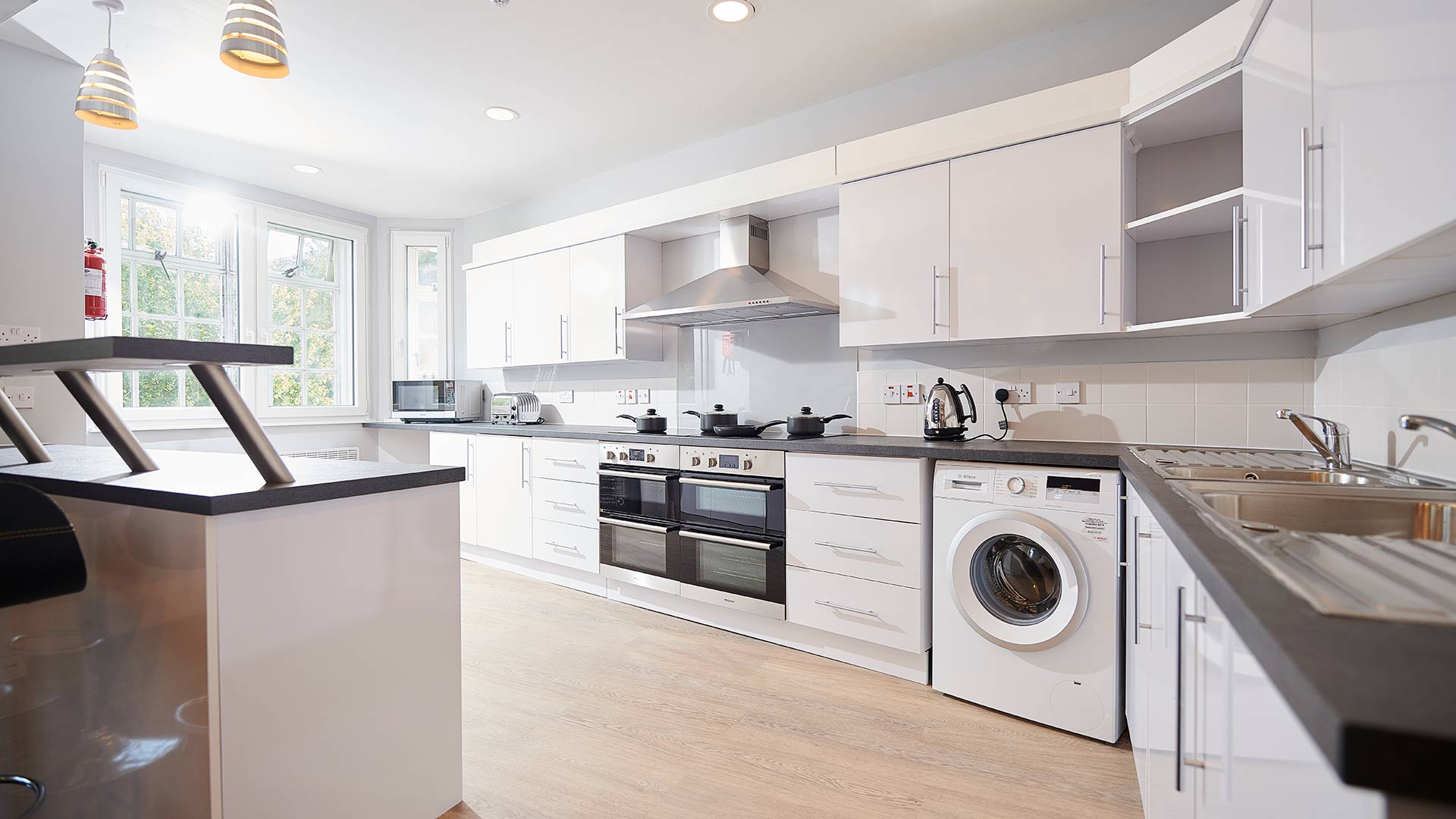
If you live in halls of residence, your kitchen is equipped with a Stop the Block! bowl to help you dispose of these materials correctly.
How to use your Stop the Block! bowl
- Pour cooking oils, fats and grease into the bowl while still warm.
- Allow the contents to cool and solidify.
- Use the scraper provided to transfer the contents into your food waste caddy.
- Scrape any remaining food waste into your food waste caddy before washing up.
Never pour cooking oils, fats or grease directly down sinks or drains.
Think before you flush
To help prevent toilet blockages, only flush the three Ps:
- Pee
- Poo
- Paper (toilet paper)
Items such as wipes, cotton buds, sanitary products and paper towels should always be placed in the appropriate waste bins.
Small actions make a big difference
You can help prevent blockages by:
- Using your food waste caddy
- Keeping fats, oils and grease out of sinks and drains
- Disposing of waste in the correct bins
- Recycling correctly
- Encouraging your flatmates to do the same
Together, these simple actions can help reduce blockages, avoid disruption and support a cleaner, more sustainable campus environment.