
Discover how the Greenhouse Innovation Consortium (GIC) is turning collaboration into real-world impact. Our case studies highlight the innovative solutions, partnerships, and measurable outcomes delivered through our three core areas of activity: Material Testing, Student Projects, and the Innovation Pipeline. Together, these sectors create opportunities to test new ideas, develop future talent, and accelerate innovation across the greenhouse industry and beyond.
Student Impact

Exploring plant stress in commercial tomato production
As part of her BSc (Hons) Plant Science degree at Edge Hill University, Sarah Treble partnered with FlavourFresh Salads to investigate how environmental conditions within commercial greenhouse tomato crops influence plant stress. Her research showed that differences in light levels and sampling position within the crop can significantly affect measurements of plant health, highlighting the need for consistent crop monitoring methods. The project demonstrates how undergraduate research can generate practical insights with real value for the protected horticulture industry.
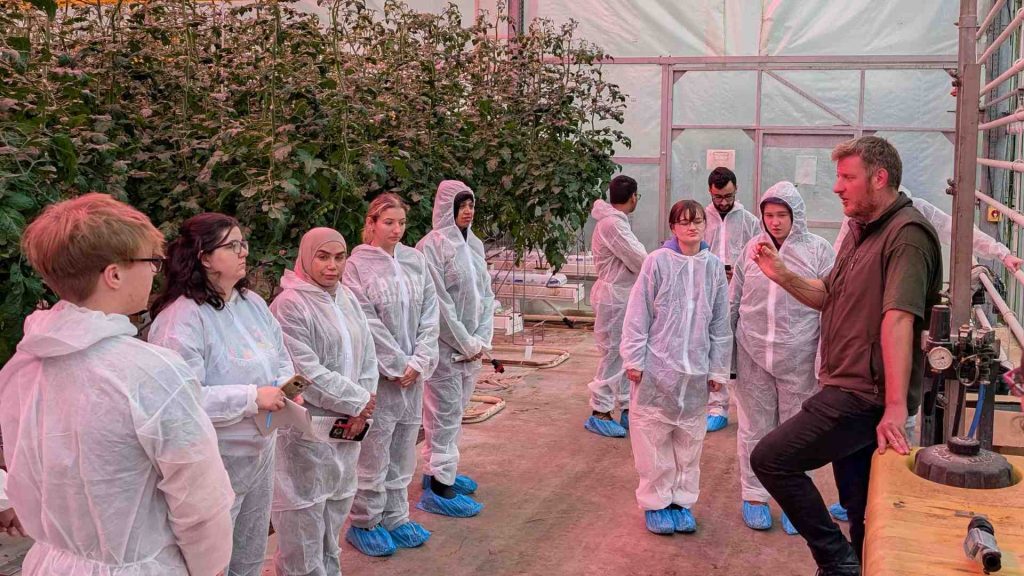
Inspiring the next generation of horticultural innovators
Developing future talent is a core priority of the Greenhouse Innovation Consortium (GIC). Through partnerships between industry and academia, the GIC provides students with hands-on learning opportunities, including visits to commercial glasshouses, research facilities and plant science laboratories. Working with learners from colleges, undergraduate and postgraduate programmes, the Consortium helps bridge the gap between education and industry, equipping the next generation of horticultural professionals with the skills and experience needed to support a more sustainable and resilient food production sector.
Material Testing Impact
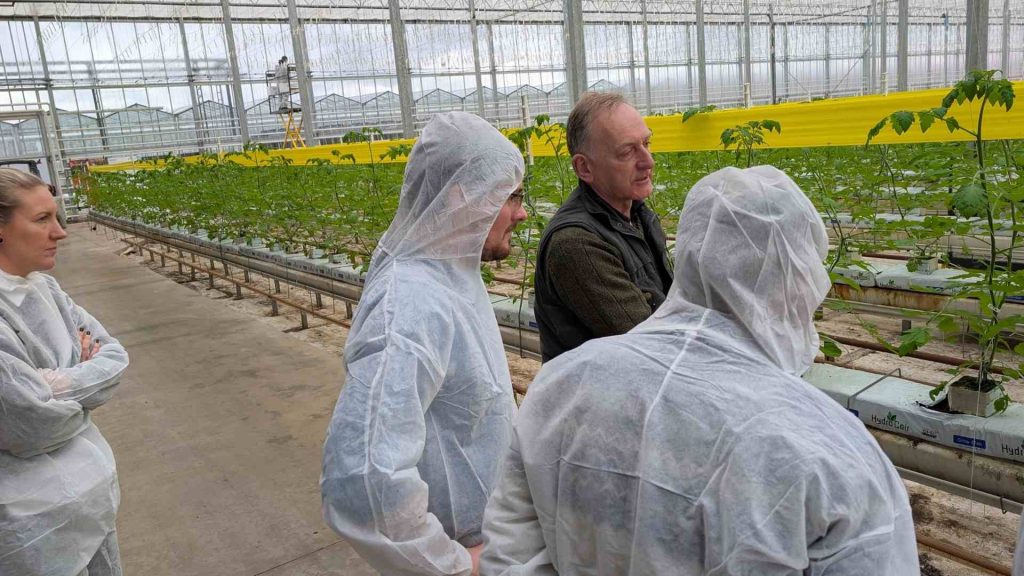
Grower-led biostimulant trials in UK Glasshouses
The Greenhouse Innovation Consortium (GIC) is supporting an Innovate UK–funded project to evaluate biostimulants under real commercial glasshouse conditions. Led by Flavourfresh in partnership with Edge Hill University, Abbey View Produce and Concert Bio, the trials are assessing how biostimulants perform across tomato, cucumber and pepper crops within existing commercial growing systems. By generating robust, grower-led evidence, the project aims to provide the protected horticulture sector with practical insights into improving crop resilience, productivity and sustainable production.
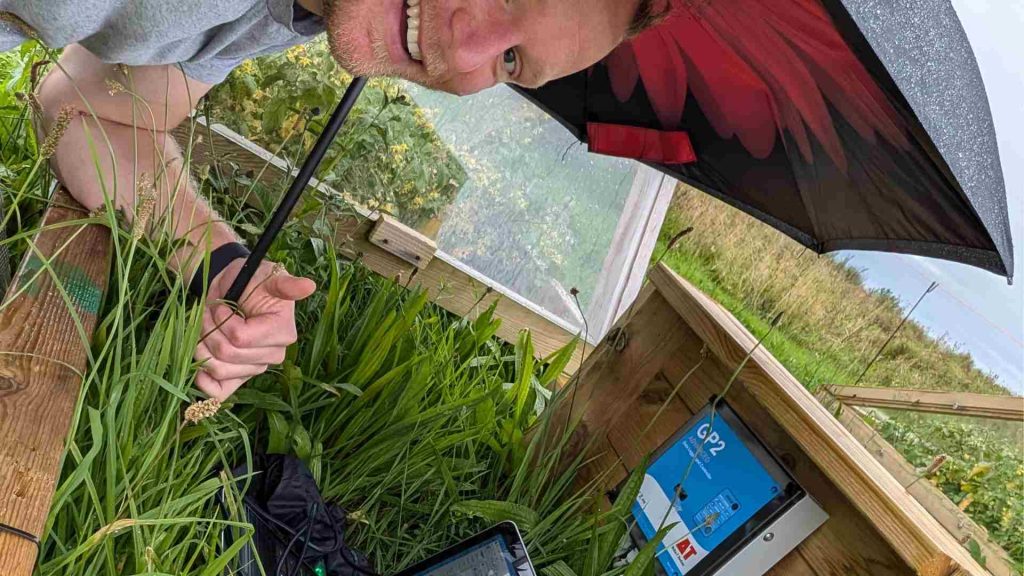
Accelerating greenhouse innovation through mini-greenhouse testing
The Greenhouse Innovation Consortium (GIC) and Edge Hill University have developed a mini-greenhouse research platform that enables rapid, cost-effective testing of new greenhouse technologies before commercial deployment. Working with industry partners including Pilkington, Renolit and Albotherm, the facility evaluates innovative glazing materials, films and coatings under realistic growing conditions. By reducing the cost and risk of early-stage trials, the platform helps accelerate product development, support industry collaboration and bring sustainable greenhouse innovations to market faster.
Innovation pipeline impact

Supporting innovation across the horticulture sector
The Greenhouse Innovation Consortium (GIC) supports innovation well beyond greenhouse vegetables, helping growers, researchers and businesses develop practical solutions across the wider horticulture sector. A recent example is the Innovate UK ADOPT-funded SAFECORM project, which is tackling fungal diseases in saffron production through collaborative research and technology development. By connecting partners, sharing expertise and facilitating grower-led innovation, the GIC helps turn ideas into practical solutions that improve plant health, sustainability and resilience across diverse cropping systems.
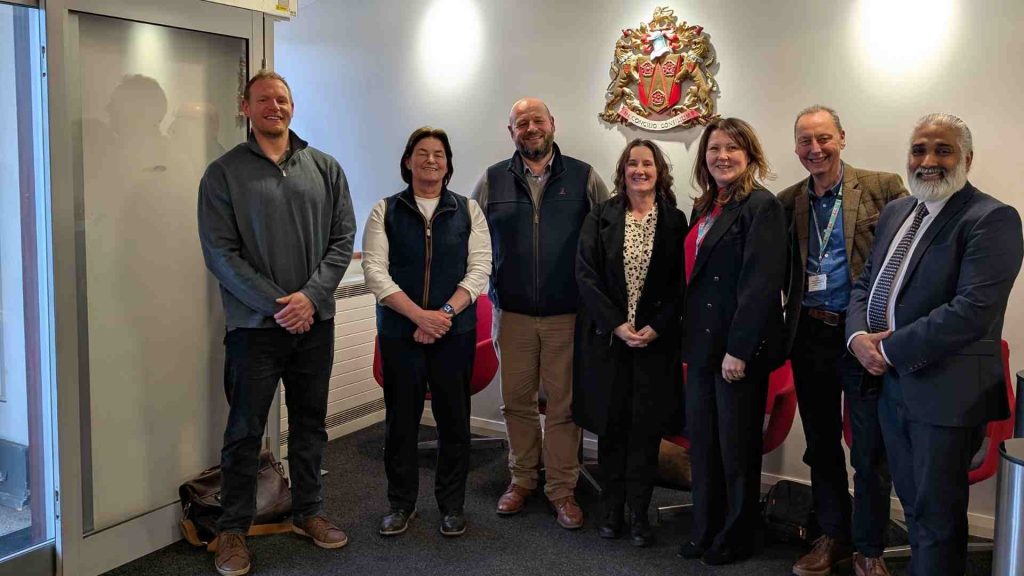
Delivering Lancashire’s growth ambitions
The Greenhouse Innovation Consortium (GIC) is supporting Lancashire’s ambitions for innovation-led growth by bringing together businesses, researchers and policymakers to strengthen food security and sustainable agriculture. Through projects mapping the county’s food producers and contributing to the Can Lancashire Feed Itself? report, the GIC is helping build the evidence base needed to inform regional policy, encourage collaboration and support long-term investment in Lancashire’s food economy.
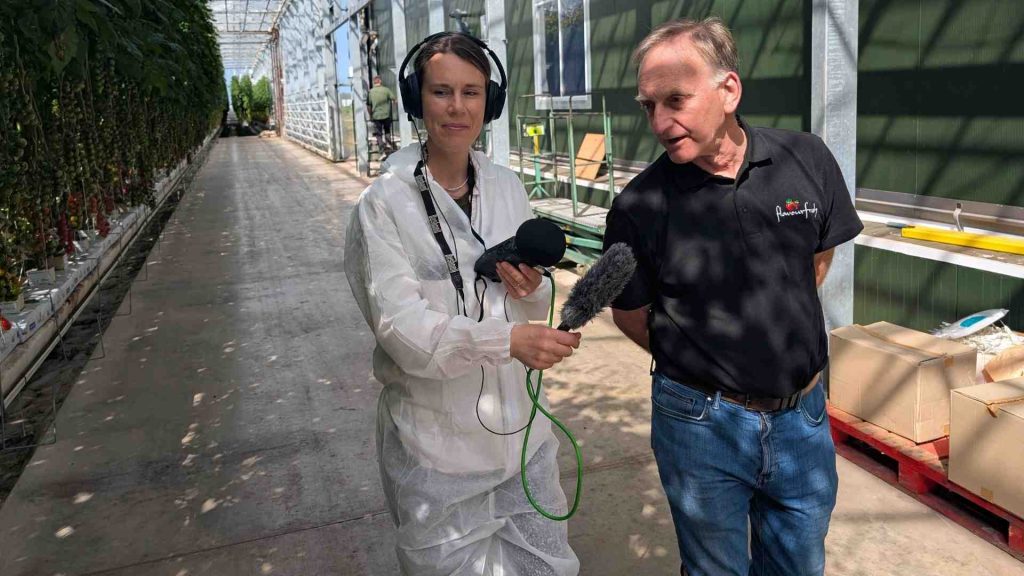
GIC Chair Featured on BBC Radio 4
Dr Sven Batke, Chair of the Greenhouse Innovation Consortium (GIC), joined BBC Radio 4’s The Food Programme to discuss the future of UK fruit and vegetable production. Alongside government, industry and farming leaders, he highlighted the vital role of protected horticulture in strengthening food security, improving sustainability and supporting resilient UK supply chains. The feature reflects the growing national recognition of innovation and collaboration in shaping the future of British agriculture, including our partner FlavourFresh.