Secondary Science (Biology) with QTS (11-16) PGCE
GOV.UK code: C1X1
From single cell structures to human DNA, biology explains the world around us. Discover how to make the subject engaging and develop pupil’s scientific minds. Graduate from our PGCE Secondary Science (Biology) with a recommendation for Qualified Teacher Status.
As a UK student on this course, you may be eligible for a bursary or scholarship. Postgraduate bursaries are tax-free payments you receive if you’re training to teach certain subjects. You do not need to apply for a bursary, you’ll automatically get one if you’re eligible.
Closed to applications for 2026 entry.
Overview
| Course length: | 1 year full-time |
|---|---|
| Start dates: | September 2027 |
| Location: | Edge Hill University |
| Example offers: | 2:2 or above (or equivalent) in a relevant subject View full entry criteria |
| Subject(s): | Education and Teaching |
| Faculty: | Education |
| Department: | Secondary and Further Education |

Remember the first time you looked at cells under the microscope? Or how you unravelled the process of photosynthesis? Bring that enthusiasm into your own classroom as a secondary school biology teacher.
During our PGCE Secondary Science (Biology), you’ll study the latest teaching theory and how to apply this in practice. Find out how to spark your pupils’ curiosity about the world around them while building their practical and analytical skills.
You’ll develop in-depth subject knowledge in your specialism of biology. We’ll also make sure you’re prepared to support with teaching chemistry and physics, especially at key stage 3. Throughout the course, we’ll encourage you to reflect on your learning to help you become the best biology teacher you can be.
Boost your skills in lesson planning, managing the classroom, teaching methods, and more. Then put what you’ve learnt into practice in a real classroom. During your school placements, you’ll plan, teach and assess biology lessons with support from your school-based mentor.
We’ll be there for you every step of the way as you work towards taking the lead in the classroom. Turn to your Personal Tutor whenever you need advice or help overcoming hurdles.
Successful completion of the programme leads to a recommendation for Qualified Teacher Status (QTS).
For academic year 2026-2027, if you have qualified teacher status (QTS), you’ll get a minimum starting salary of £34,069 as a primary or secondary school teacher in England, rising to a top figure of £52,835 for more experienced teachers. Both figures are higher in London and fringe areas.
 Ofsted Outstanding Provider
Course features
-
Ofsted outstanding provider for Initial Teacher Education
-
Professional accreditation
-
Professional practice placements
-
International students can apply

What you'll study
During this PGCE, you’ll work towards becoming a biology specialist who can deliver all three sciences at Key Stage 3 and 4. You’ll cover essential educational theory while developing your specialist subject knowledge.
Strengthen your understanding of innovative teaching and assessment methods including experiments and investigative work, group discussions, role play, project work, presentations and examinations. We’ll also unpack health and safety requirements and strategies for maintaining a high quality laboratory – so you can show pupils how to complete practical experiments safely.
We’ll prepare you for a future in teaching secondary biology. Learn how to plan lessons in line with the curriculum. Master teaching techniques to give pupils the knowledge they need. Become confident running practical experiments safely.
Apply everything you’ve learnt to a placement in a secondary school setting. Here you’ll be able to get hands-on experience by supporting and observing teachers. With help from your subject tutor and school-based mentor, you’ll combine what you learn on campus with practical teaching experiences.
How you'll study
A combination of academic study, group discussion and reflection, and practical, work-based learning in the classroom will give you all the knowledge and skills you need to become a creative and innovative teacher. The programme aims to develop a reflective and a critically analytical approach to education.
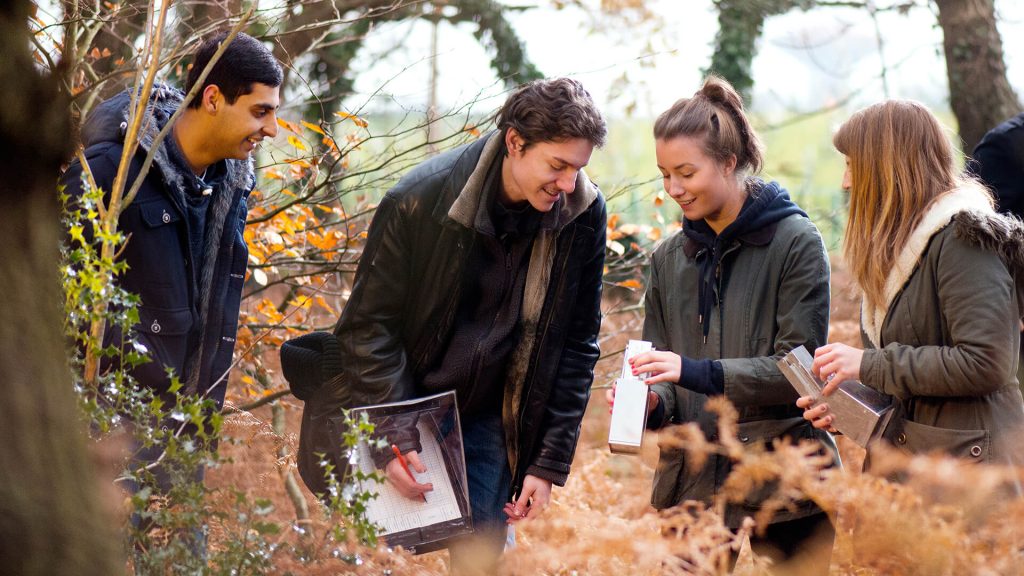
You will also develop your subject knowledge by participating in numerous activities, which have in the past included visits to places of scientific and fieldwork interest, guest speakers and GET SET Challenge days in the North West.
School Placements
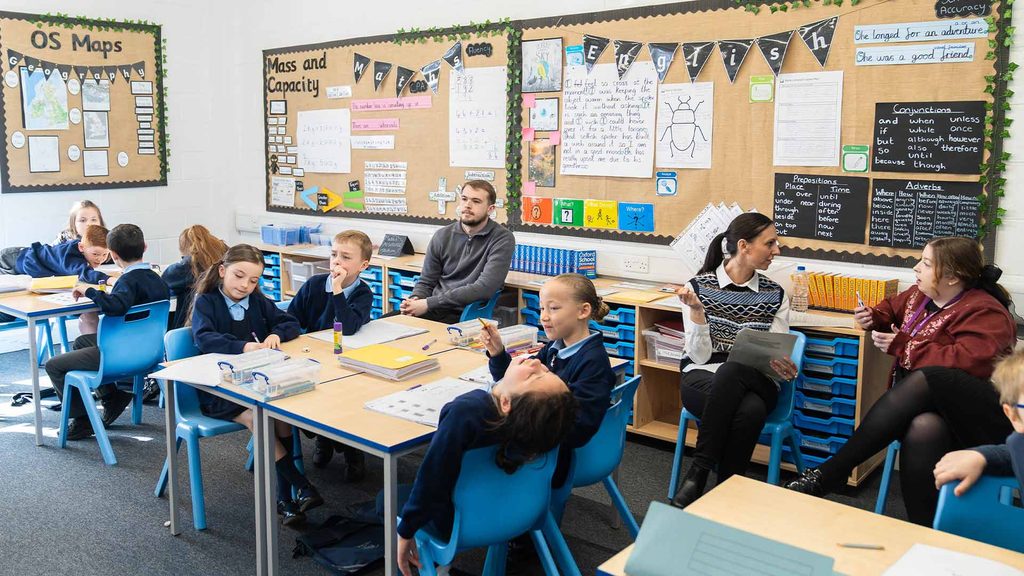
You will undertake extensive placements in schools, putting your training into practice through assisting in and taking responsibility for classes, and working alongside mentors and peers to further your professional development. The focus initially is on observation and supporting teaching and learning. Your teaching timetable will increase as your training progresses and you become more confident and competent in the classroom.
You will also develop your subject knowledge by participating in numerous activities, which have in the past included visits to places of scientific and fieldwork interest, guest speakers and GET SET Challenge days in the North West.
You will also engage in Intensive Training and Practice (ITAP)—a distinctive feature of our curriculum. These focused, high-impact sessions allow you to rehearse key elements of teaching such as behaviour management, scaffolding, questioning, and professional behaviours. ITAPs are grounded in the latest educational research and delivered by expert tutors, mentors, and partner schools.
During ITAP periods, your schedule may vary from the standard pattern, requiring you to attend sessions on campus or in school on different days. These experiences are designed to deepen your understanding and refine your teaching skills in key areas of classroom practice.
How do you decide which schools to place trainees in?
We carefully select placement schools that offer high-quality mentoring and a broad range of experiences. When allocating placements, we consider your subject specialism, prior experience, and personal circumstances, including commuting distance and accessibility. Our priority is ensuring supportive environments that enable you to thrive and make strong progress toward Qualified Teacher Status.
How much time will you spend in each school?
You will spend the majority of the PGCE year in schools, gaining experience across at least two contrasting settings. The exact pattern and duration of placements may vary each year, but you will have substantial time in classrooms to develop your teaching practice and experience a range of school contexts.
What will you do while in your placement schools?
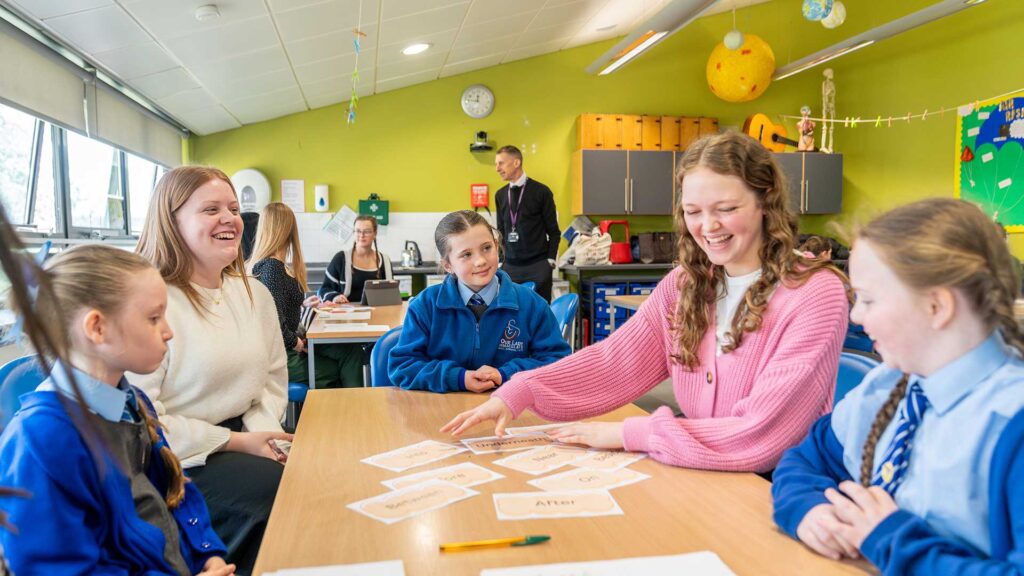
During school placements, you will gradually develop from observing experienced teachers to leading your own lessons, with increasing independence. You will plan, teach, and assess learning within your subject area, reflecting on pupil progress and your own practice, through mentor feedback and professional discussions. You will also participate in departmental and whole-school activities, attend meetings, support extracurricular opportunities, and engage with pastoral responsibilities. Observing a range of colleagues will allow you to explore different teaching styles and subject-specific pedagogies. You will be supported by a trained subject mentor who provides weekly developmental targets and tailored guidance as you follow a structured weekly curriculum, underpinned by the ITTECF and Teachers’ Standards, ensuring coherent progression in subject knowledge, curriculum planning, behaviour management, inclusion, and assessment. Throughout placement, your university tutors will provide ongoing support, and lecturers continue to deliver curriculum content, ensuring seamless alignment between university-based and school-based training, with no separation between theory and practice.
What will you do during their theoretical training?
At Edge Hill University, theoretical training underpins classroom practice. You will engage with evidence-informed modules covering curriculum design, behaviour management, inclusion, assessment, adaptive teaching, literacy, and professional conduct. Subject-specific sessions deepen disciplinary knowledge and pedagogy, ensuring you understand how pupils learn within their subject. Core modules focus on evidence-informed practice in subject areas, curriculum design, and key learning principles, alongside adolescent development, safeguarding, SEND, and diversity. Subject specialist lectures and seminars encourage critical engagement with educational research and reflection on teaching approaches. You will also participate in academic research and debate, exploring current thinking, developments, and issues within your subject area to strengthen your professional understanding. You are guided to critically evaluate theory and apply it effectively in school contexts, drawing on recent scholarship and national frameworks such as the ITTECF. The taught curriculum continues seamlessly across both campus and placement periods, ensuring sustained progression and coherence between theory and practice.
How you'll be assessed
You will be assessed, through a balanced combination of coursework and portfolio assessments, against both academic criteria and the standards related to QTS. Other tasks will enable you to show your competence in ICT, numeracy and literacy and other areas of science.
Your professional practice will conclude with a final viva that will allow you to demonstrate appropriate achievement against the Teachers’ Standards in order to allow us to make a recommendation for QTS.
Who will be teaching you
The Faculty of Education has been at the forefront of teacher education for over 135 years and today enjoys the enviable position of being one of the country’s leading providers of education, training and research for the children’s workforce.
You will be taught by a dedicated team of knowledgeable, experienced, friendly and supportive tutors who have the welfare of their trainees as a number one priority.
The Edge Hill lead mentors and mentor leadership team play an important part in your teacher training as experts in their field. They have a deep knowledge of the trainee curriculum and support trainees and mentors to make progress providing guidance and support on aspects of the curriculum and assessment.
Entry criteria
To join this PGCE, you will be expected to have:
- A degree equivalent to UK first-class or second-class honours (2:2 or above) in a relevant subject. Other subjects may be considered if you have an A Level in a relevant subject (or equivalent qualification) and a willingness to engage in a subject knowledge enhancement course, subject to availability.
- GCSE English Language or English Literature and GCSE Mathematics at Grade C or Grade 4 or above (or equivalent qualification).
- Satisfactory levels of information and communications technology competence.
- A commitment to, and understanding of, secondary education, demonstrating the personal attributes, values and motivation required to train as a teacher.
For the purposes of initial teacher training, level 2 literacy and numeracy qualifications are not considered as equivalent to GCSE Grade C or Grade 4 in English Language or English Literature and Mathematics.
An interview forms part of the selection process, which can be conducted online or face to face.
If you accept a formal offer from Edge Hill University you will be required to meet the Department for Education’s standards for physical and mental fitness to teach and clearance to work with children. Further information, including a Declaration of Health questionnaire and details of how to apply for a Disclosure and Barring Service (DBS) Enhanced Disclosure will be sent to you after you have firmly accepted an offer.
English language requirements
International students require IELTS 6.5, with a score no lower than 6.0 in each individual component, or an equivalent English language qualification.
How to apply
Apply full-time
Read our guide to applying for PGCEs and Postgraduate Teacher Training to find out more about the application process.
Closed to international applications for September 2026 entry.
Should you accept an offer of a place to study with us and formally enrol as a student, you will be subject to the provisions of the regulations, rules, codes, conditions and policies which apply to our students. These are available at www.edgehill.ac.uk/studentterms.
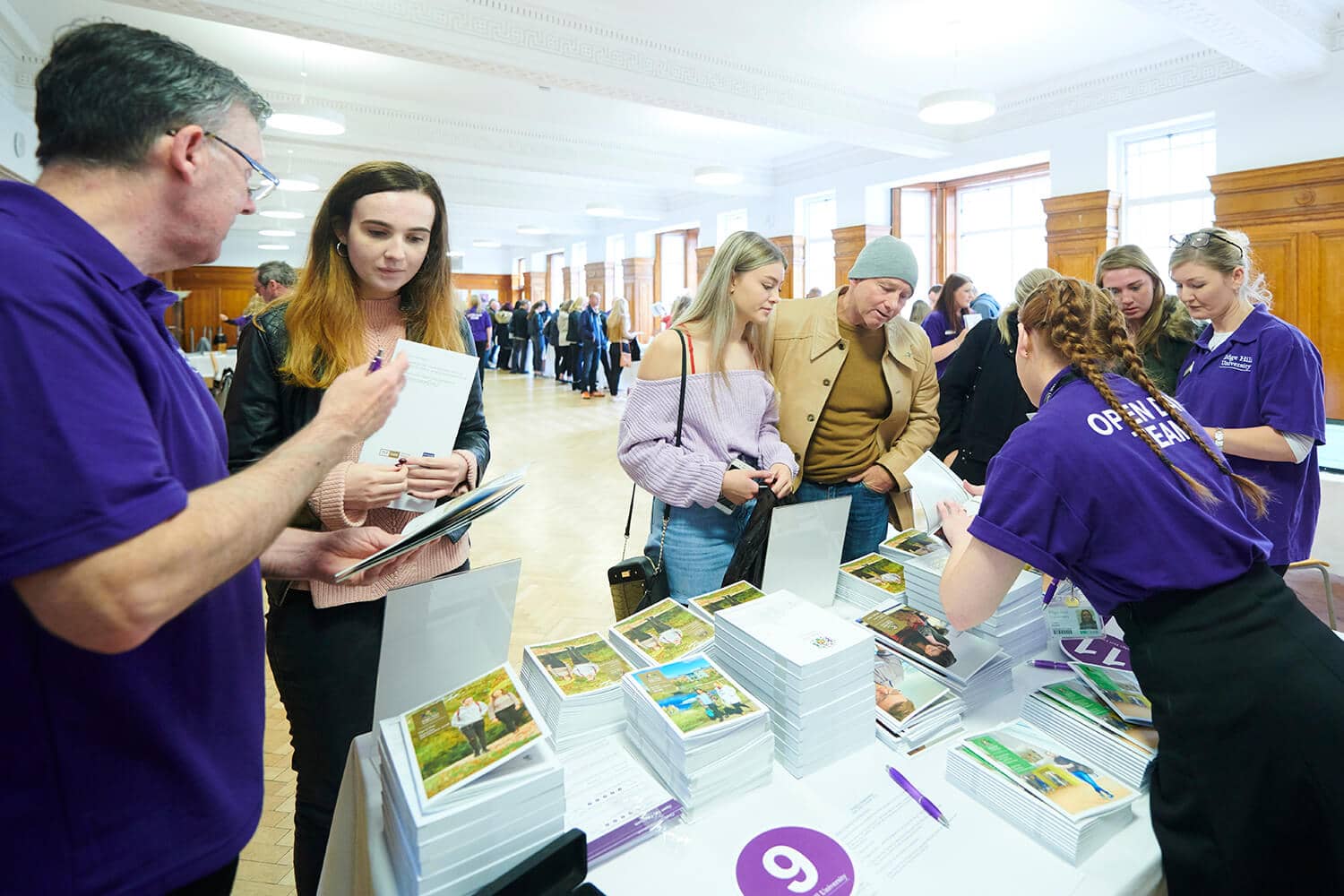
There’s plenty of opportunities to come take a look around campus. Attend one of our Open Days to see what life at Edge Hill University is all about.
Book an Open Day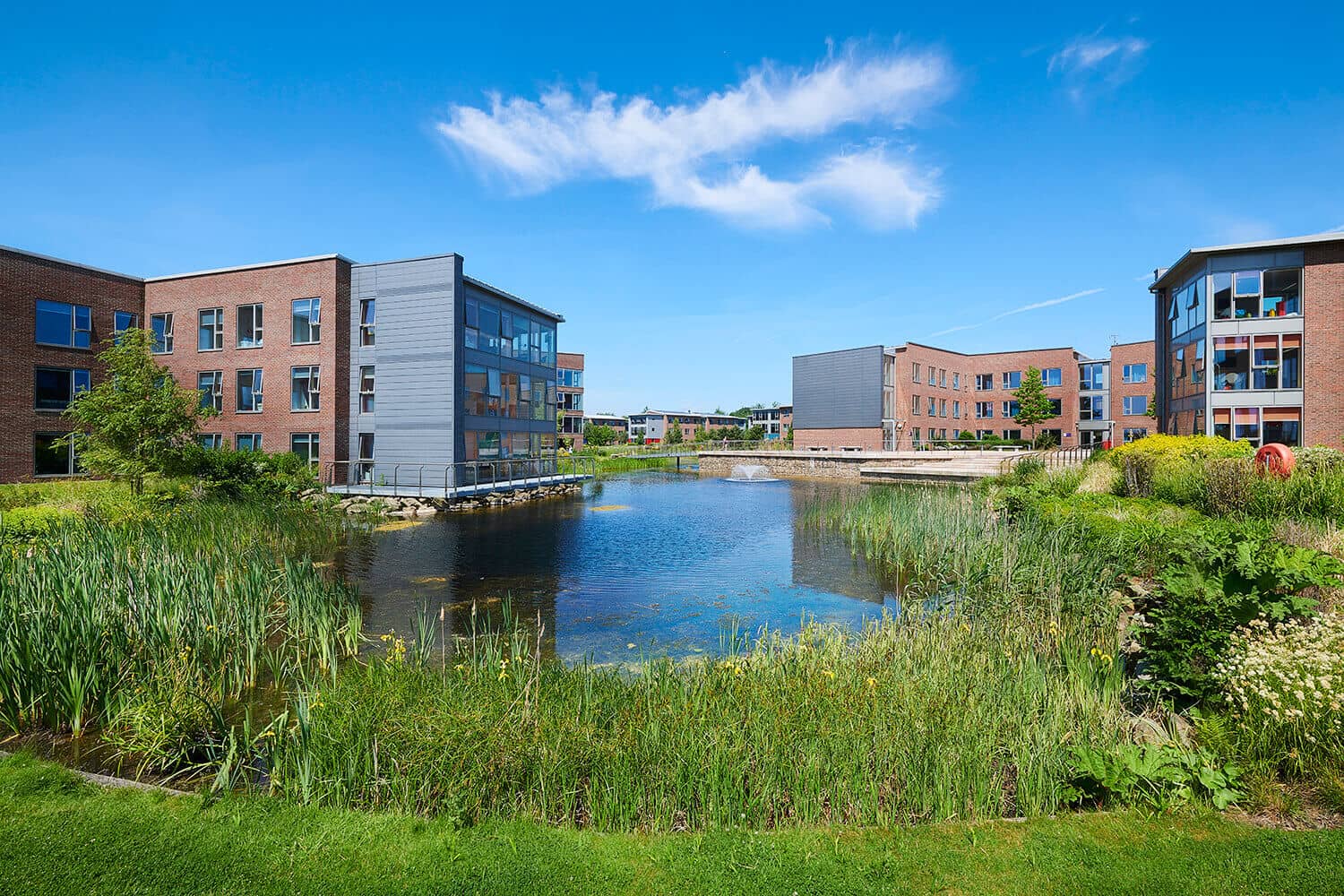
Facilities
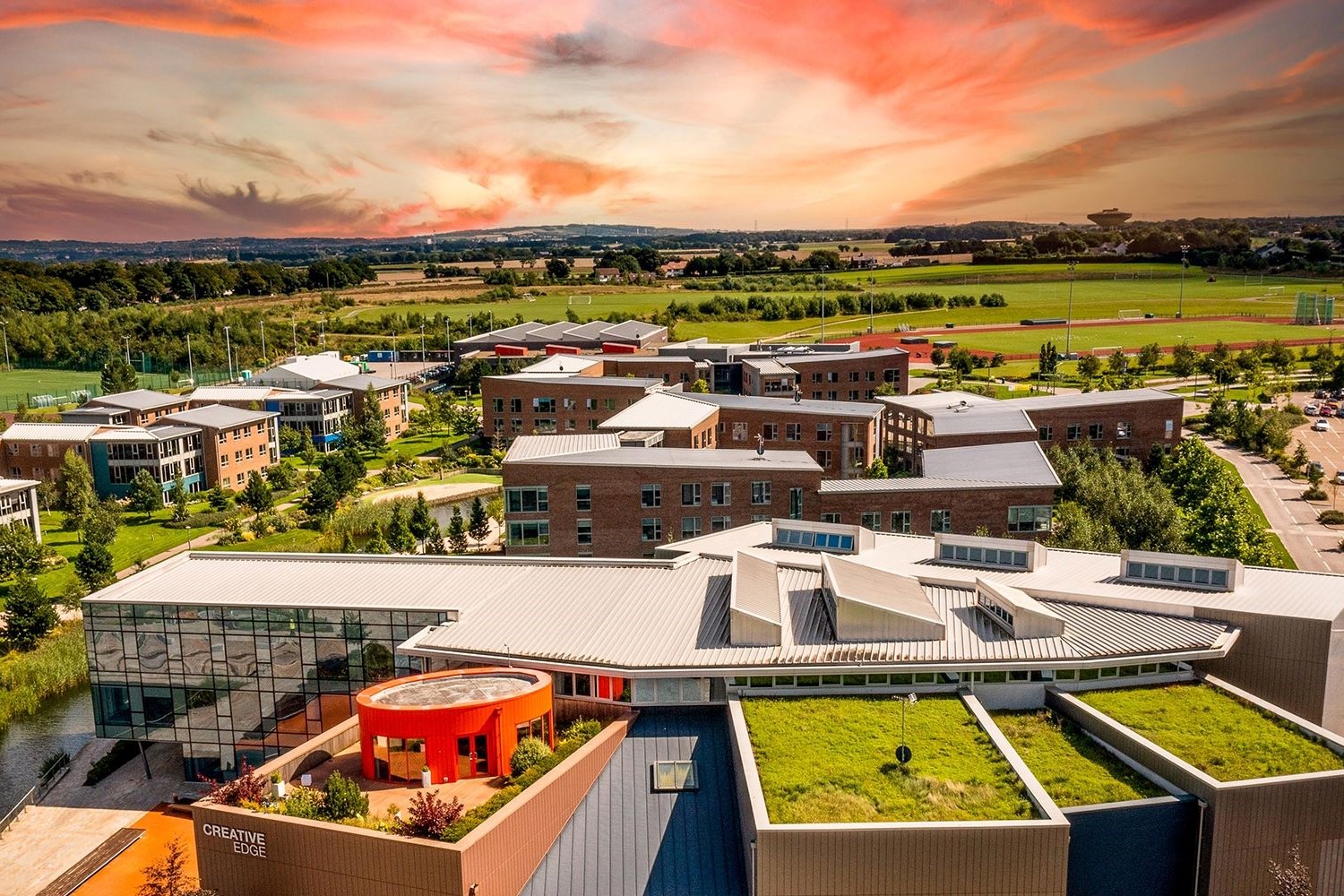
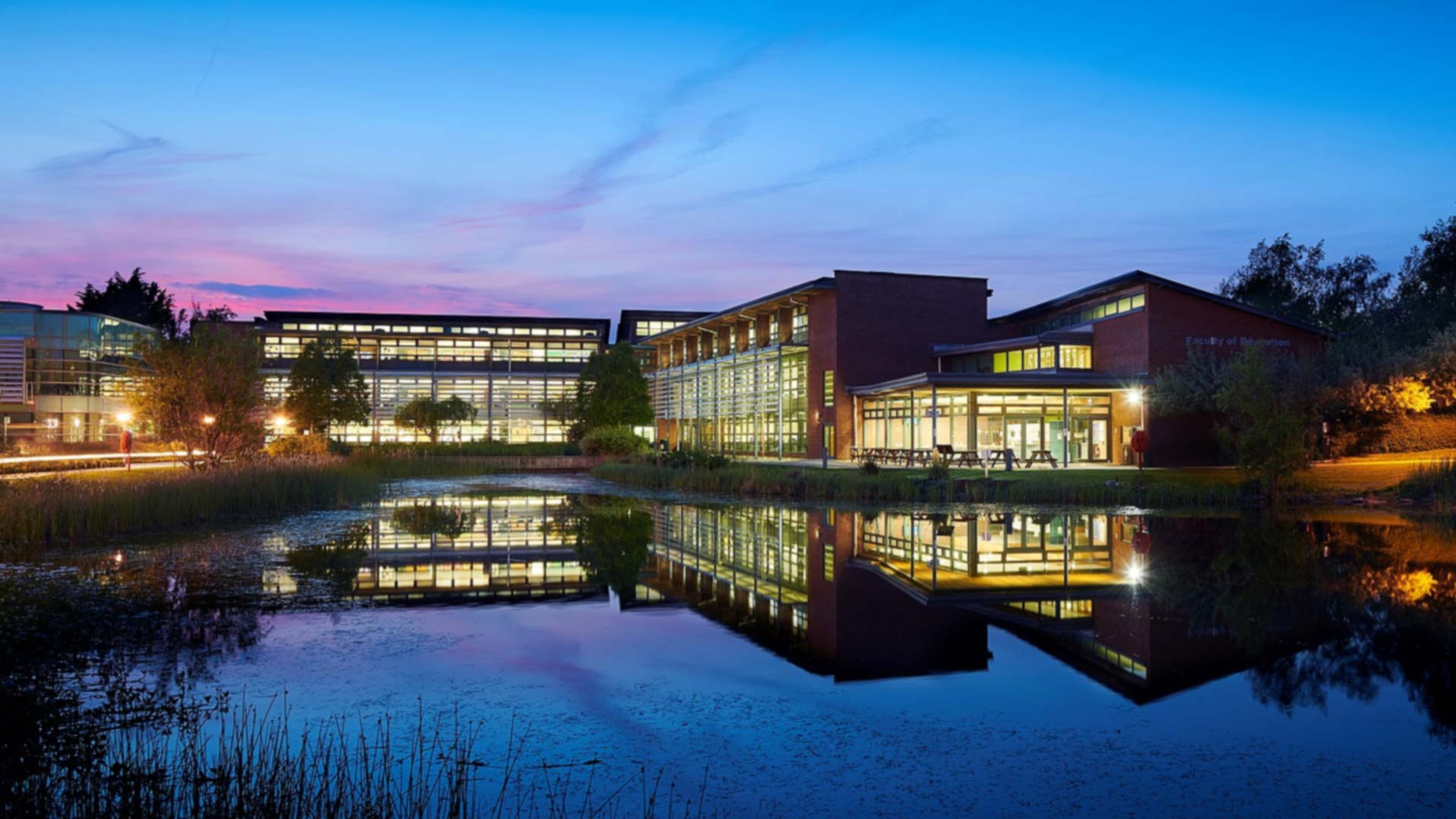 The Faculty of Education enjoys the enviable position of being one of the country’s leading providers of transformative education, training and research for the teaching and education workforce. Housed in a state-of-the-art £9m building, the Faculty of Education enjoys a stunning setting from both its lakeside and piazza buildings.
Facilities in the lakeside building include a 300-seat lecture theatre, five well-equipped ICT suites, and 18 teaching rooms complete with the latest technology.
The nearby Piazza Building is home to the Foundation Centre and School of Education, and includes a lecture theatre and several seminar rooms.
This course is also delivered in the Biosciences building where you will explore a wide range of experimental and investigative strategies and activities. The Biosciences building incorporates impressive, modern laboratories, offering exciting and highly relevant practical experience in some of the best equipped facilities in the country.
Where you'll study
Finance
Tuition fees
UK Full-Time
£9,790
for the course
International
£18,000
for the course
EU/EEA and Swiss students who have settled or pre-settled status under the EU Settlement Scheme, as well as Irish nationals, may be eligible for the UK tuition fee rate.
Financial support
Please view the PGCE fees and funding guide for comprehensive information about the financial support available to eligible UK students.
Applicants to Student Finance should apply for undergraduate funding and not a postgraduate loan. Subject to eligibility, UK students joining this course can apply for an additional Bursary from the government. Please see updated eligibility from the bursaries and scholarships page.
Scholarships
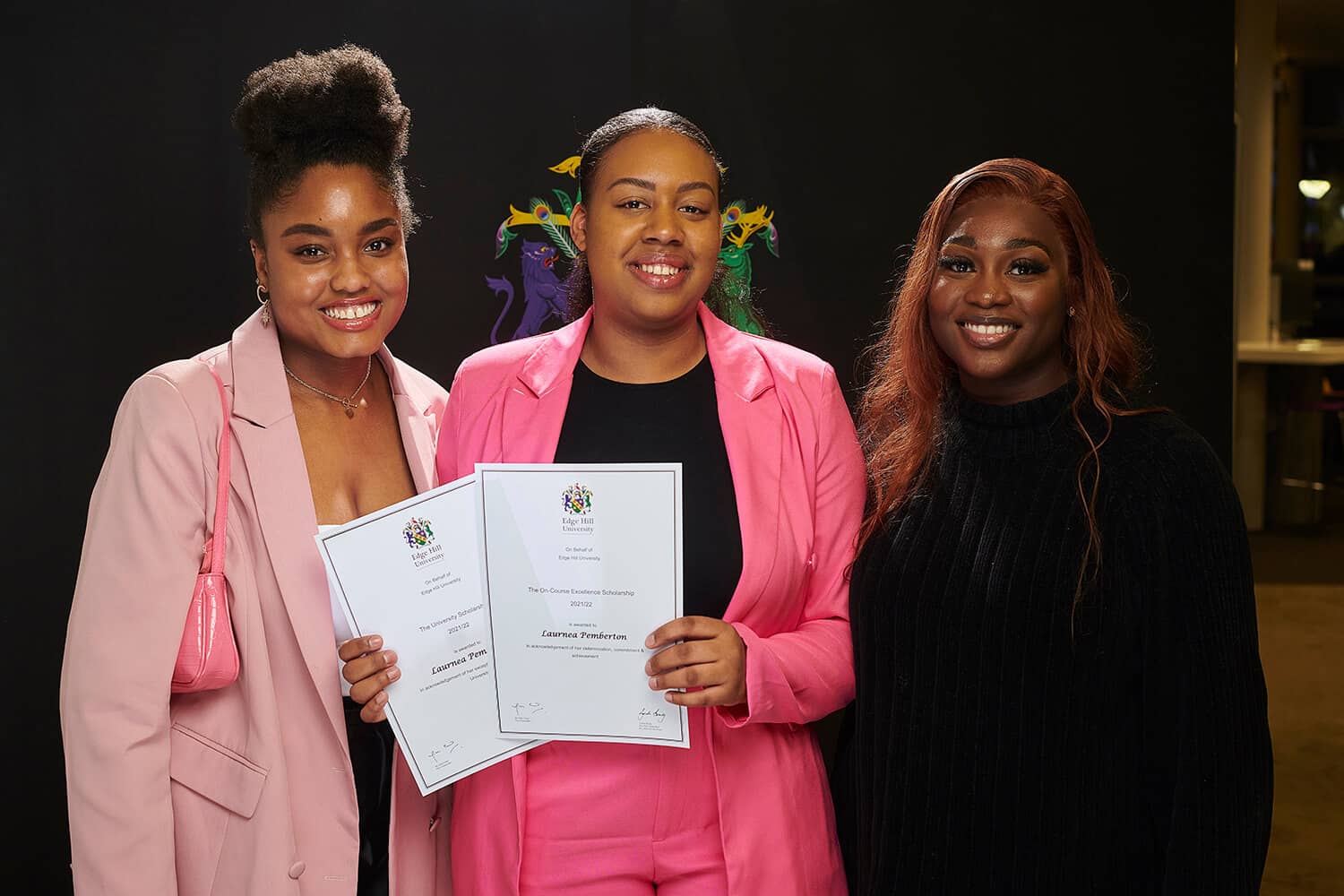
We offer a range of scholarships, which celebrate the determination, commitment and achievement of our students. Many of our scholarships are awarded automatically. There are some however, where you will need to be involved in an application or nomination process. To find out more about our scholarships and check your eligibility, please visit our dedicated scholarships pages.Money Matters
Please view the relevant Money Matters guide for comprehensive information about the financial support available to eligible UK students.EU/EEA and Swiss students who have settled or pre-settled status under the EU Settlement Scheme may be eligible to apply for financial support. Irish nationals can ordinarily apply to Student Universal Support Ireland (SUSI). If you are an EU student who does not have settled or pre-settled status, or are an international student from a non-EU country, please see our international student finance pages.
Your future career
Good biology teachers are always in demand, so your career prospects will be fantastic following graduation.
This PGCE in accredited by the Department for Education. Successful completion of the course will enable you to gain recommendation for Qualified Teacher Status (QTS). You’ll be ready to progress into employment as an early career teacher at secondary school level in science, specialising in biology.
With your academic credits and classroom-based experience you will be well-placed to progress into MA, MRes or MSc study and onto a PhD.
Course changes
Every effort has been made to ensure the accuracy of this information, however our courses are subject to ongoing review and development. Changing circumstances may necessitate alteration to, or the cancellation of, courses.
Changes may be necessary to comply with the requirements of professional bodies, revisions to subject benchmarks statements, to keep courses updated and contemporary, or as a result of student feedback. We reserve the right to make variations if we consider such action to be necessary or in the best interests of students.