About us
The Social Prescribing Interest Group (SPIG) aims to be multi-sectional and transdisciplinary (CAMHS, Social Work, nursing, medicine, police, housing, AHP’s), collaborating across organizations and disciplines to support the evidence base for SP (Social Prescribing) throughout the life course. We will develop knowledge exchange and research opportunities to raise awareness of SP and its community and wider social impact. Our innovative activities will inform future research, teaching, and learning, focusing on the implementation and integration of SP. This work will align with initiatives like I-care, MH I, HRI and CSR, and will also link with student wellbeing, including efforts to build student resilience through green spaces.
Core themes that will be developed include:
- Children & Young People, Mental Health, underserved groups and neuro diverse populations-Green social prescribing & Green and blue spaces
- Physical Activity and social prescribing interventions
We will explore innovative research such as:
- Pilot the integration of social prescribers in non-medical settings
- Evaluate SP role in HEI’s
- Opportunities for SP across the lifespan
SPIG partners

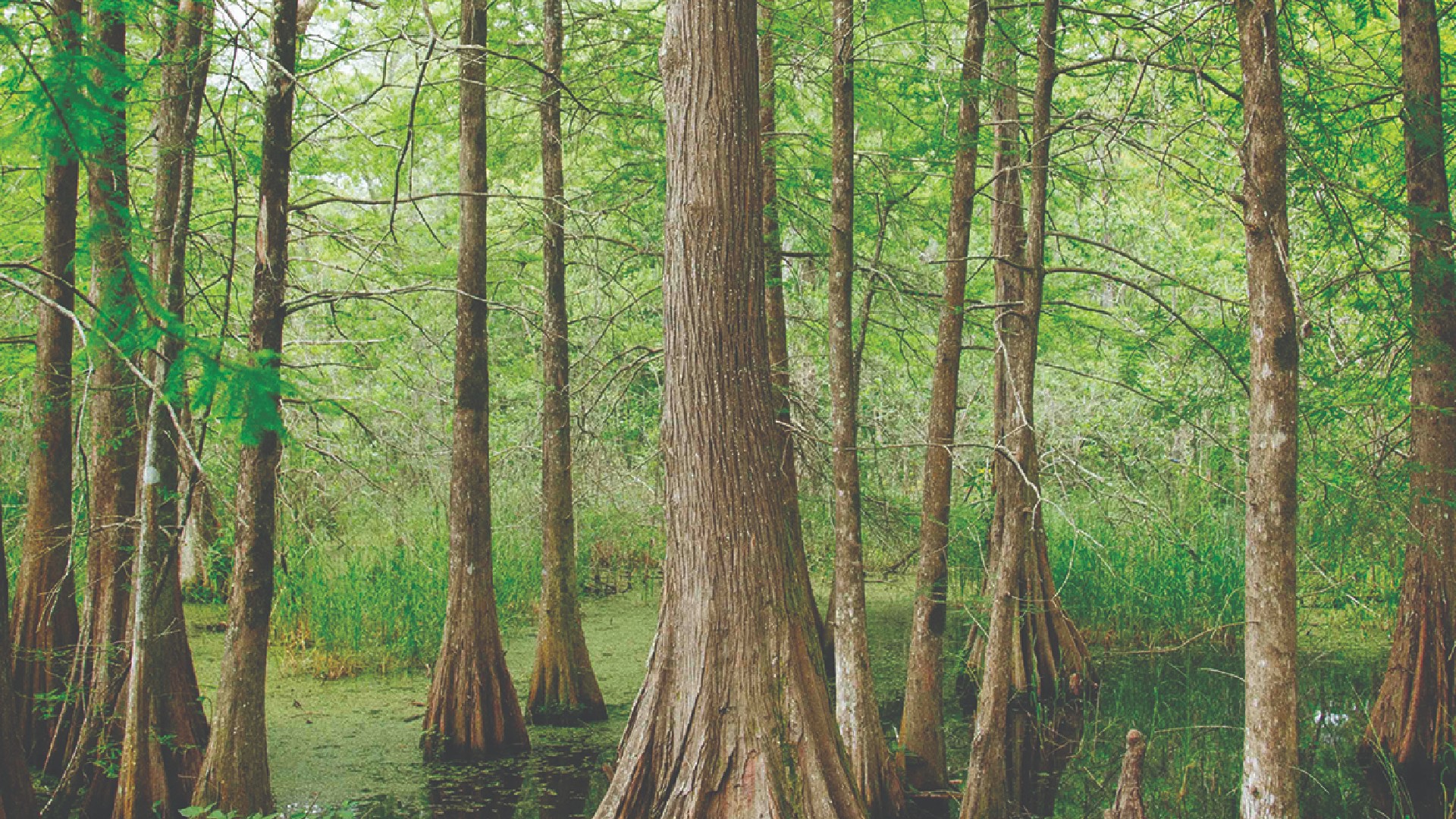
We work with a diverse network of partners which includes NHS organisations, local authorities, charities, community organisations, and academic institutions. By working together, SPIG fosters collaboration, knowledge exchange and innovation, enabling partners to share best practice, develop research and evaluation, influence policy, and create opportunities that enhance the reach and impact of social prescribing. Like the branches of a tree, each partner brings unique strengths and perspectives, while remaining connected through a shared commitment to person-centred, community-based approaches to health and wellbeing.
Activities
Growing Futures: Connecting Children and Young People with Nature
We had an amazing day at RHS Garden Bridgewater exploring how we can engage and include children and young people in nature, and the many ways nature-based activities can support wellbeing for children and families. The Growing Futures EHU/RHS event brought together people from education, the nature-based sector, communities and health to share ideas, learn from one another and explore how we can make a positive difference to the lives of children and young people.
From innovative nature-based activities to meaningful approaches to engagement and inclusion, the event showcased the opportunities for working together to create healthier, more connected communities. A huge thank you to all our fantastic presenters, volunteers, activity leaders and delegates for sharing their expertise, enthusiasm and experiences. Together, we listened, learned and created space for new ideas, demonstrating the power of collaboration across sectors.
We look forward to building on the conversations and connections made at this inspiring event.
Finding Nature, Connection and Wellbeing on a Rainy Autumn Day
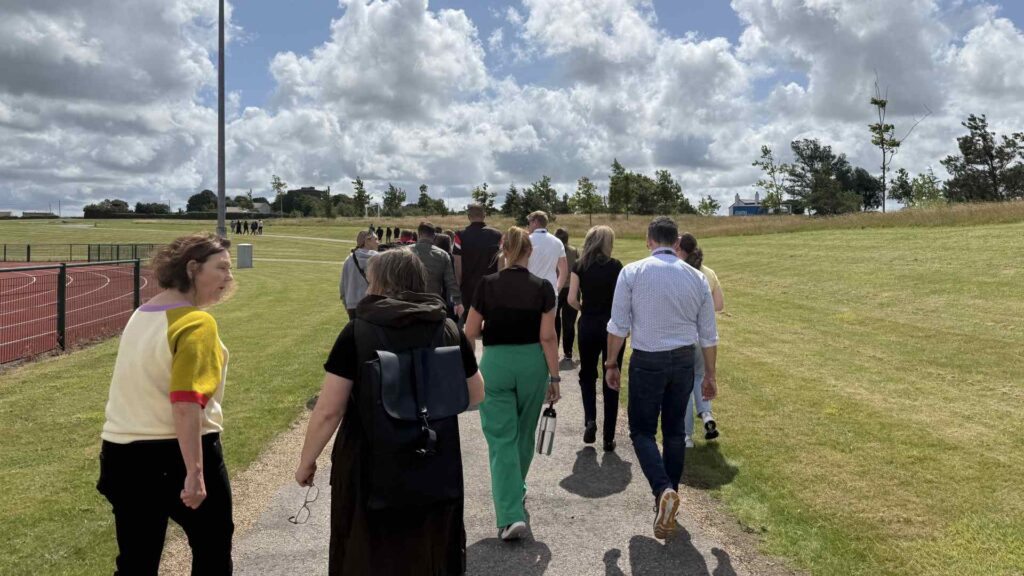
Our autumnal Dose of Nature Walk was a wonderful opportunity for staff, students, local residents, and community partners to come together, connect, and enjoy the many benefits of spending time in nature. Despite the weather forecast threatening rain (and yes, we did experience at least one drop!), more than 40 people joined us for a leisurely walk around the beautiful Edge Hill campus. The damp weather certainly didn’t dampen spirits. In fact, it seemed to add to the experience, helping us appreciate the sights, sounds, and atmosphere of nature even more.
This walk was particularly special as we were joined by members of the women’s walking group from WETA WETA Community Services CIC | Women’s Empowerment Through Art, who brought their enthusiasm, warmth, and community spirit to the event. It was fantastic to see people from different backgrounds and organisations chatting, sharing experiences, and making new connections as we walked.
Before setting off, participants had the opportunity to enjoy beautifully crafted henna tattoos. Not only did they look stunning, but they also engaged another of our senses through their wonderful aromas. Made from eucalyptus, lavender, and other natural herbs, the henna created a sensory experience that complemented the walk perfectly.
As we moved through the campus, we were encouraged to connect with nature through all five senses. The changing colours of autumn, the scent of rain and fallen leaves, the sounds of birds and rustling trees, the feel of the fresh autumn air, and even the fragrant henna all contributed to a rich wellbeing experience.
And really, what’s not to like? Walking outdoors, enjoying the smells and sounds of nature, connecting with others, taking time to notice our surroundings, and creating space to slow down and reflect. These simple moments can have a powerful impact on our wellbeing.
We rounded off the walk with a grounding session led by Safiya from the Natural
Academy Natural Academy – Learning that grows and connects which is an amazing organisation dedicated to helping people reconnect with nature to support health, wellbeing, and resilience. The session encouraged us to slow down, be present, and fully appreciate the restorative power of the natural world around us
A huge thank you to everyone who joined us. We look forward to welcoming you to our next Dose of Nature Walk and continuing to explore how connecting with nature, ourselves, and each other can support health and wellbeing.
News

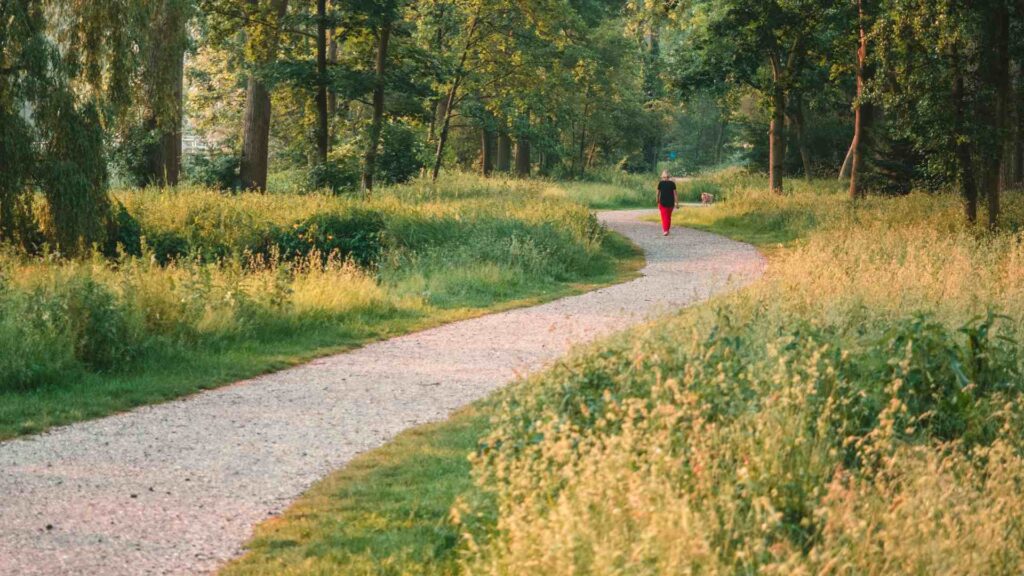
Alongside The National Academy for Social Prescribing (NASP), we have published research into how nature-based projects can support people living with mental health problems, cancer, neurological conditions and chronic pain, among other things.
Read more about this research
Team members












Our Publications
- Howarth, M., Hamer, O., Thomson, J., Allen, E., Feather, J., Carreon, P. and Kaehne, A. (2026) Cumbria LINK – Young People’s Social Prescribing Service Evaluation: Final Report. Ormskirk: Edge Hill University, Faculty of Health, Social Care and Medicine and Evaluation and Policy Analysis Unit
- Howarth, M., Feather, J., Allen, E., Kaehne, A. & Carreon, P. (2025). Linking Up: The Impact of Transformational Leadership Approaches on a Social Prescribing LINK Children and Young People Service. Health & Social Care in the Community.
- Muhl, C. et al. (2024). Building common understanding: seeking consensus and defining social prescribing across contexts. BMC Health Services Research.
- Feather, J. et al. (2024). Locating the evidence for children and young people social prescribing: Where to start? A scoping review protocol. PLoS ONE.
- Howarth, M.L., Rogers, M. & Bowers, L. (2023). Social Prescribing within an Integrated System. In Demystifying Integrated Care: A Handbook for Practice. Elsevier.
- Litt, J.S., Coll-Planas, L., Sachs, A.L., Masó Aguado, M. & Howarth, M. (2023). Current Trends and Future Directions in Urban Social Prescribing. Current Environmental Health Reports.
- Howarth, M.L. & Leigh, J.A. (2020). Social prescribing: collaboration in times of stability and crisis. British Journal of Nursing.
- Howarth, M.L., Griffiths, A., Da Silva, A. & Green, R. (2020). Social prescribing: a ‘natural’ community-based solution. British Journal of Community Nursing.
- Howarth, M.L. & Burns, E.J. (2019). Social prescribing in practice: community-centred approaches. Practice Nursing.
- Howarth, M.L. & Donovan, H. (2019). Social prescribing: the whys, wherefores and implications for nurses and prescribers. Journal of Prescribing Practice.
- Howarth, M., Relph, N. & Fletcher, K. (2026). The Role of Nature-Based Interventions in Supporting Long-Term Conditions through Green Social Prescribing: A Systematic Review. National Academy for Social Prescribing.
- Thompson, J., Howarth, M., Hardman, M. & Cook, P.A. (2023). Critically exploring public realm greenspace as a therapeutic landscape and the role of Green Social Prescribing. In Cultivated Therapeutic Landscapes. Routledge.
- Howarth, M.L., Brettle, A.J., Hardman, M. & Maden, M. (2020). What is the evidence for the impact of gardens and gardening on health and well-being? A scoping review and evidence-based logic model to guide healthcare strategy decision making on the use of gardening approaches as a social prescription. BMJ Open.
- Cole, H., Howarth, M., Caputo, S., Giedych, R., Otsuka, N., Cook, P., Gawryszewska, B., Luciano, J.V., Olszewska-Guizzo, A., Hedblom, M., Houston-Read, R., McVay, K., Neuberger, K., Sienkiewicz-Jarosz, H., Feliu-Soler, A., Hardman, M., Bragg, R., Triguero-Mas, M. & Crichigno, A. (2026). Learning from real-world conditions to advance Green Care for mental health equity in the Global North: Protocol for a transdisciplinary multi-scalar project. (Accepted/In Press).
- Howarth, M., Relph, N. & Fletcher, K. (2026). The Role of Nature-Based Interventions in Supporting Long-Term Conditions through Green Social Prescribing: A Systematic Review. National Academy for Social Prescribing.
- Howarth, M.L., Su, L., Relph, N., Foster, V. & Fletcher, K. (2025). Economic Evaluation of the Greater Manchester Nature for Health Programme. ISBN: 978-1-900230-71-1.
- Sachs, A.L., Litt, J.S., Koster, A., Howarth, M. et al. (2024). Connecting through nature: A systematic review of the effectiveness of nature-based social prescribing practices to combat loneliness.
- Howarth, M.L., Rogers, M.M., Withnell, N. & McQuarrie, C. (2018). Growing spaces: an evaluation of the mental health recovery programme using mixed methods. Journal of Research in Nursing.
- Howarth, M.L., Withnell, N., McQuarrie, C. & Smith, E. (2016). The influence of therapeutic horticulture on social integration. Journal of Public Mental Health.
Contact us
Please email Professor Michelle Howarth for more information.