Integrated Health and Social Care BSc (Hons)
UCAS code: L510
Blend theoretical knowledge with hands-on practice as you prepare for impactful roles within integrated health and social care environments. Study with a university ranked top 10 in the UK for Health Studies (Complete University Guide 2026 – Health Studies).
Overview
| Course length: | 3 years full-time 5 years part-time 3 years full-time 5 years full-time |
|---|---|
| Start dates: | September 2026 September 2027 |
| Location: | Edge Hill University |
| Example offers: | BCC-BBC (A Level) or DMM (BTEC)104-112 UCAS Tariff points View full entry criteria |
| Subject(s): | Health and Social Care |
| Faculty: | Health, Social Care and Medicine |
| Department: | Allied Health, Social Work and Wellbeing |

Develop the skills to improve health and wellbeing where it matters most, in neighbourhoods and communities. Our Integrated Health and Social Care degree blends theory with applied learning and placements so you can step into today’s integrated health and social care system, with confidence.
You’ll explore prevention, health inequalities and population health, and learn how modern neighbourhood teams work across the NHS, local authorities and the VCSE sector to support people with multiple and complex needs. Our curriculum is informed by place-based working, integrated neighbourhood teams and population health management, so what you learn maps directly onto the direction of travel for the NHS and its partners.
As well as preparing you for frontline practice, our course also opens doors to vital non-clinical careers, from care co-ordinator to population health analyst. You’ll boost your employability with practical work experience during this evidence-based programme of study.
By the time you graduate, you’ll be well-prepared to make a lasting difference to the lives of the communities you serve.
Course features
-
Sandwich year option available
-
Professional practice placements
-
International students can apply
What you'll study
Across three years you’ll build a strong foundation in sociology, psychology and public health, then move into community profiling, health promotion and prevention, mental health and older people’s health. You’ll practise using data and evidence to plan interventions, and develop leadership, innovation and project skills for integrated, place-based services.
Year 1 introduces you to theory and practice in community health and social care. You will explore a range of topics including psychological, sociological, life course and community development principles as you build analytical perspectives of health and social care. Effective communication skills, key academic and employment skills will also be developed.
Study advances in Year 2 as you are introduced to a range of public health and population approaches focused on integrated health and social care. You will learn about the specific health and social care needs of populations with mental health conditions and the needs of older people. You’ll also work on a community profile, undertake a professional practice placement, and develop approaches to health promotion. This can be in a variety of settings depending on your interests, such as local authorities, charities, NHS Trusts, GP surgeries or care homes. You will also advance your research skills to prepare you for a dissertation in Year 3.
The dissertation will be your main focus in Year 3. This will require you to undertake your own research project, significantly enhancing your understanding and analytical skills in supporting population health. You will also also critically explore practical aspects of working in health and social care, and focus on leadership, innovation and enterprise and global issues in health and social care, preparing you for graduate interviews with the most up to date information.
In your final year, you’ll have the chance to personalise your degree by choosing from a range of optional modules. These options vary from year to year and reflect the expertise of the teaching team and current topics within health and social care. They allow you to explore specialist areas that interest you most and develop knowledge relevant to your future career or further study.
How you'll study
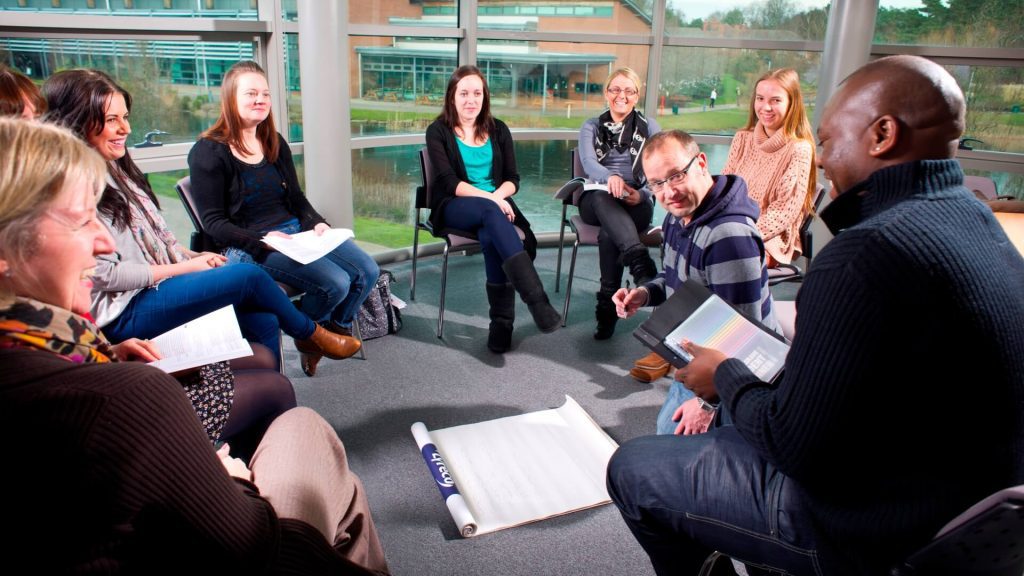
This degree will be delivered through a combination of lectures, tutorials, group seminars, real-life scenarios and practice placements.
This is a campus-based programme, the timetabled content usually takes place over a minimum of three days, or as required when on placement.
You will also be offered additional 1-1 tutorials and personal tutor support. Your learning will be supported by the Virtual Learning Environment (VLE) which contains reading lists and lecture content, along with online group forums.
How you'll be assessed
This course includes creative assessments such as portfolios and online discussion boards. You’ll also be assessed through essays, seminar presentations, practice-based assessment, community profiling, posters and a third-year dissertation on a topic of your choice. Before these assessments take place, you will be given guidance and have the opportunity for your work to be reviewed.
Who will be teaching you
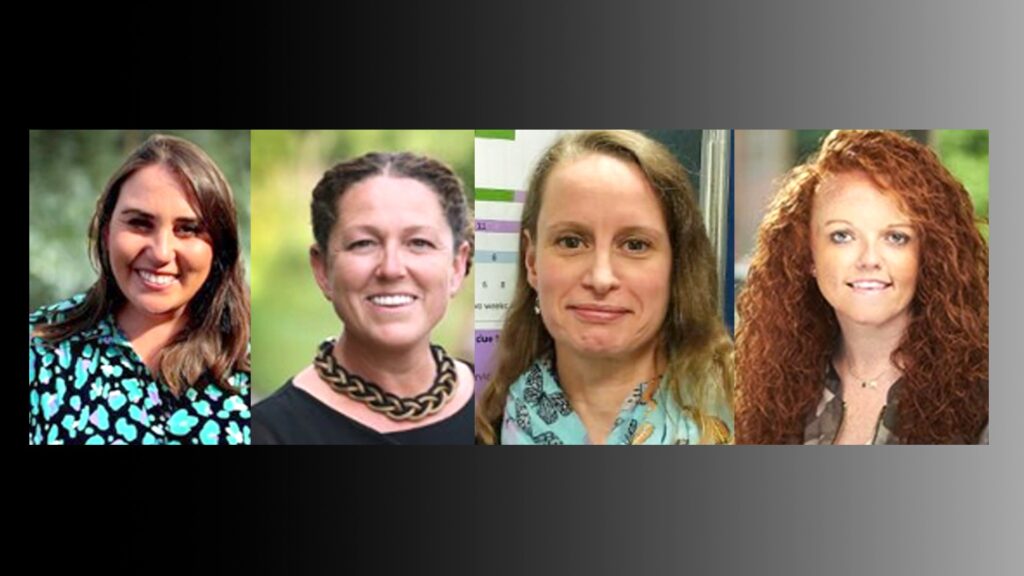
The academic team involved in the delivery of this degree are experienced and talented professionals and researchers across the fields of public health, psychology, sociology, and leadership. All academics are experienced lecturers, with most engaged in active research projects. The programme will also draw on the wider departmental staffing, which includes nurses, social workers, psychologists, accredited therapists, and counsellors, as well as arts and music-based therapists, amongst others. The team will also utilize high quality guest speakers where appropriate to support the delivery of key content. The team also liaise closely with practice partners and employers in ensuring the curriculum remains sector relevant.
Where your course includes optional modules, these are to provide an element of choice within the course curriculum. The availability of optional modules may vary from year to year and will be subject to minimum student numbers being achieved. This means that the availability of specific optional modules cannot be guaranteed. Optional module selection may also be affected by timetabling requirements. Some restrictions on optional module choice or combinations of optional modules may apply.
Entry criteria
104-112 UCAS Tariff points.
You will be required to apply for a Disclosure and Barring Service (DBS) Enhanced Disclosure indicating that you meet the mandatory criteria of ‘Clearance to Work with Children and/or Vulnerable Adults.
Example offers
| Qualification | Requirement |
|---|---|
| A Level | BCC-BBC. |
| UCAS Tariff points | 104-112 points. |
| BTEC Extended Diploma (or combination of BTEC QCF qualifications) | Distinction, Merit, Merit (DMM). |
| T Level | Overall grade of Merit. |
| International Baccalaureate (IB) | We are happy to accept IB qualifications which achieve the required number of UCAS Tariff points. |
| Access to Higher Education Diploma | 45 credits at Level 3, for example 9 credits at Distinction and 36 credits at Merit or 15 credits at Distinction and 30 credits at Merit. The required total can be attained from various credit combinations. |
Should you accept an offer of a place to study with us and formally enrol as a student, you will be subject to the provisions of the regulations, rules, codes, conditions and policies which apply to our students. These are available at www.edgehill.ac.uk/studentterms.
English language requirements
International students require IELTS 6.0, with a score no lower than 5.5 in each individual component, or an equivalent English language qualification.
Fair Entry Criteria
Our new Fair Entry Criteria is a Contextual Admissions Policy that takes an applicant’s personal and educational background into account. This policy will allow eligible applicants to receive up to a two-grade reduction in their entry requirements for this course. Find out more and see if you qualify.
How to apply
Apply full-time
Read our guide to applying through UCAS to find out more about the application process.
International
Please see our international student pages for further information about how to apply as a prospective international student.
Should you accept an offer of a place to study with us and formally enrol as a student, you will be subject to the provisions of the regulations, rules, codes, conditions and policies which apply to our students. These are available at www.edgehill.ac.uk/studentterms.
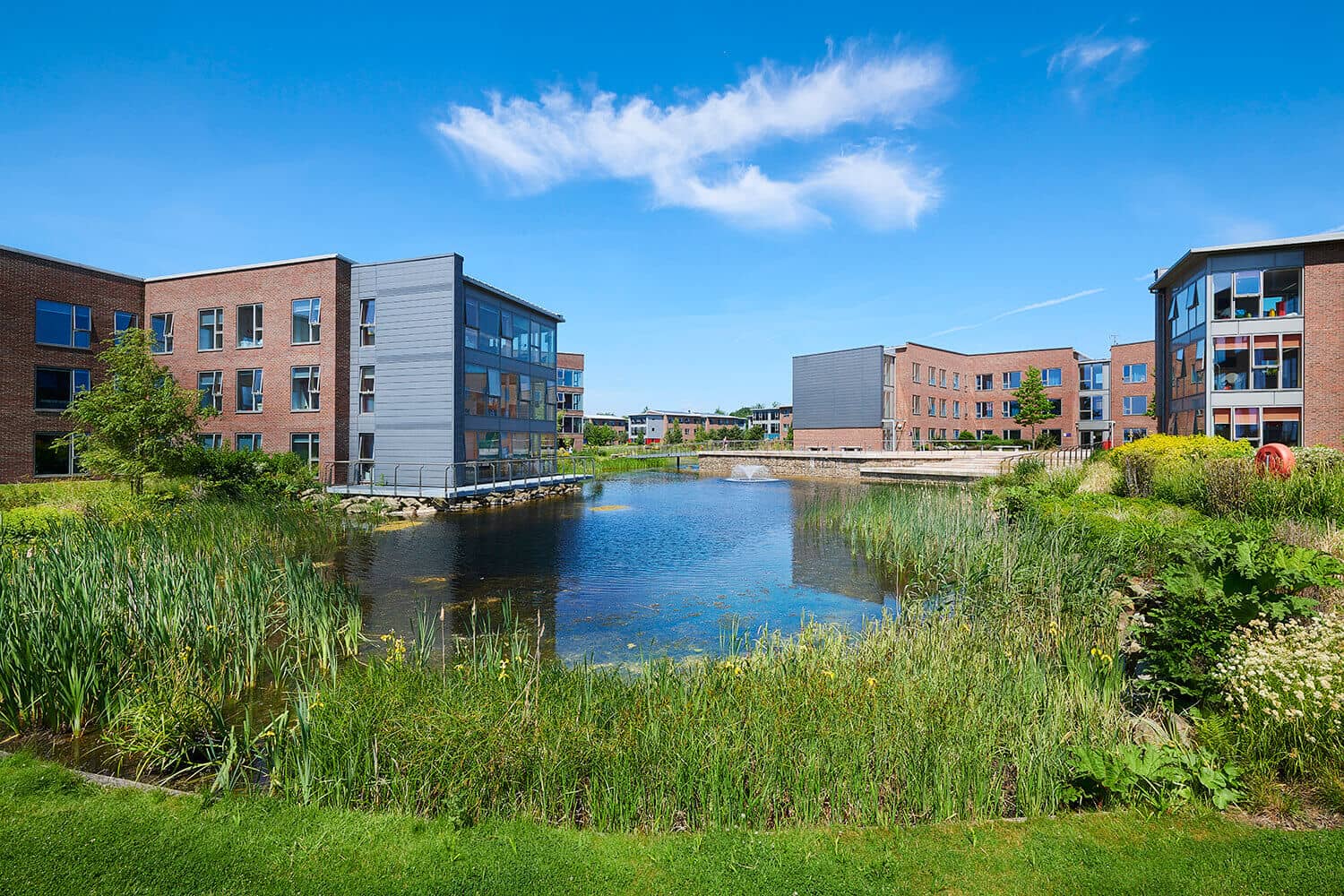
If you join a full time undergraduate degree at Edge Hill University, we will guarantee you the offer of a room in our halls of residence for the first year of your course.
Discover our accommodation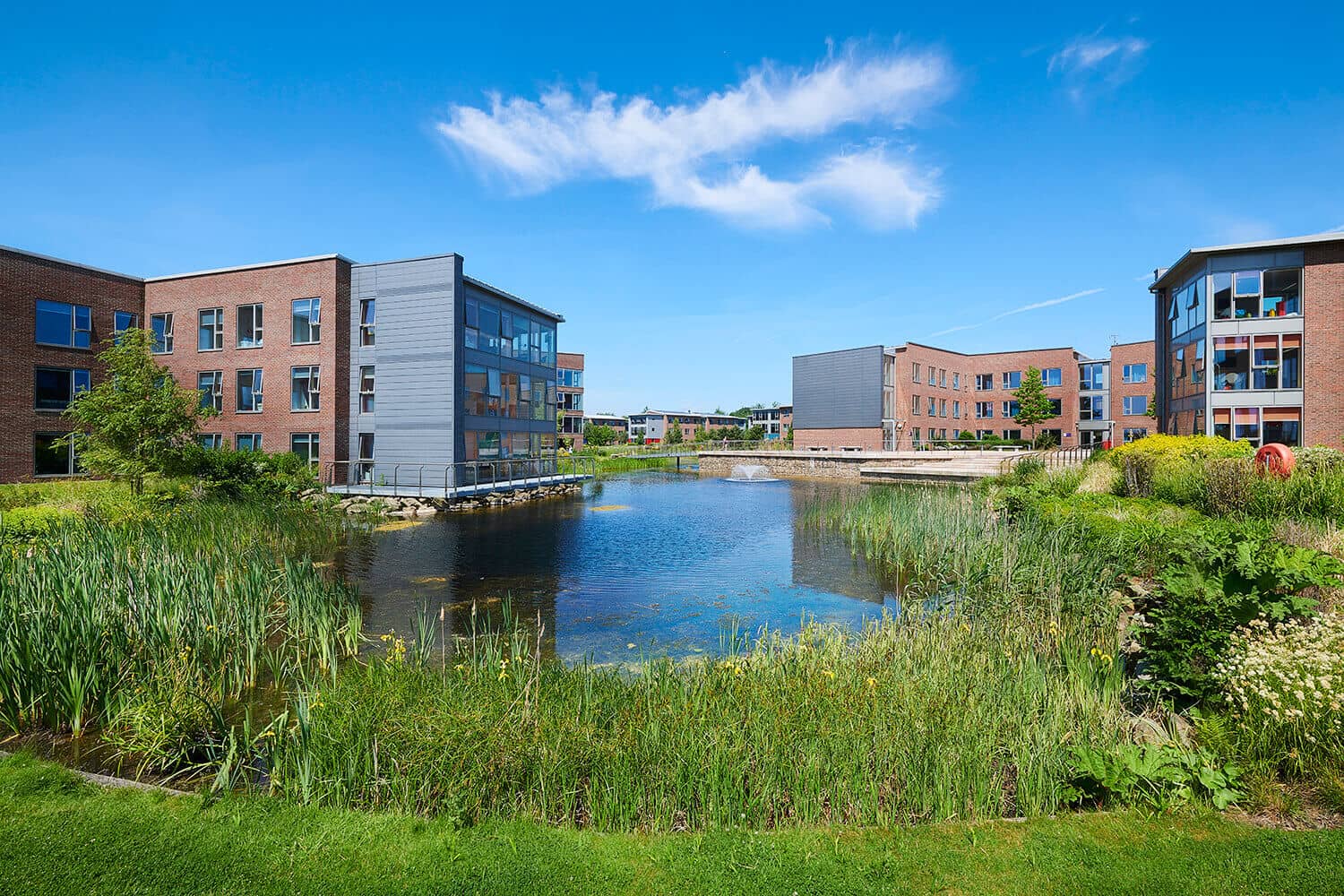
Facilities
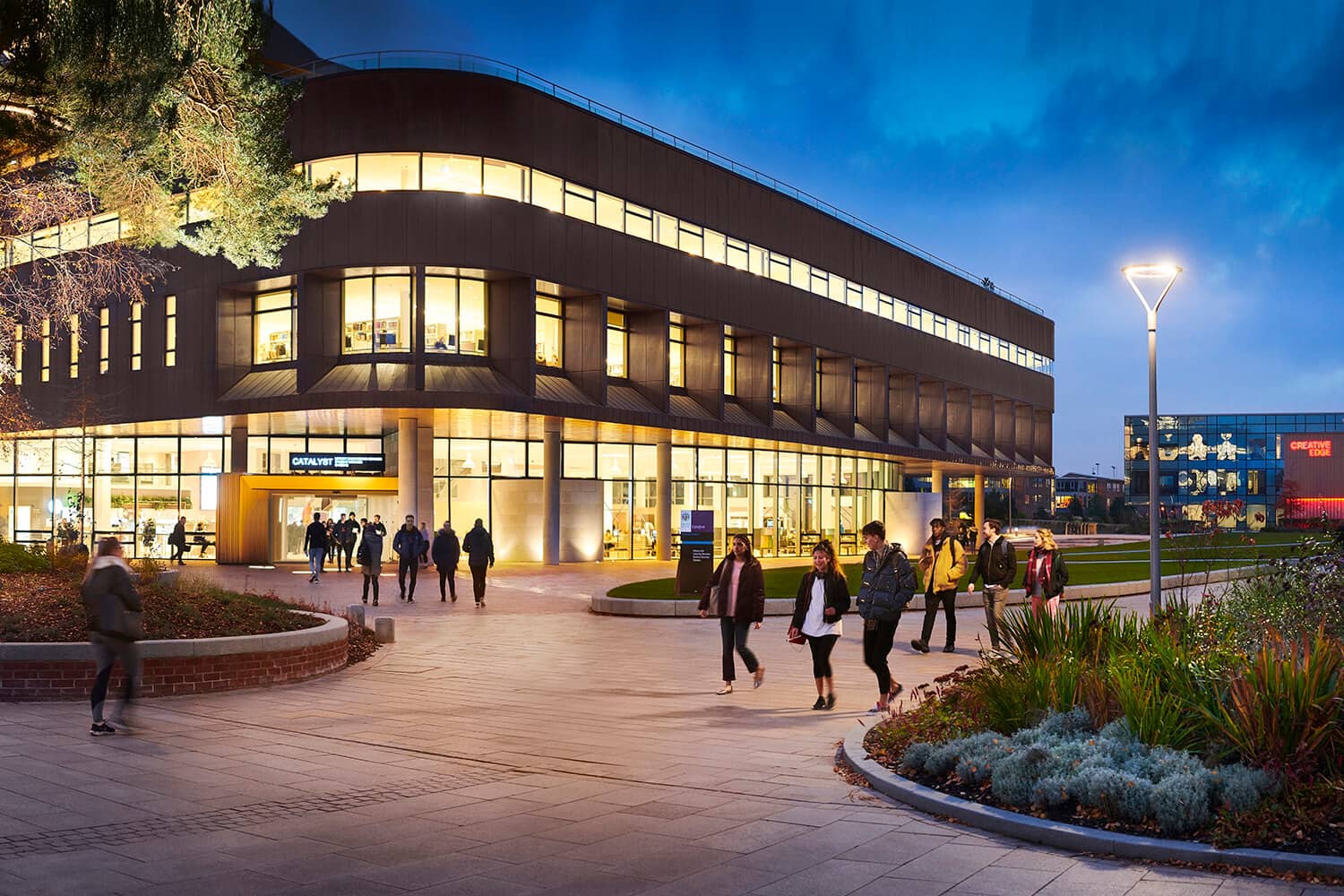
The Faculty of Health, Social Care and Medicine offers outstanding facilities for the education and training of health and social care professionals.
The contemporary teaching and learning resources include leading edge clinical skills facilities, an 860-seat lecture theatre, and a variety of teaching rooms and social learning spaces.
Where you'll study
Finance
Tuition fees
UK Full-Time
£9,790
a year
UK Part-Time
£81.50 per credit
for 360 credits
International
£14,500
a year
EU/EEA and Swiss students who have settled or pre-settled status under the EU Settlement Scheme, as well as Irish nationals, may be eligible for the UK tuition fee rate.
Financial support
Subject to eligibility, UK students joining this course can apply for a Tuition Fee Loan from the Government to cover the full cost of tuition fees. UK students enrolling on the course may also be eligible to apply for additional funding to help with living costs.
Scholarships
We offer a range of scholarships, which celebrate the determination, commitment and achievement of our students. Many of our scholarships are awarded automatically. There are some however, where you will need to be involved in an application or nomination process. To find out more about our scholarships and check your eligibility, please visit our dedicated scholarships pages.
Money Matters
Please view the relevant Money Matters guide for comprehensive information about the financial support available to eligible UK students.
EU/EEA and Swiss students who have settled or pre-settled status under the EU Settlement Scheme may be eligible to apply for financial support. Irish nationals can ordinarily apply to Student Universal Support Ireland (SUSI). If you are an EU student who does not have settled or pre-settled status, or are an international student from a non-EU country, please see our international student finance pages.
Your future career
This course is built around workforce needs for neighbourhood and place-based care. You’ll graduate with the knowledge, practical experience and data skills to make a difference across the NHS, local government and the VCSE sector. Typical non-clinical roles include:
Neighbourhood & community:
- • Community development worker
- • Social prescribing link worker
- • Care/health navigator
- • Neighbourhood engagement officer
- • VCSE project officer
Population health & data:
- • Population health analyst (non-clinical)
- • Public health project officer
- • Health inequalities officer
- • Evaluation & quality improvement officer
Data & insights officer Service integration & support:
- • Integrated care co-ordinator
- • MDT co-ordinator
- • Non-clinical case manager (long-term conditions support)
- • Service redesign/project officer
Partnership & collaboration officer Policy, strategy & commissioning:
- • Health & wellbeing policy officer
- • Commissioning support officer
- • Programme officer (Place/neighbourhood)
- • Participation & engagement officer
- • Community partnerships manager
You can also progress to further study (for example, nursing or social work training) if you decide to move into a registered profession.
Course changes
Every effort has been made to ensure the accuracy of this information, however our courses are subject to ongoing review and development. Changing circumstances may necessitate alteration to, or the cancellation of, courses.
Changes may be necessary to comply with the requirements of professional bodies, revisions to subject benchmarks statements, to keep courses updated and contemporary, or as a result of student feedback. We reserve the right to make variations if we consider such action to be necessary or in the best interests of students.