Psychology BSc (Hons)
UCAS code: C800
Untangle behaviour. Unravel mysteries of the mind. Study the science of the brain on this course and achieve a BSc (Hons) Psychology degree accredited by the British Psychological Society.
We’re 3rd in the UK overall (Uni Compare 2026 – Psychology).
Overview
| Course length: | 3 years full-time 6 years part-time |
|---|---|
| Start dates: | September 2027 |
| Location: | Edge Hill University |
| Example offers: | BBB-ABB (A Level) or DDM (BTEC)120-128 UCAS Tariff Points View full entry criteria |
| Subject(s): | Psychology |
| Faculty: | Arts and Sciences |
| Department: | Psychology |

Unlock the science of the mind. Explore how we learn, interact and communicate, and discover how psychology helps us understand behaviour and respond to modern-day challenges. Take the first step towards a future shaped by psychological insight.
Why study this course at Edge Hill University?
- Professionally accredited. Gain eligibility for the Graduate Basis for Chartered Membership (GBC) on this BPS degree, a first step towards further study, chartered psychologist status and exciting career opportunities.
- Exceptional facilities. Investigate brain activity and cognitive function in our specialist research labs and simulation spaces equipped with advanced eye-tracking, EEG and TMS technology. A dedicated child observation suite and immersive Bar Lab help you recreate real-world environments and generate authentic research insights. We’re 1st in the North West for learning resources (NSS 2026 – Psychology).
- Career-building experience. Join our vibrant community, building lasting connections through peer mentoring, networking events and practitioner talks. Develop employer-ready skills through mock assessment centres, careers fairs and professional networking, while our active alumni community helps to open doors to exciting career paths and postgraduate study.
- Understanding human thoughts and behaviour. Uncover the psychology behind mental health, drug use and memory while developing the research, critical-thinking and communication skills that employers value. Beyond the classroom, you’ll bring this learning to life through built-in placements, study abroad opportunities or an optional sandwich year.
- World-leading expertise. Learn from researchers who are actively contributing to disciplinary knowledge across the field of psychology. Gain insights shaped by the latest research and professional practice, then make your own mark through our research internship scheme.
Graduate with the insight, practical experience and career-ready skills to make your mark in psychology and build a rewarding future.
Springpod Psychology Subject Spotlight – Cyberpsychology: What online behaviour reveals about us
This teaser introduces Professor Linda Kaye’s exploration of how our thoughts, feelings and behaviours are shaped by life online. From cyberpsychology and digital footprints to emoji communication, get a snapshot of how behaviour changes in a connected world. Watch the full, four‑part series on Springpod.
 British Psychological Society - accredited
Course features
-
International students can apply
-
Professional accreditation
-
Sandwich year option available
-
Studying abroad option available
-
Work placement opportunity







What you'll study
Understanding how theory and research relates to psychology in the real world will be an important part of your first year on our BSc (Hons) Psychology degree. You’ll look at the biology of the brain and how its characteristics influence our perceptual and cognitive abilities, as well as our behaviour.
We’ll also teach you about different areas including developmental and personality psychology. To support your future, you’ll complete a module designed to boost your academic, personal, and interpersonal skills.
You’ll take a closer look at the four different areas of psychology – social, developmental, biological and cognitive. You’ll learn how psychology can be applied to occupational, clinical, educational, health and forensic settings.
Building on what you learnt in Year 1 of your degree, we’ll help you become confident in psychological research methods and data analysis. You’ll also have the chance to work alongside a member of staff on their current research project.
Design, carry out and present your own research project on a topic that reflects your interests and ambitions for your dissertation. As well as exploring personality and individual differences in human behaviour, you’ll also shape your study with optional modules in specialist areas of psychology.
To prepare you for leaving university and taking the first steps in your career, we’ll provide you with opportunities to reflect on your academic, personal and professional development.
How you'll study
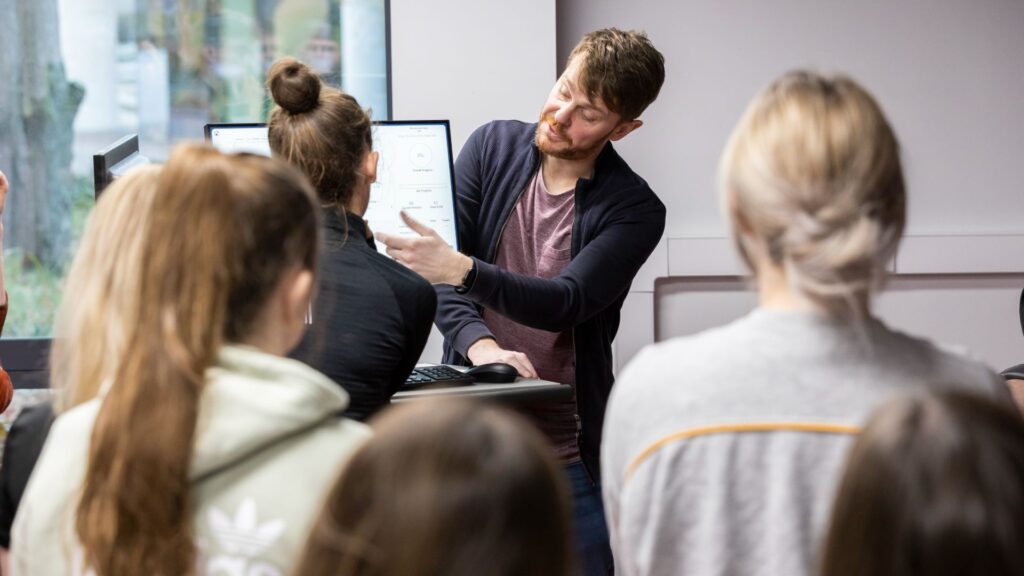
Our teaching methods vary from traditional style lectures to tutorials, seminars and workshops. There are well-equipped laboratory facilities consisting of IT rooms and research cubicles for conducting experiments. We have a wide range of IT facilities, including experiment generation and statistical packages.
Typical time commitment for scheduled sessions is approximately 2.5 days per week, with the remainder of the time dedicated for self-directed study.
How you'll be assessed
Understanding how theory and research relates to psychology in the real world will be an important part of your first year on our BSc (Hons) Psychology degree, most modules are assessed by a mixture of examination and coursework though some are assessed solely by coursework. Coursework assignments might be essays, research project reports, portfolios, group presentations, posters, or the critical analysis of research papers. In addition, in Year 3 you complete a dissertation.
Who will be teaching you
Understanding how theory and research relates to psychology in the real world will be an important part of your first year on our BSc (Hons) Psychology degree. Particularly in the areas of thinking and reasoning, educational psychology, work psychology, psychological aspects of substance abuse, health psychology, close relationships and the functioning of working memory.
Team members have been published in major national and international peer reviewed journals such as the British Journal of Psychology, Counselling Psychology Quarterly, The Quarterly Journal of Experimental Psychology and The Journal of Experimental Child Psychology.
The Department of Psychology operates a research internship scheme where you may have the opportunity to volunteer to assist with staff research across a range of exciting projects. Previous projects have focused on subjects including eye movements and memory, alcohol and inhibition, autistic traits, attentional bias to pictures and words, personality and offending behaviour, behaviour change and food awareness, multiple perspective taking, the neural underpinnings of action simulation, and the question of whether emojis reveal true emotions.
Where your course includes optional modules, these are to provide an element of choice within the course curriculum. The availability of optional modules may vary from year to year and will be subject to minimum student numbers being achieved. This means that the availability of specific optional modules cannot be guaranteed. Optional module selection may also be affected by timetabling requirements. Some restrictions on optional module choice or combinations of optional modules may apply.
Entry criteria
Typical offer 120-128 UCAS Tariff points, for which no specific subjects are required, plus GCSE English and GCSE Mathematics at Grade C or Grade 4 or above (or equivalent).
Example offers
| Qualification | Requirement |
|---|---|
| A Level | BBB-ABB. |
| UCAS Tariff points | 120-128 points. |
| BTEC Extended Diploma (or combination of BTEC QCF qualifications) | Distinction, Distinction, Merit (DDM). |
| T Level | Overall grade of Merit. |
| International Baccalaureate (IB) | We are happy to accept IB qualifications which achieve the required number of UCAS Tariff points. |
| Access to Higher Education Diploma | 45 credits at Level 3, for example 24 credits at Distinction and 21 credits at Merit or 30 credits at Distinction and 15 credits at Merit. The required total can be attained from various credit combinations. |
Please note, the above examples may differ from actual offers made. A combination of A Level and BTEC awards may also be accepted.
If you have a minimum of two A Levels (or equivalent), there is no maximum number of qualifications that we will accept UCAS points from. This includes additional qualifications such as Extended Project Qualification (EPQ), AS Levels that haven't been continued to A Level, and General Studies AS or A Level awards.
English language requirements
International students require IELTS 6.0, with a score no lower than 5.5 in each individual component, or an equivalent English language qualification.
Fair Entry Criteria
Our new Fair Entry Criteria is a Contextual Admissions Policy that takes an applicant’s personal and educational background into account. This policy will allow eligible applicants to receive up to a two-grade reduction in their entry requirements for this course. Find out more and see if you qualify.
How to apply
Apply full-time
Read our guide to applying through UCAS to find out more about the application process.
International
This course is now closed to international applicants for September 2026 entry.
2027 part-time links will be added when available.
Should you accept an offer of a place to study with us and formally enrol as a student, you will be subject to the provisions of the regulations, rules, codes, conditions and policies which apply to our students. These are available at www.edgehill.ac.uk/studentterms.
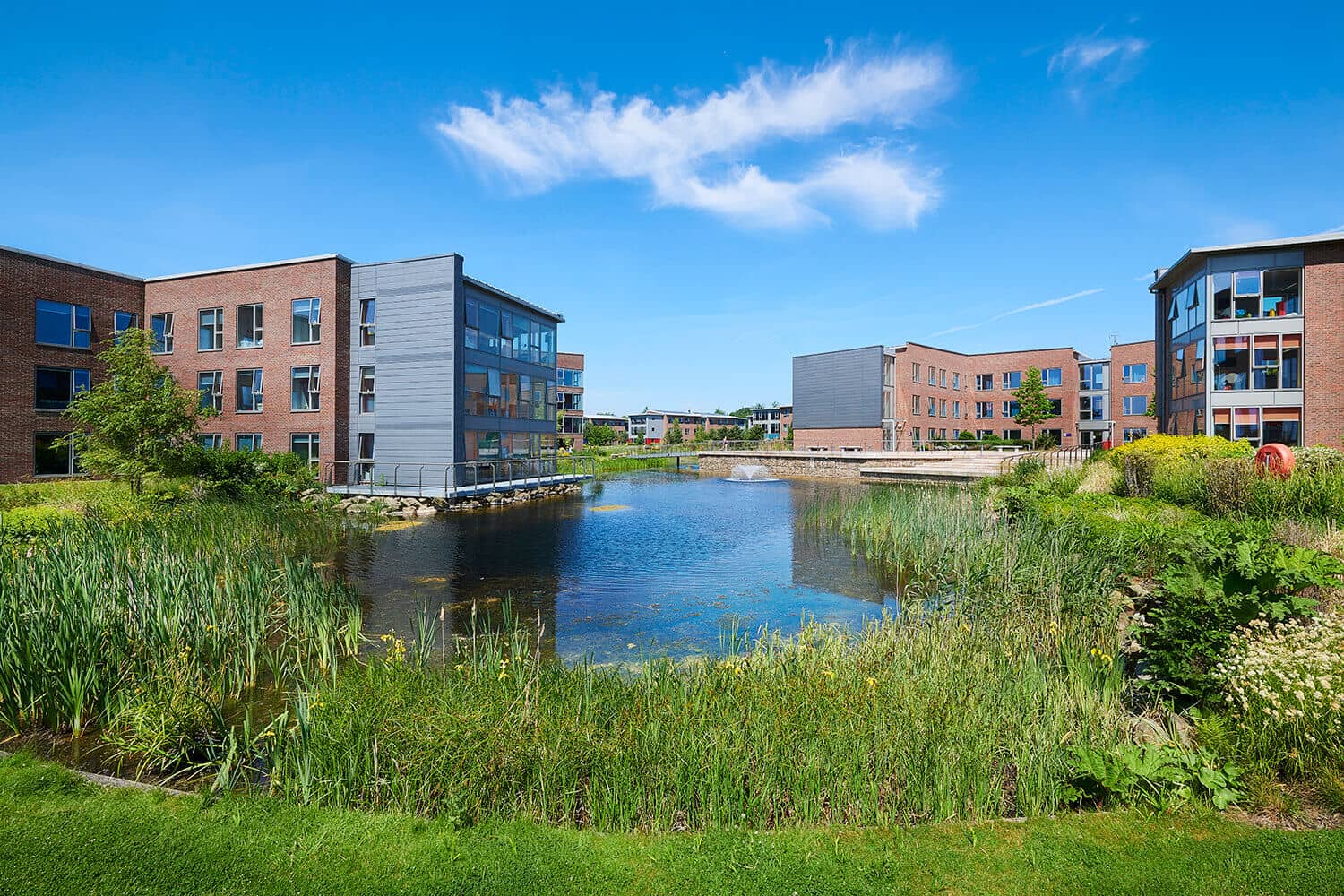
If you join a full time undergraduate degree at Edge Hill University, we will guarantee you the offer of a room in our halls of residence for the first year of your course.
Discover our accommodation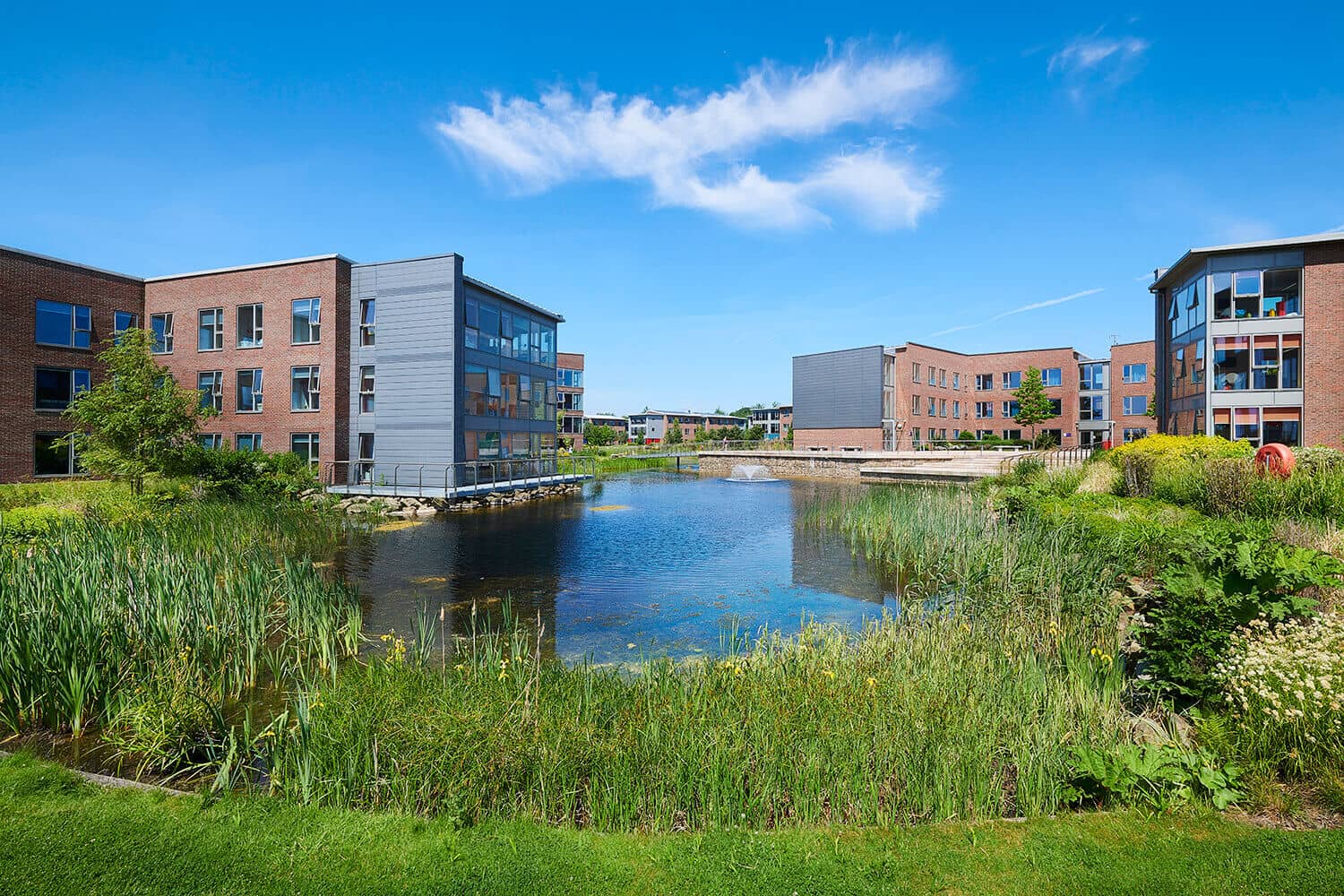
Facilities
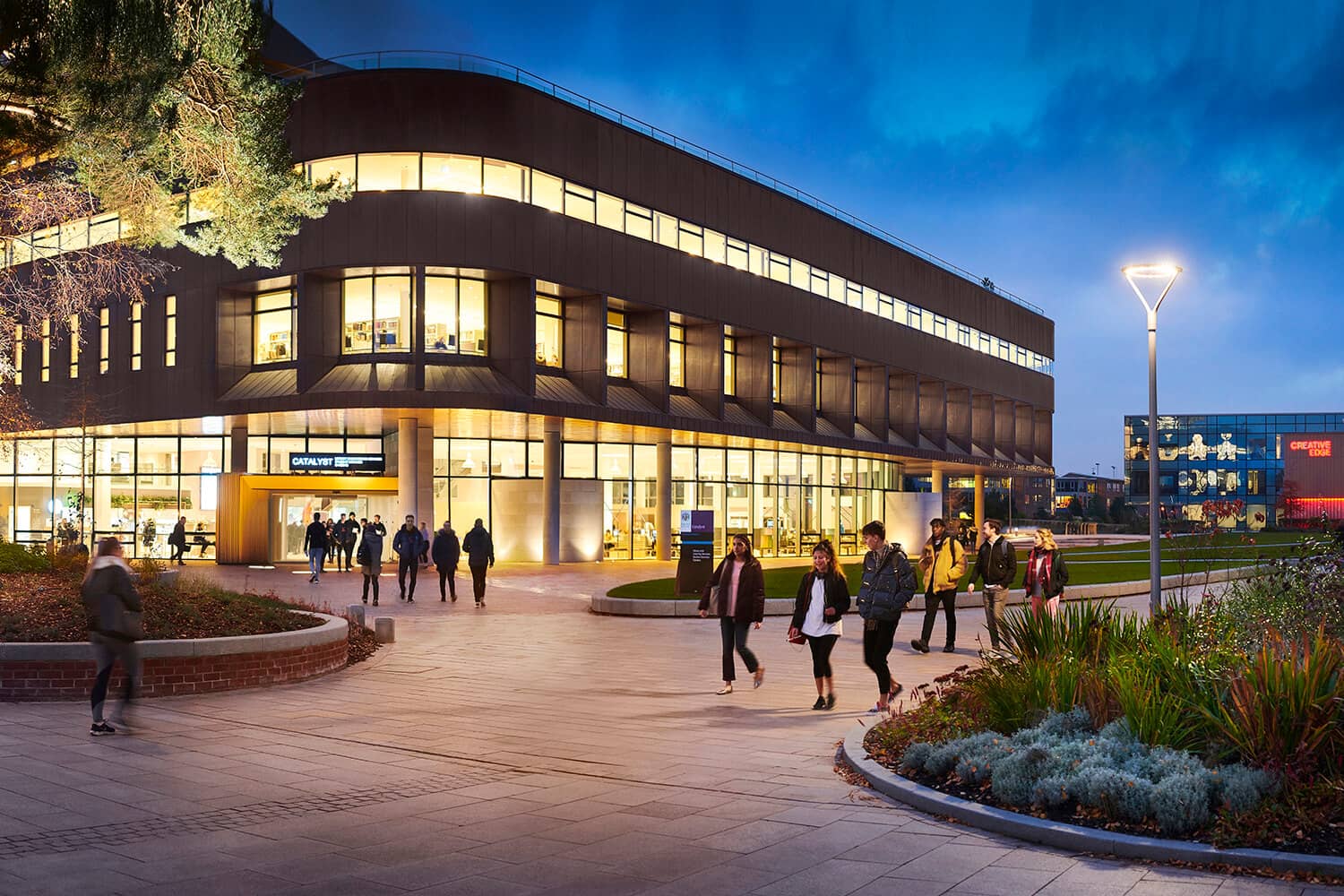
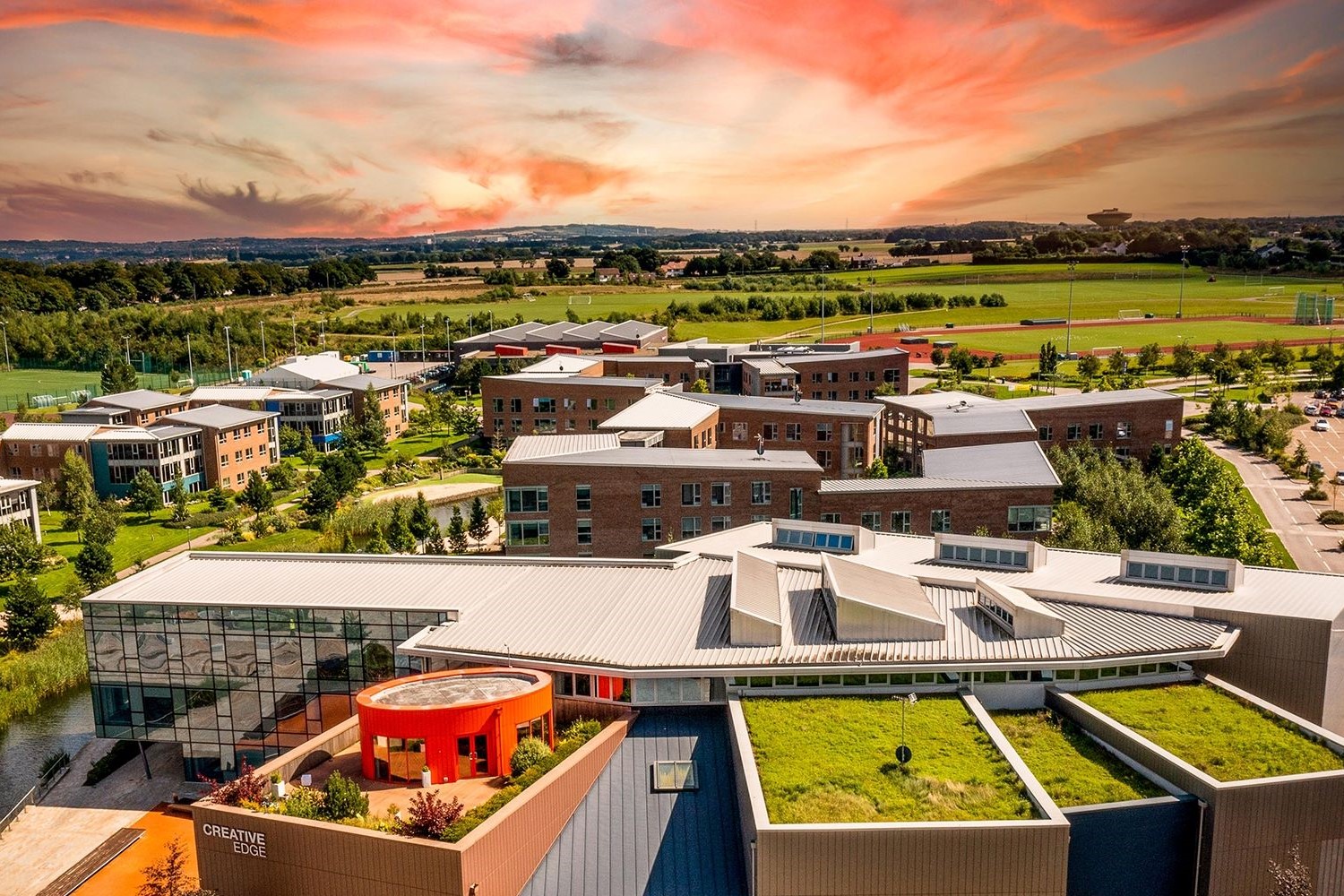
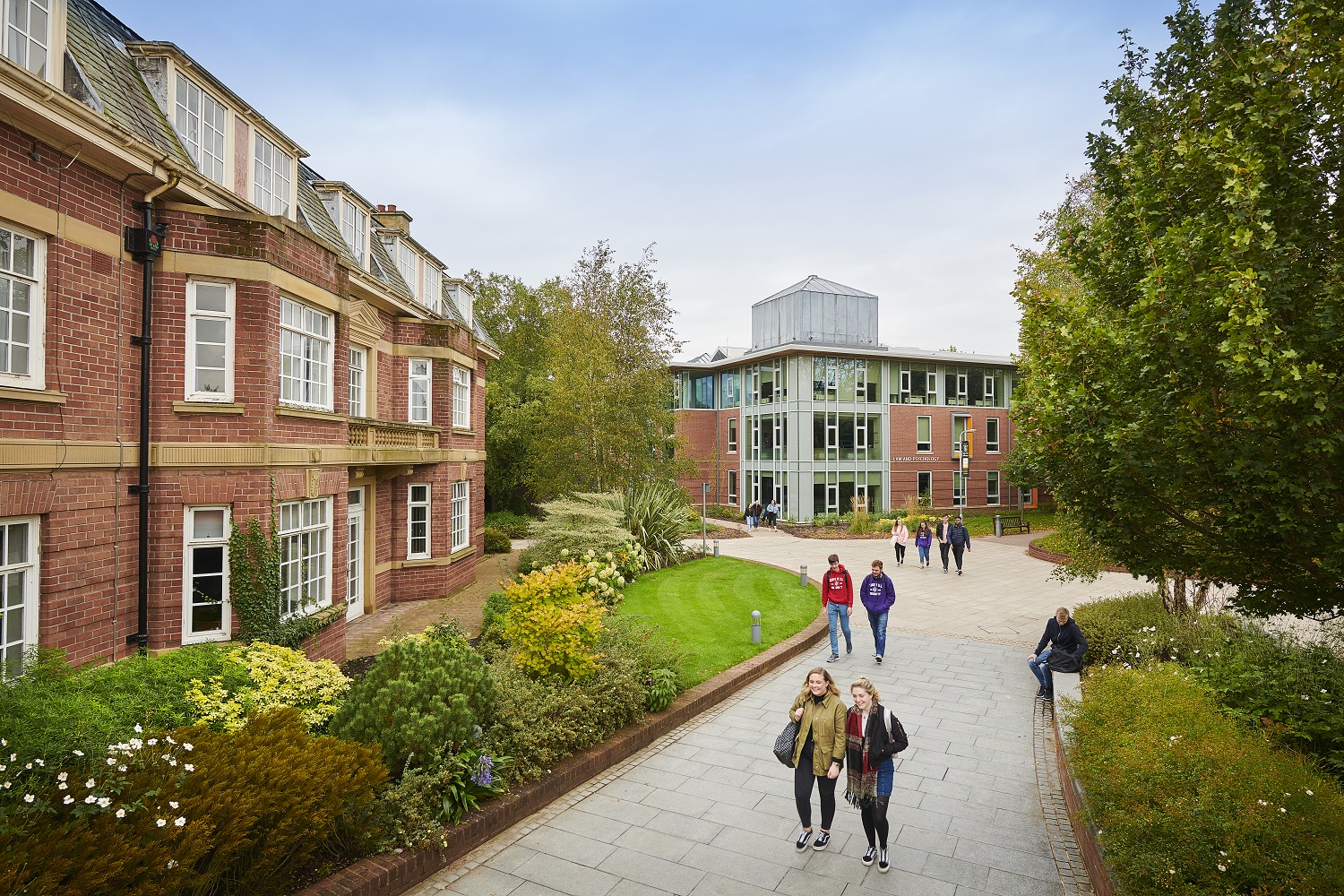 The £6m Law and Psychology building provides contemporary teaching and learning facilities for students in the Department of Psychology.
The three-storey building includes a 250-seat lecture theatre, seminar and tutorial rooms, and social learning areas which encourage a more informal and interactive style of learning. There are also specially designed experimental facilities for psychological research.
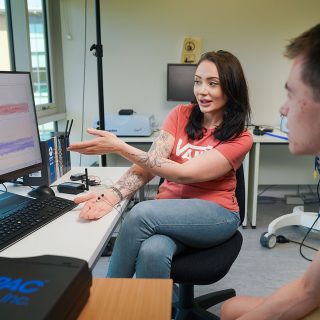
Psychology resources include state-of-the-art eye trackers, transcranial direct current stimulation (tDCS) methods, transcranial magnetic stimulation (TMS) and near-infrared spectroscopy (NIRS) for examining cognitive functioning and brain activity. Other specialist laboratories include a group testing laboratory, a ‘bar simulation laboratory’ (for alcohol research), health psychology suite, coaching clinic, audio-visual suites and dedicated IT facilities equipped with subject specific software installed to support experimental work.
Where you'll study
Finance
Tuition fees
UK Full-Time
£9,790
a year
UK Part-Time
£81.50 per credit
for 360 credits
International
£14,500
a year
EU/EEA and Swiss students who have settled or pre-settled status under the EU Settlement Scheme, as well as Irish nationals, may be eligible for the UK tuition fee rate.
Financial support
Subject to eligibility, UK students joining this course can apply for a Tuition Fee Loan from the Government to cover the full cost of tuition fees. UK students enrolling on the course may also be eligible to apply for additional funding to help with living costs.
Scholarships
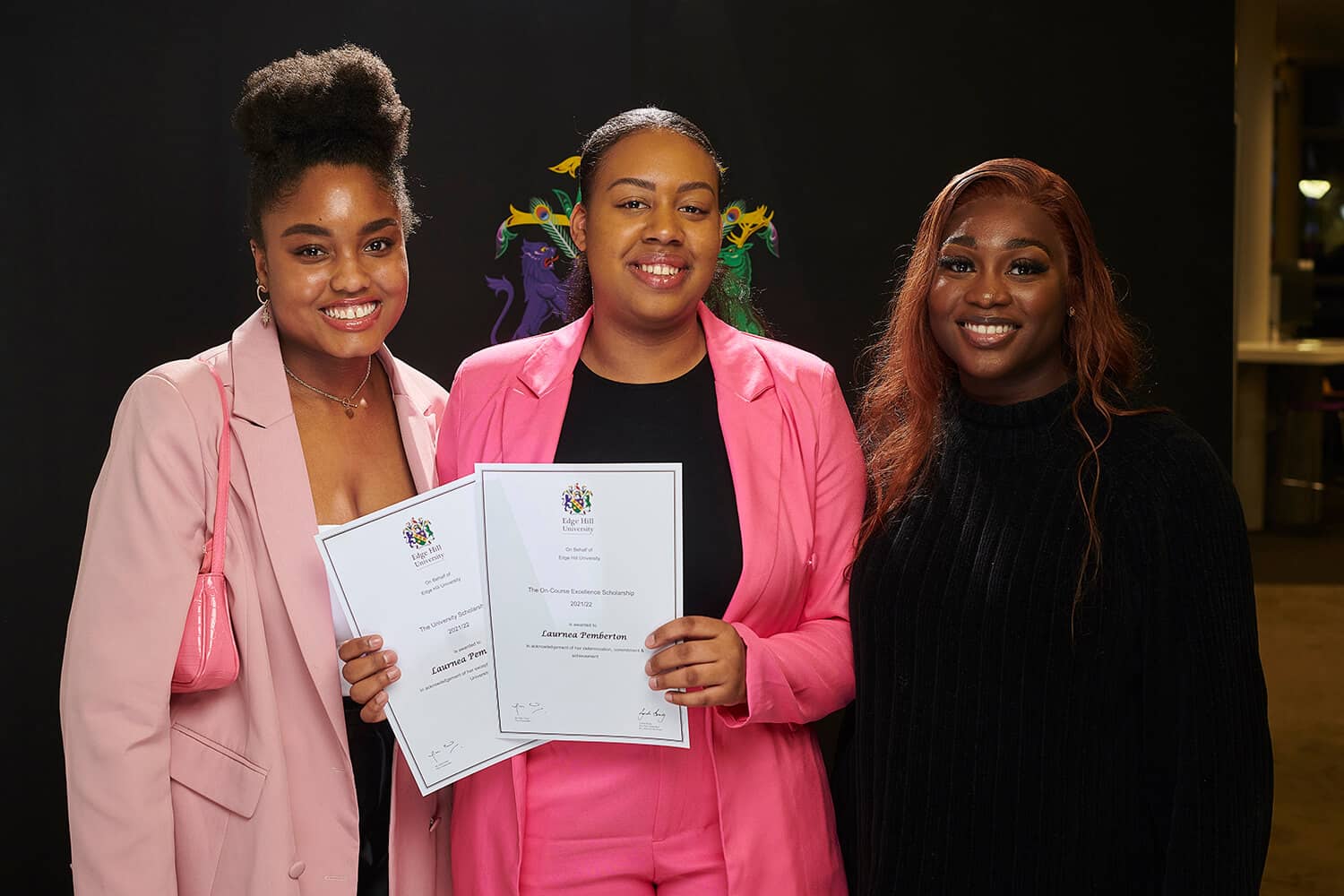
We offer a range of scholarships, which celebrate the determination, commitment and achievement of our students. Many of our scholarships are awarded automatically. There are some however, where you will need to be involved in an application or nomination process. To find out more about our scholarships and check your eligibility, please visit our dedicated scholarships pages.
Money Matters
Please view the relevant Money Matters guide for comprehensive information about the financial support available to eligible UK students.
EU/EEA and Swiss students who have settled or pre-settled status under the EU Settlement Scheme may be eligible to apply for financial support. Irish nationals can ordinarily apply to Student Universal Support Ireland (SUSI). If you are an EU student who does not have settled or pre-settled status, or are an international student from a non-EU country, please see our international student finance pages.
Tuition fees
UK Full-Time
£10,050
a year
UK Part-Time
TBC
a year
International
TBC
a year
EU/EEA and Swiss students who have settled or pre-settled status under the EU Settlement Scheme, as well as Irish nationals, may be eligible for the UK tuition fee rate.
Financial support
Subject to eligibility, UK students joining this course can apply for a Tuition Fee Loan from the Government to cover the full cost of tuition fees. UK students enrolling on the course may also be eligible to apply for additional funding to help with living costs.
Scholarships
We offer a range of scholarships, which celebrate the determination, commitment and achievement of our students. Many of our scholarships are awarded automatically. There are some however, where you will need to be involved in an application or nomination process. To find out more about our scholarships and check your eligibility, please visit our dedicated scholarships pages.
Money Matters
Please view the relevant Money Matters guide for comprehensive information about the financial support available to eligible UK students.
EU/EEA and Swiss students who have settled or pre-settled status under the EU Settlement Scheme may be eligible to apply for financial support. Irish nationals can ordinarily apply to Student Universal Support Ireland (SUSI). If you are an EU student who does not have settled or pre-settled status, or are an international student from a non-EU country, please see our international student finance pages.
Your future career
We’re 2nd in the North West for career prospects (The Guardian University Guide 2026 – Psychology).
The study of psychology offers the skills needed to find your feet in the sports, health and fitness industry, although you may need to commit to further training depending on your chosen career path.
Our Psychology with Sport and Exercise degree is the first step to becoming a chartered sports psychologist or psychologist, so if you’d like to specialise in this area, you’ll need to complete postgraduate studies.
Some students find themselves transferring to other industries such as advertising, healthcare and education using the transferrable skills developed at Edge Hill.
After graduation some of our sports students have gone on to secure rewarding roles at Blackpool FC, London Broncos Rugby League and Leeds Teaching Hospital.
At Edge Hill, we have a range of aligned postgraduate pathways which can enable you to continue your journey in Sport and Exercise Psychology. These include: MSc Health Psychology, MSc Coaching Psychology, MSc Applied Sport and Exercise Science and MSc Sport, Physical Activity and Mental Health.
You could find yourself working in areas such as:
- Sports Development officer
- Health improvement practitioner
- Coach educator
- Athlete liaison officer
- Performance lifestyle advisor
- Community educator/officer
- Health educator/officer
- Wellness coach
- Physical Activity Programme Coordinator
- Health trainer
- Performance sports scientist
Course changes
Every effort has been made to ensure the accuracy of this information, however our courses are subject to ongoing review and development. Changing circumstances may necessitate alteration to, or the cancellation of, courses.
Changes may be necessary to comply with the requirements of professional bodies, revisions to subject benchmarks statements, to keep courses updated and contemporary, or as a result of student feedback. We reserve the right to make variations if we consider such action to be necessary or in the best interests of students.