On World Mental Health Day, we often ask how to encourage people to speak up about their mental health. This year’s theme, “Lived experiences heard: real voices, real change”, asks something more of us: what happens after we listen?
Do people who need support have a say in what that support looks like and can they access it in ways that work for them? These questions matter to me as a researcher in the arts and arts psychotherapies.
Through our work at Edge Hill University, I have seen how appropriate uses of the arts can open different ways for people to express themselves, connect with others and receive support.
They should not replace existing clinical care. But neither should we assume that one route into care or one way of resolving distress will work for everyone.
That is why the Government’s independent review into mental health conditions, ADHD and autism matters. Research from our Arts for the Blues and Arts4Us projects are contributing evidence to this policy work.
The review is examining prevention, early intervention and different models of support within and beyond the NHS. It raises a question we cannot afford to ignore; how do we offer people meaningful help without making every form of support dependant on reaching a specialist service first? And when specialist case is needed, how can we meet the needs of those who are often missed or underserved?
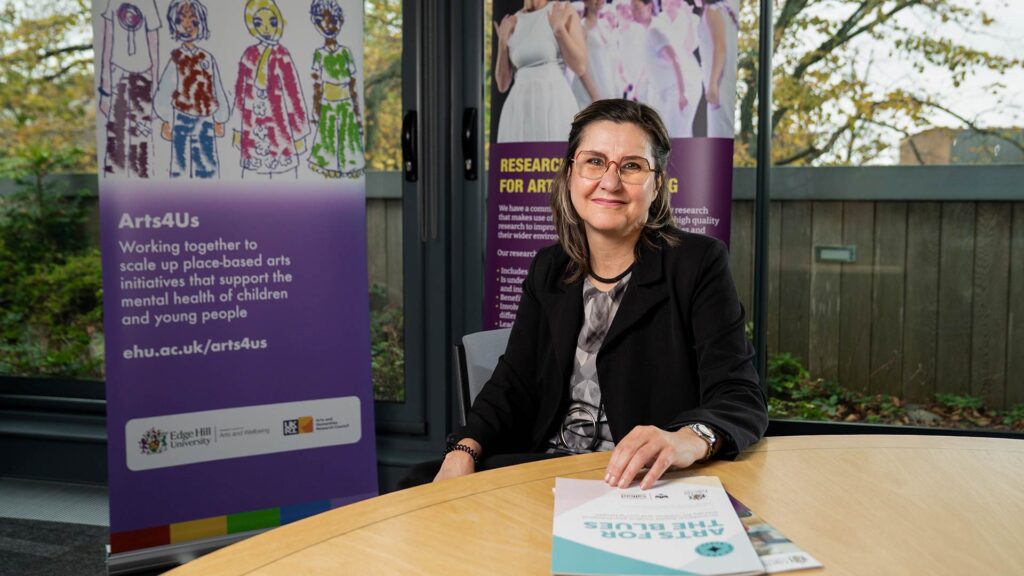
I believe part of the answer lies in stronger connections between healthcare, schools, local organisations and the communities people live in. That is not an argument for asking communities to fill gaps left by overstretched clinical services.
It is an argument for taking seriously the different kinds of support people may need and making sure those options are accessible, well-evidenced and connected to appropriate care. Delivered by people who understand the therapeutic value of the arts and who hold appropriate qualifications and training matched with the level and type of mental health severity.
In our research around evidence that is coming out at the Lancet soon (Cheung et al 2026), we have found that synthesising results from numerous studies (i.e., 150 systematic reviews and 100 randomised controlled trials), we have consistent findings: the arts can reduce anxiety and depression, improve wellbeing and quality of life!
The positive benefits are comparable to talking therapies. When biomarkers are considered, the benefits in reduction of blood pressure and heart rate are similar to the benefits from exercise. Still, these results have not led to changes in services or improving access to the arts.
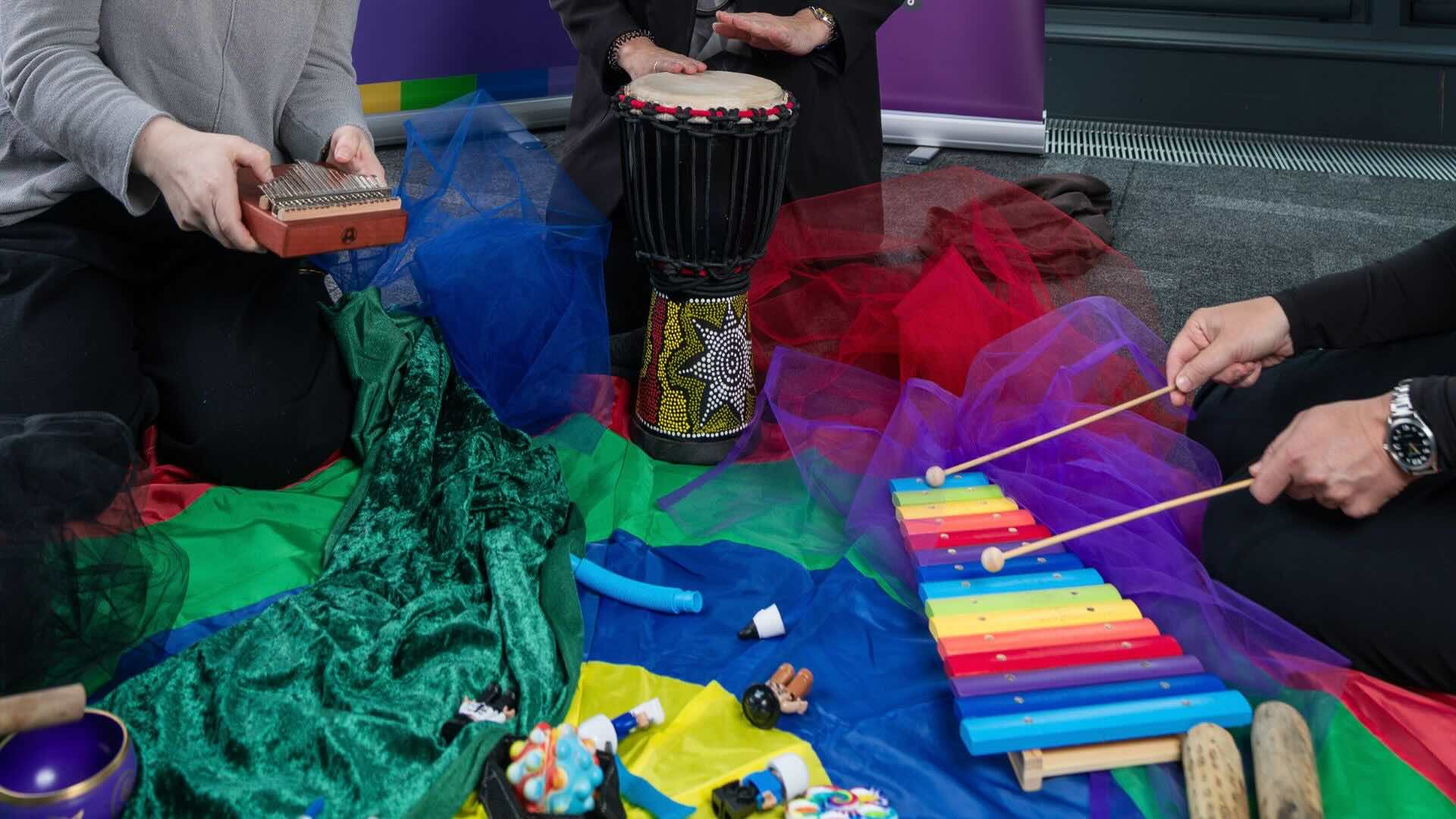
In order to change this, in one of our projects, the Arts for the Blues, we bring music, movement, drama, visual art and creative writing into a structured group psychotherapy model. We have used this work with children, young people and adults in diverse settings including NHS services, schools and charities.
Our research reports improvements in participants’ mental health and wellbeing, while participants have described the value of the friendships, creative expression and sense of belonging they found in the groups (Moula et al 2022, UKCP).
One child described how a song at the beginning and end of a session helped them move between the group and the classroom. It is a small detail but an important one.
Support is not only about whether an intervention exists but also about whether someone feels able to take part in it and carry something useful from it into everyday life.
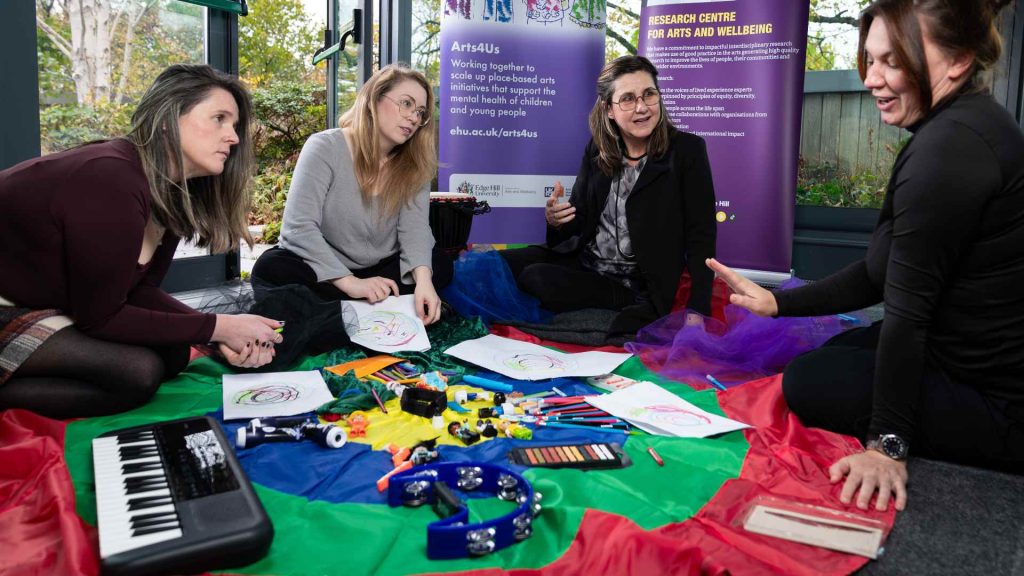
Our Arts4Us project aims to answer another important research question. Even when arts activities and arts therapies are available, how do young people and families find the right support?
Working with more than 50 partners, including health services and community organisations, we are developing a digital platform to help children, young people, families and professionals find arts-based support.
Young people and families are helping us understand the barriers they face and what they want from that support. Their views must shape the answer, rather than simply be gathered after decisions have been made.
This is where World Mental Health Day’s message becomes more than a slogan. Listening to lived experience can change how we design services, where they are offered, how people hear about them and whether they feel welcoming to people who have too often been underserved.
The independent review is considering different models of support within and beyond the NHS. Our contribution is to show what carefully designed creative approaches can offer within that wider picture and why access matters as much as availability.
My hope is that this conversation moves us past a choice between clinical care or community support. People need different things at different times with the arts being able to play an important role to both.
As culturally responsive ways of working in the hands of trained and qualified practitioners such as arts psychotherapists, the arts can be used in therapy to expand current specialist provision, allowing for the treatment and management of serious or long-term mental health concerns. At the same time, when the arts are used in the community, they can provide ongoing opportunities for prevention and early intervention.
Specialist treatment must be there for those who need it; earlier and more accessible forms of support should be there too. If we listen properly to the people these services are meant to serve, we have a better chance of building both.
In a continuum of services, the arts can offer a common thread that can meet the needs of people who, otherwise, are in danger of remaining underserved.
Discover how arts-based approaches can support mental health and wellbeing, explore the Research Centre for Arts and Wellbeing at Edge Hill University.
October 8, 2026