Physical literacy in children and young people
Project leads
Project team
- Professor Stuart Fairclough
- Professor Lisa Barnett (Deakin University, Australia)
Project information
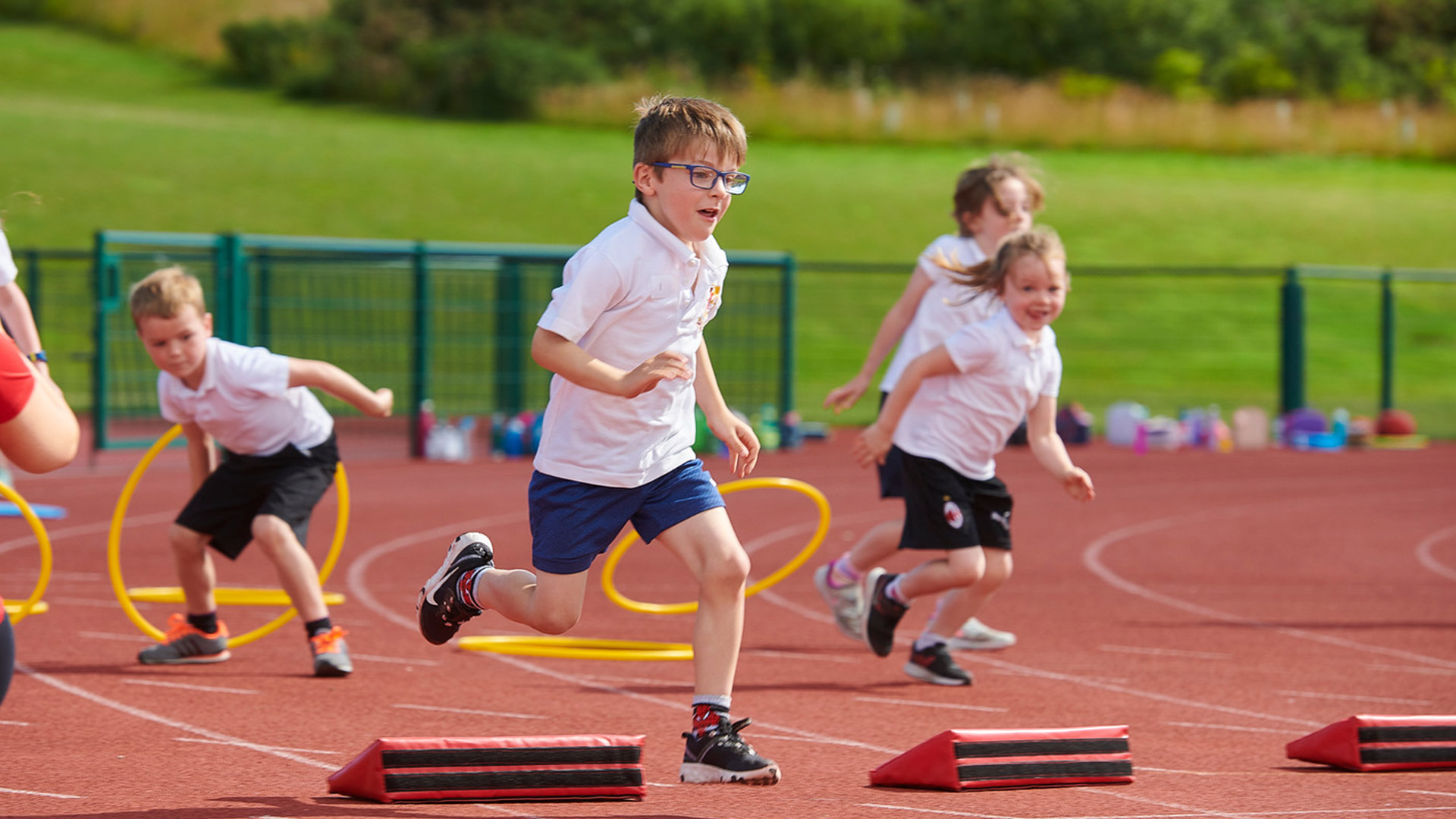
This project builds on previous research that established evidence of the validity and reliability of the Physical Literacy in Children Questionnaire (PL-C Quest) (version 1) for use with primary school-aged children in England, undertaken with permission from Sport Australia. The research now focuses on understanding how physical literacy is associated with physical activity, physical health, mental health, and health-related quality of life in children and young people. The project is also examining current levels of physical literacy, including children’s physical, psychological, social, and cognitive capabilities, and identifying potential inequalities across Northwest England. The findings will provide valuable insights into the role of physical literacy in supporting healthy development and inform future approaches to promoting children’s physical activity, health, and wellbeing within school and community settings. The project is a collaboration with colleagues at Deakin University and is undertaken in partnership with the West Lancashire Sports Partnership, Clare Mount Specialist Sports College, the Chorley School Sport Partnership, and Wirral schools.
Physical literacy in pre-service physical education teachers and sport-related university undergraduate students
Project lead
Project team
Project information
The project aims to better understand students’ physical literacy capabilities, experiences, and development, and how these may influence their future professional practice within physical education, sport, physical activity, and health-related settings. The project assesses physical literacy among pre-service physical education teachers and sport-related undergraduate students across the United Kingdom and Ireland. It also follows students longitudinally throughout their degree programmes to understand how physical literacy develops over time. Through movement autobiographies and reflective activities, students explore their experiences of movement, physical activity, sport, and physical education, providing insight into the factors that shape their physical literacy journeys and future professional practice. The findings will contribute to a better understanding of physical literacy in higher education and support the development of future teachers, coaches, and sport practitioners who can promote positive movement experiences and lifelong engagement in physical activity and movement.