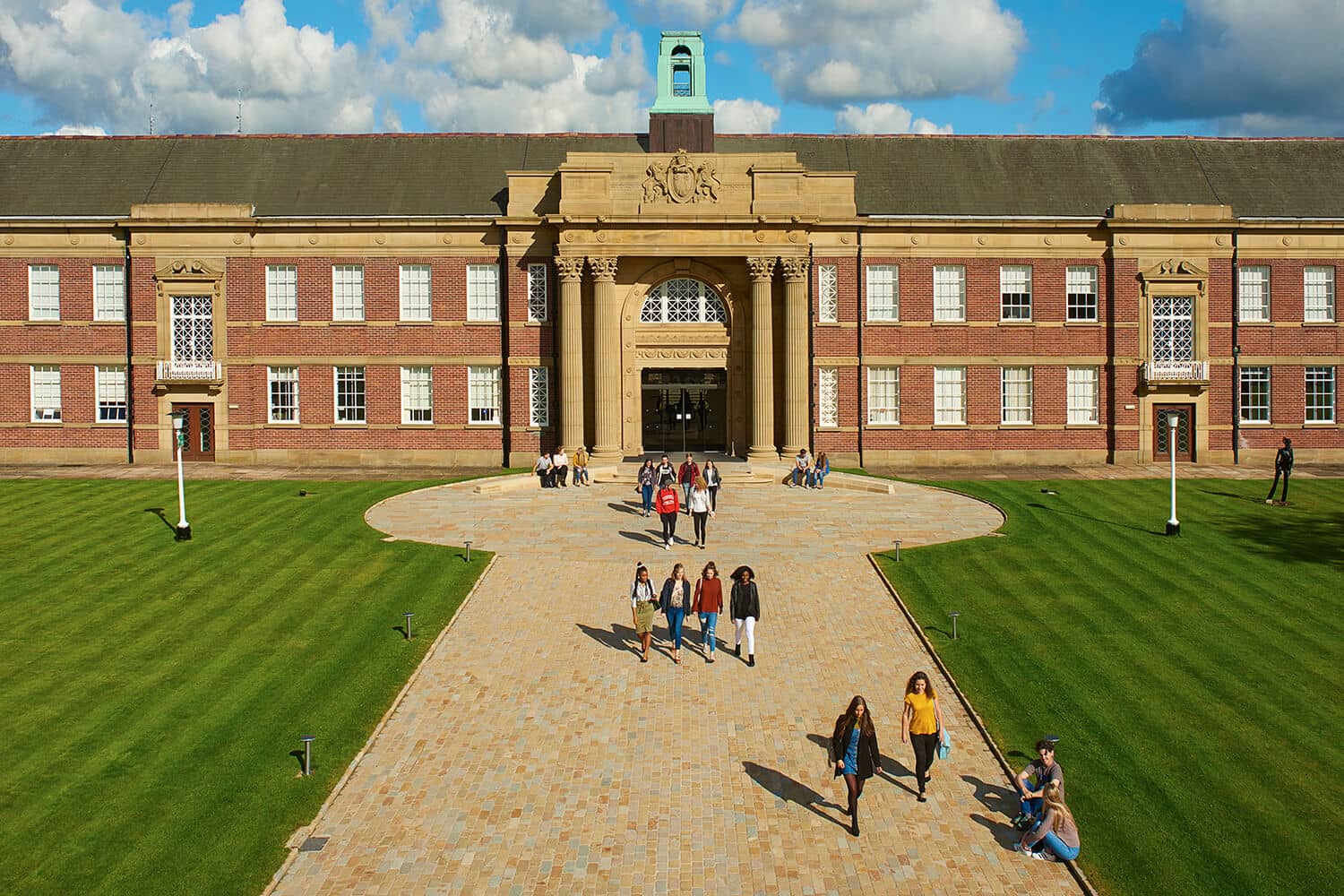
Education and Special Educational Needs, Disabilities and Inclusion BA (Hons)
UCAS code: X420
Why does education matter? How does education change our lives? How will studying education prepare you for a career inspiring others? Learn how education transforms lives and become the one who creates that change on our BA (Hons) Education and Special Educational Needs, Disabilities and Inclusion degree.
This course remains open to UK students through Clearing 2026. Get in touch to discuss entry criteria.
This course is now closed to international applicants for September 2026 entry.
Overview
| Course length: | 3 years full-time |
|---|---|
| Start dates: | September 2026 September 2027 |
| Location: | Edge Hill University |
| Example offers: | BCC-BBC (A Level) or DMM (BTEC)96-104 UCAS Tariff points View full entry criteria |
| Subject(s): | Education and Teaching |
| Faculty: | Education |
| Department: | Primary and Childhood Education |

Education is everywhere – from schools to community organisations, sports foundations to the arts, hospitals to criminal justice settings, and from professional and business services to creative industries including digital and virtual technology.
Our BA (Hons) Education and Special Educational Needs, Disabilities and Inclusion programme equips you with the necessary skills, experience and knowledge needed to pursue a graduate career specialising in these fields. Blending theory with real-world application, it examines key topics such as dyslexia and dyscalculia, disability studies, inclusive practice, interventions and programmes, trauma-informed and whole school approaches, neurodiversity, and social and emotional wellbeing.
Our internationally known research active staff will provide you with an innovative, applied degree designed in collaboration with industry experts that sets you apart from others and ensures you are well prepared for the diverse opportunities and challenges in the field. With opportunities for placements, real world projects, and hands-on experience in all years of study, graduates leave equipped to inspire change and change lives. It’s not just about understanding education—it’s about shaping its future and working with others to enhance life chances.
Education Subject Spotlight on Springpod
This teaser introduces Dr Seán Henry’s exploration of how education drives social change. Discover key ideas from Paulo Freire and critical pedagogy, then continue your learning by watching the full four‑part series on Springpod: ehu.ac.uk/educationspringpod.
Course features
-
International students can apply
-
Studying abroad option available
-
Sandwich year option available
-
Work placement opportunity
What you'll study
In your first year, you’ll begin your journey into education, exploring the key ideas, values, and contexts that shape learning today. You’ll develop essential study and research skills for university-level work, and gain practical insights into supporting learners with special educational needs and disabilities. Through focused learning, you’ll start to understand how inclusive education works in practice and build the foundation for your future studies and professional development.
In Year 2, you’ll explore how technology, inclusion, and community shape modern education. You’ll examine the opportunities and challenges of digital learning, investigate contemporary approaches to supporting learners with special educational needs and disabilities, and consider the role of education within the wider community. You’ll also continue to develop your knowledge of the practical skills needed to apply your understanding of inclusive education in real-world settings.
In your final year, you’ll bring together your learning to explore how education can create positive change. You’ll engage in real-world research, examine how education can support learners with special educational needs and disabilities, and develop the knowledge and skills needed to lead and manage in community education settings. You’ll also reflect on your academic and professional growth, preparing you to make a meaningful impact in inclusive education and beyond.
Entry criteria
Typical offer 96-104 UCAS Tariff points. No specific subjects are required.
Two GCSES at Grade C or Grade 4 or above (including English).
All students enrolling on this programme will need an enhanced DBS check.
Example offers
| Qualification | Requirement |
|---|---|
| A Level | CCC-BCC |
| UCAS Tariff points | 96-104 points. |
| BTEC Extended Diploma (or combination of BTEC QCF qualifications) | Merit, Merit, Merit (MMM). |
| T Level | Overall grade of Pass (C or above on the core). |
| International Baccalaureate (IB) | We are happy to accept IB qualifications which achieve the required number of UCAS Tariff points. |
| Access to Higher Education Diploma | 45 credits at Level 3, for example 15 credits at Distinction, 15 credits at Merit and 15 credits at Pass. The required total can be attained from various credit combinations. |
Please note, the above examples may differ from actual offers made. A combination of A Level and BTEC awards may also be accepted.
If you have a minimum of two A Levels (or equivalent), there is no maximum number of qualifications that we will accept UCAS points from. This includes additional qualifications such as Extended Project Qualification (EPQ), AS Levels that haven't been continued to A Level, and General Studies AS or A Level awards.
English language requirements
International students require IELTS 6.0, with a score no lower than 5.5 in each individual component, or an equivalent English language qualification.
How to apply
Apply full-time
Read our guide to applying through UCAS to find out more about the application process.
International
Please see our international student pages for further information about how to apply as a prospective international student.
At Edge Hill, we believe Clearing is a new beginning - a chance to choose a university that believes in your ambition, invests in your future and supports you every step of the way. Our Clearing team is here to help you take the next step.
Apply through ClearingFind out about Clearing
Facilities
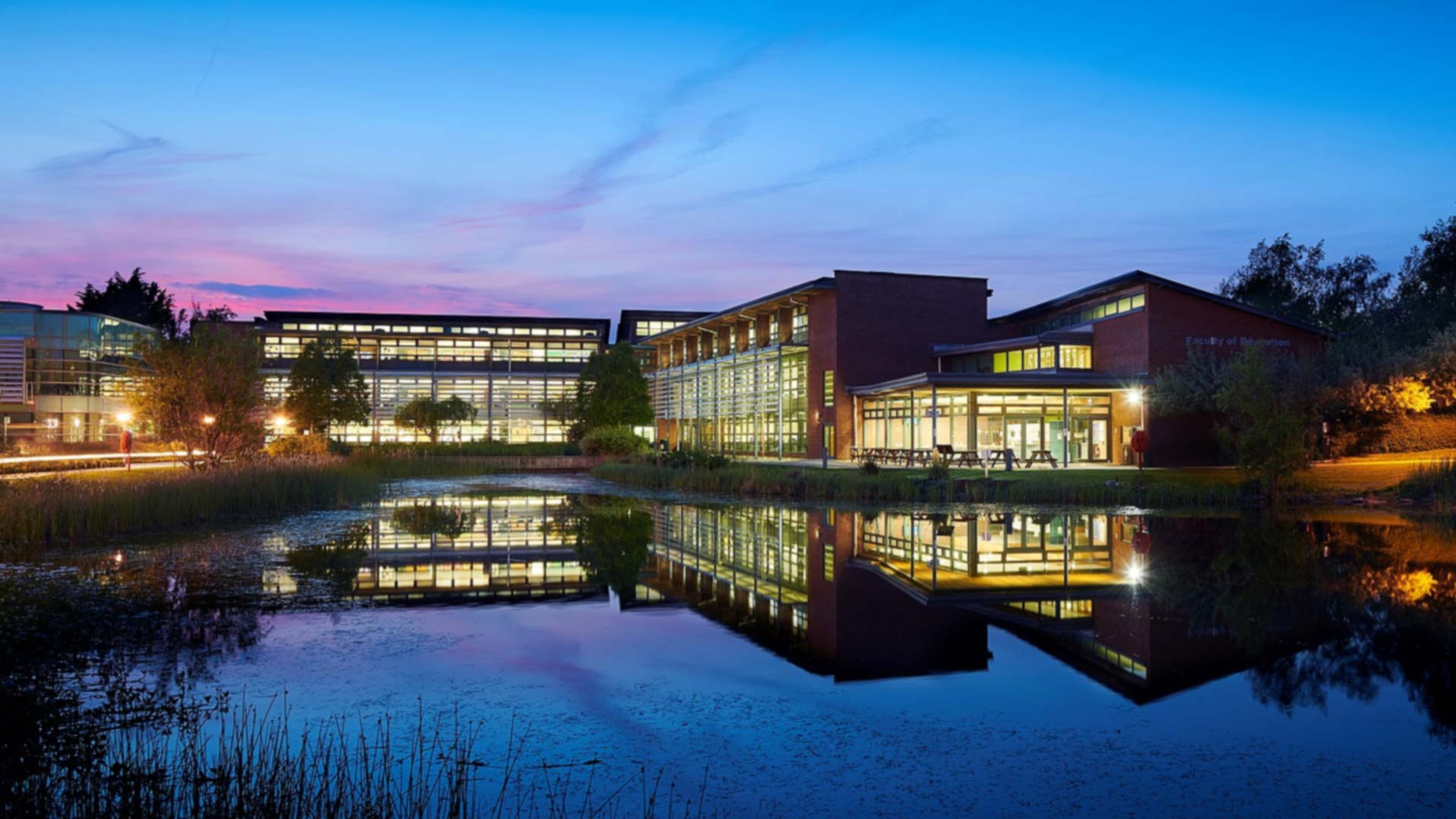
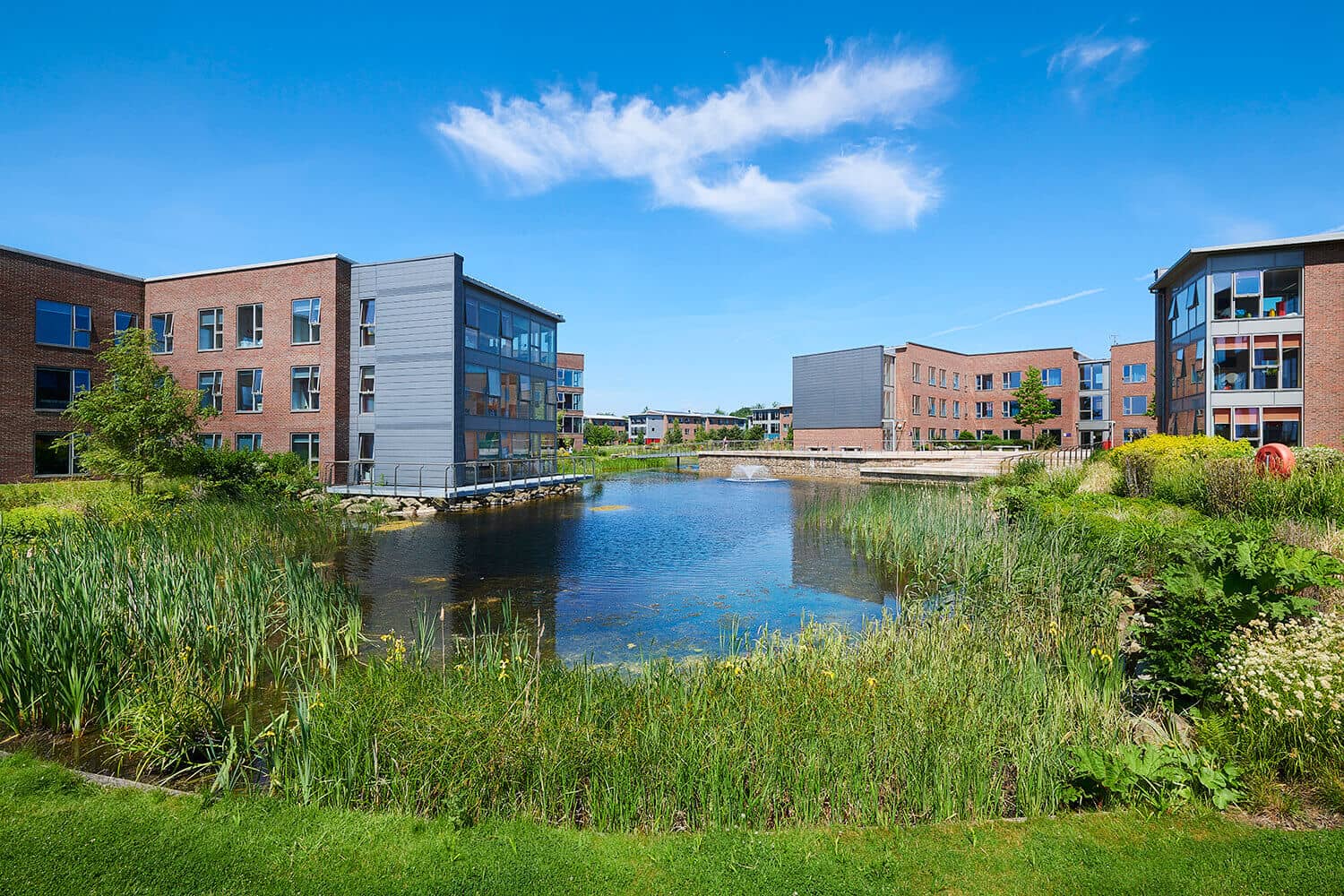
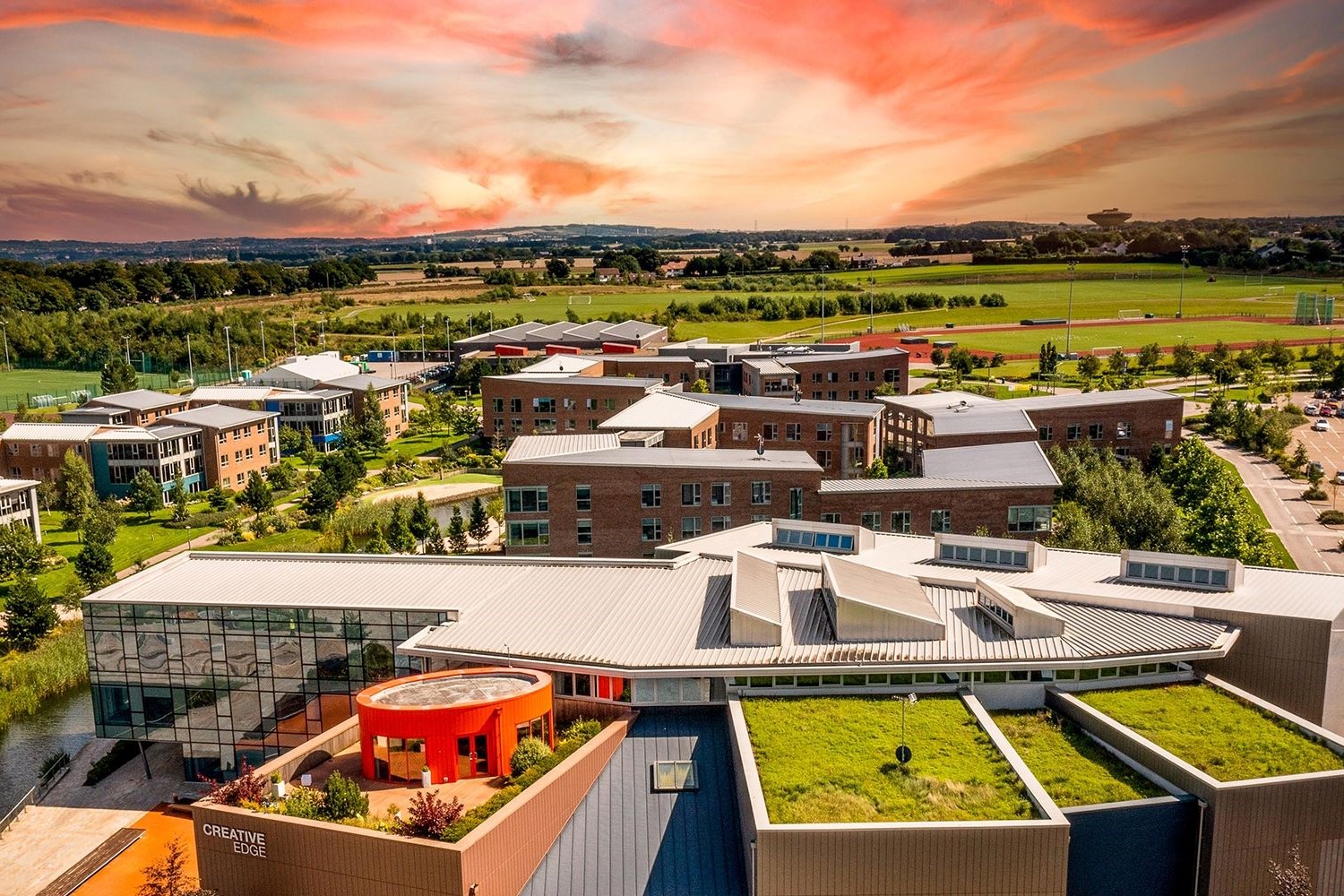
The Faculty of Education enjoys the enviable position of being one of the country’s leading providers of transformative education, training and research for the teaching and education workforce. Housed in a state-of-the-art £9m building, the Faculty of Education enjoys a stunning setting from both its lakeside and piazza buildings.
Facilities in the lakeside building include a 300-seat lecture theatre, five well-equipped ICT suites, and 18 teaching rooms complete with the latest technology.
The nearby Piazza Building is home to the Foundation Centre and School of Education, and includes a lecture theatre and several seminar rooms.
Where you'll study
Finance
Tuition fees
UK Full-Time
£9,790
a year
International
£14,500
a year
EU/EEA and Swiss students who have settled or pre-settled status under the EU Settlement Scheme, as well as Irish nationals, may be eligible for the UK tuition fee rate.
Financial support
Subject to eligibility, UK students joining this course can apply for a Tuition Fee Loan from the Government to cover the full cost of tuition fees. UK students enrolling on the course may also be eligible to apply for additional funding to help with living costs.
Scholarships
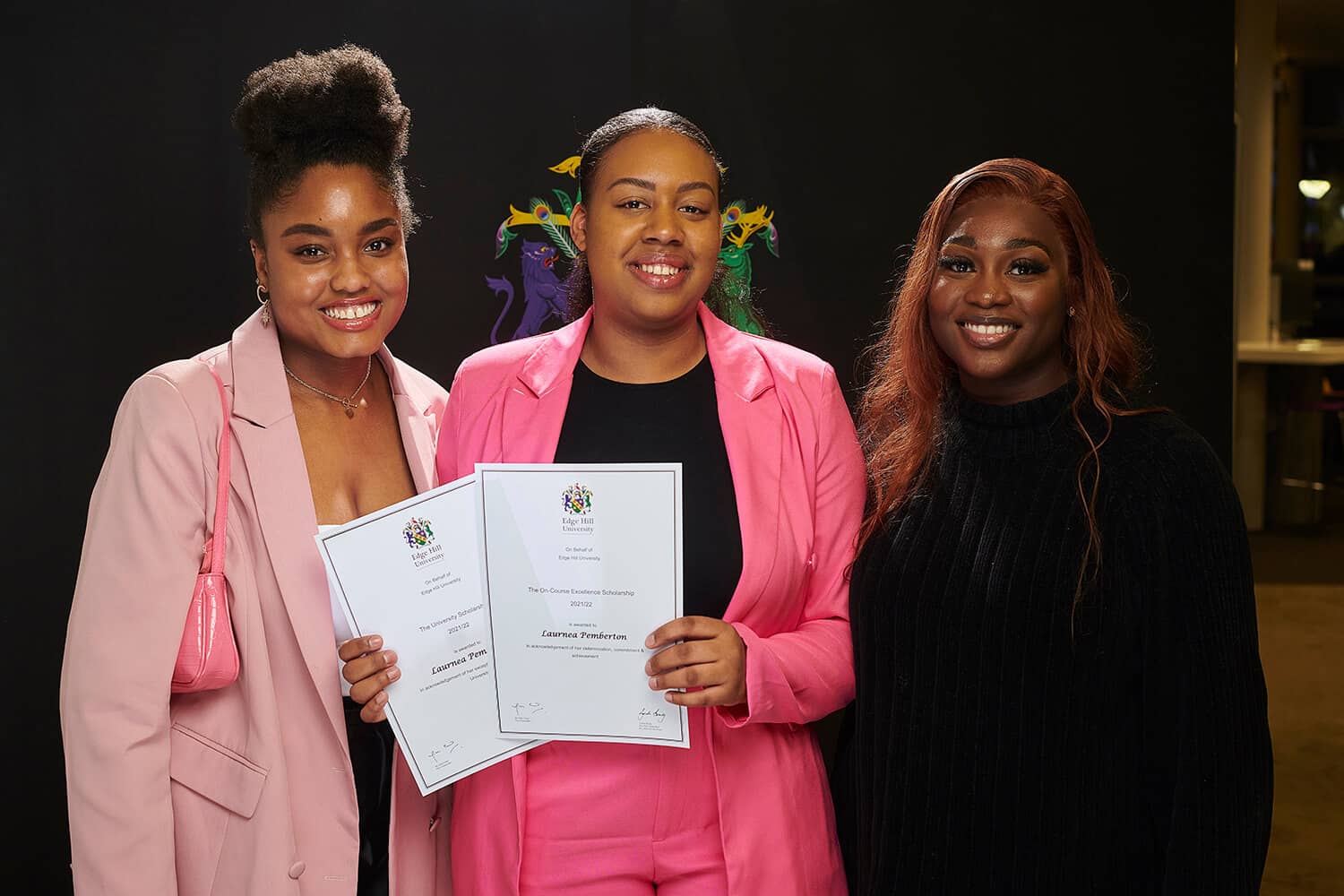
We offer a range of scholarships, which celebrate the determination, commitment and achievement of our students. Many of our scholarships are awarded automatically. There are some however, where you will need to be involved in an application or nomination process. To find out more about our scholarships and check your eligibility, please visit our dedicated scholarships pages.
Money Matters
Please view the relevant Money Matters guide for comprehensive information about the financial support available to eligible UK students.
EU/EEA and Swiss students who have settled or pre-settled status under the EU Settlement Scheme may be eligible to apply for financial support. Irish nationals can ordinarily apply to Student Universal Support Ireland (SUSI). If you are an EU student who does not have settled or pre-settled status, or are an international student from a non-EU country, please see our international student finance pages.
Tuition fees
UK Full-Time
£10,050
a year
International
TBC
a year
EU/EEA and Swiss students who have settled or pre-settled status under the EU Settlement Scheme, as well as Irish nationals, may be eligible for the UK tuition fee rate.
Financial support
Subject to eligibility, UK students joining this course can apply for a Tuition Fee Loan from the Government to cover the full cost of tuition fees. UK students enrolling on the course may also be eligible to apply for additional funding to help with living costs.
Scholarships
We offer a range of scholarships, which celebrate the determination, commitment and achievement of our students. Many of our scholarships are awarded automatically. There are some however, where you will need to be involved in an application or nomination process. To find out more about our scholarships and check your eligibility, please visit our dedicated scholarships pages.
Money Matters
Please view the relevant Money Matters guide for comprehensive information about the financial support available to eligible UK students.
EU/EEA and Swiss students who have settled or pre-settled status under the EU Settlement Scheme may be eligible to apply for financial support. Irish nationals can ordinarily apply to Student Universal Support Ireland (SUSI). If you are an EU student who does not have settled or pre-settled status, or are an international student from a non-EU country, please see our international student finance pages.
Your future career
This degree prepares graduates for a range of careers across both mainstream education as well as the special educational needs and disability sectors. The course is also ideal in preparing you to undertake postgraduate teacher training, whatever your chosen age phase. Alternatively, you may wish to pursue postgraduate taught study in fields such as educational research, psychology, mental health and counselling.
Typical career paths include:
- working as a learning mentor
- education administrator
- museum/gallery/heritage site educator
- educational psychologist
- education counsellor
- social/community worker
- prison educator
- international development worker
- training organiser
- charity worker
- speech therapist
- roles in publishing
Other suitable roles to pursue after graduation include:
- assistant educational psychologist or learning mentor
- working in schools or other educational settings
- working as an assistant special educational needs and disabilities case worker
- special educational needs and disabilities case officer
- family liaison officer in local authorities
Additional options include graduate-level roles with relevant charities or graduate teaching assistant jobs.
The course is highly suitable if you are looking to progress onto a PGCE, particularly if you wish to teach in special educational needs schools or settings. You can also train to be an education mental health practitioner and learn how to deliver low intensity interventions to support children and young people experiencing common mental health problems. Additional further study options are available at postgraduate level, with Edge Hill University offering a range of taught Master’s degrees and research degrees.
Work-related learning throughout the degree will prepare you for future employment by exploring the graduate level opportunities that are available across the special educational needs and disabilities sectors. This will help you to make an informed choice about your potential career options. Personal tutor sessions will focus on reviewing your progress towards graduate level employment, with leadership skills built into every module so that you feel confident leading teams, working in groups and managing projects. Dedicated employability sessions in each year of study will guide you in writing a CV, producing a professional LinkedIn profile, and compiling an electronic portfolio that evidences your graduate skills.
Course changes
Every effort has been made to ensure the accuracy of this information, however our courses are subject to ongoing review and development. Changing circumstances may necessitate alteration to, or the cancellation of, courses.
Changes may be necessary to comply with the requirements of professional bodies, revisions to subject benchmarks statements, to keep courses updated and contemporary, or as a result of student feedback. We reserve the right to make variations if we consider such action to be necessary or in the best interests of students.