English BA (Hons)
UCAS code: Q301
Ready to immerse yourself in language, critical thinking and linguistic discovery? Want to explore new worlds in the pages of celebrated works of literature? Sharpen your skills in communication, research and self-expression in language and literature on our English degree.
This course remains open to UK students through Clearing 2026. Get in touch to discuss entry criteria.
Overview
| Course length: | 3 years full-time |
|---|---|
| Start dates: | September 2026 September 2027 |
| Location: | Edge Hill University |
| Subject(s): | EnglishCreative Writing |
| Faculty: | Arts and Sciences |
| Department: | English and Creative Arts |

If you’re interested in applying for 2025 entry, please visit BA (Hons) English.
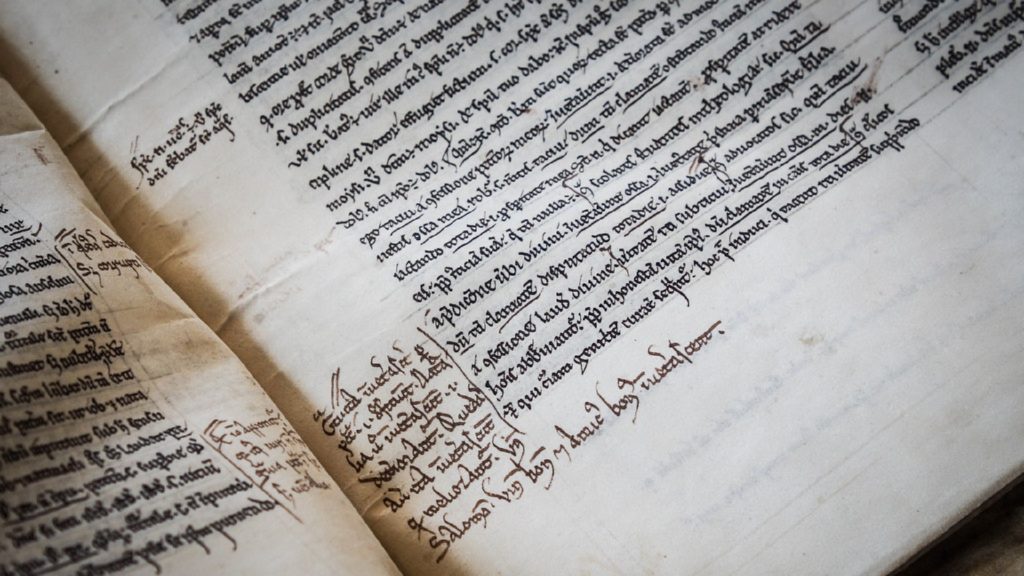
Our BA (Hons) English degree is designed to investigate central themes and concepts across both English literature and language. From the Brontë classics to the origins of dialects, we’ll cover over 3,000 years of literary history. You’ll also delve into areas such as sociolinguistics, grammar, discourse analysis, the history of English and gender and sexuality.
Do you want to evaluate and examine topics from literary history to language change? The flexibility of our English degree gives you the power to shape your studies. Choose modules such as Enterprise and Innovation, Modernisms or Forensic Linguistics from Year 2 onwards.
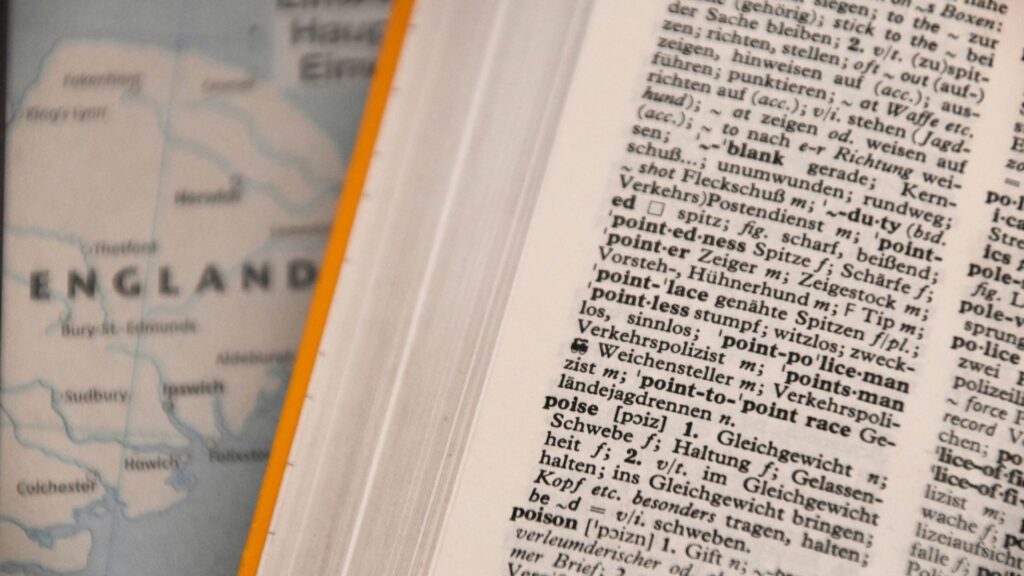
You’ll also get the chance to focus on a single author and study them extensively. Understand their writing against the historical, cultural and literary context in which they were written. In English language, you’ll examine key aspects, including its structure, sound system, history and real world applications.
Course features
-
International students can apply
-
Sandwich year option available
-
Studying abroad option available

What you'll study
You’ll study a number of language and literature modules in Year 1. We’ll introduce you to the sounds and structures of English and the organisation of its vocabulary. You’ll also learn the difference between reading for understanding and interpretative reading, while delving into the development of English literature, from Old and Middle English to Renaissance drama, significant poetry and prose.
In Year 2 you’ll shape your studies, selecting from both literature and language modules, or choosing to specialise in either discipline. In literature you’ll build your skills and confidence in analysing poetry, prose and drama from key literary periods. We’ll also look at fiction from across the pond in contemporary American literature. In language you’ll learn about its history and development, and may choose to explore areas such as discourse analysis or the history of English. You’ll also have the option of developing and carrying out your own research into an area of language that interests you.
In Year 3 you’ll choose from a broad range of modules to help hone your literature and language abilities. Take a step back in time with the Victorians or explore how key factors like cognition and society can affect language. Carry out independent research or examine the work of a single author. You’ll expand your critical thinking skills and understand the power of creative communication.
How you'll study
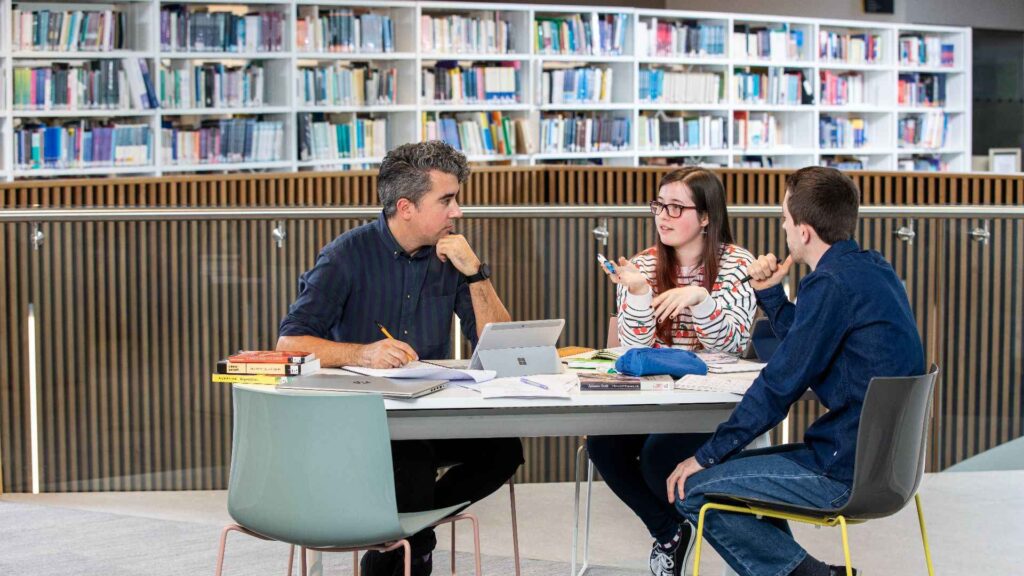
Teaching and learning is by lectures and seminars, workshops, group activities, independent research projects and through our online Virtual Learning Environment (VLE). We have tutors and personal tutors on hand to provide support when it is needed.
How you'll be assessed
Assessment involves coursework and formal tests or examinations. Emphasis is placed on work produced in your own time or formally presented in class. You can expect to be assessed by critical essays, short analyses, individual/group oral presentations, poster presentations, research projects, blogs and group work. In your final year you may opt to write a dissertation on a specialised linguistic or literature theme, which you will research independently with one-to-one support from an expert supervisor.
Who will be teaching you
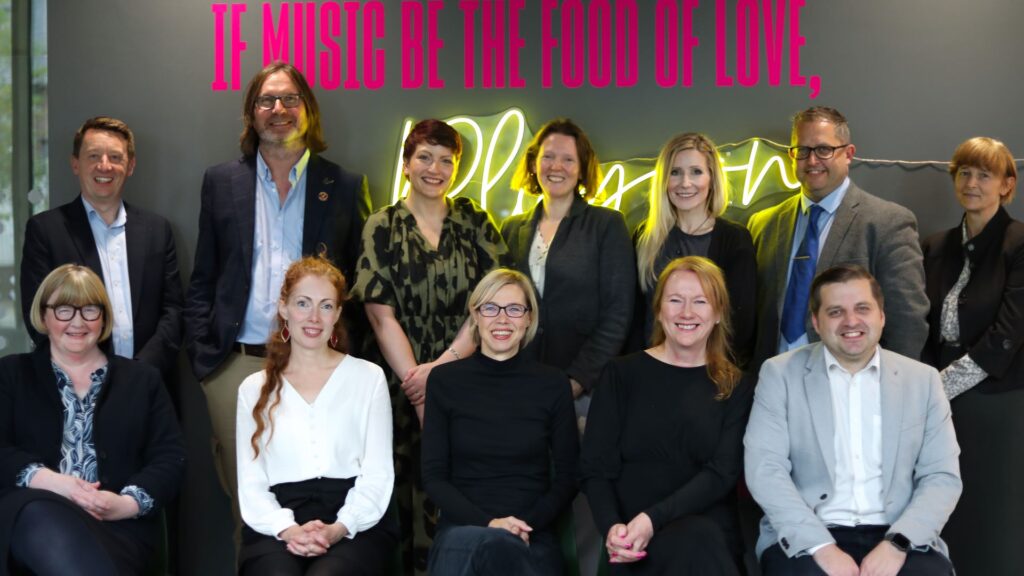
You will study in a large department with well qualified tutors who are recognised experts in their field. You will be carefully guided, no matter what area of English you decide to study. When you choose an option module, your tutor will be an active specialist in this area, producing and publishing current research. Our staff are active in research in all taught subject areas, publishing books and articles on a regular basis. Several have been successful in winning national research awards from bodies such as the British Academy, the Arts and Humanities Research Council and the Leverhulme Trust.
Optional modules provide an element of choice within the course curriculum. The availability of optional modules may vary from year to year and will be subject to minimum student numbers being achieved. This means that the availability of specific optional modules cannot be guaranteed. Optional module selection may also be affected by timetabling requirements. Some restrictions on optional module choice or combinations of optional modules may apply. In addition to the optional module choices listed, it may also be possible to apply to study an alternative 20-credit module in Year 2 and/or Year 3, chosen from outside the course curriculum. Some restrictions on this elective module choice may apply.
Entry criteria
Typical offer 112-120 UCAS Tariff points. No specific subjects are required.
If you don’t meet the entry criteria, you might be interested in Arts, Humanities and Social Sciences Foundation Year.
Example offers
| Qualification | Requirement |
|---|---|
| A Level | BBC-BBB. |
| UCAS Tariff points | 112-120 points. |
| BTEC Extended Diploma (or combination of BTEC QCF qualifications) | Distinction, Merit, Merit (DMM). |
| T Level | Overall grade of Merit. |
| International Baccalaureate (IB) | We are happy to accept IB qualifications which achieve the required number of UCAS Tariff points. |
| Access to Higher Education Diploma | 45 credits at Level 3, for example 15 credits at Distinction and 30 credits at Merit or 24 credits at Distinction and 21 credits at Merit. The required total can be attained from various credit combinations. |
English language requirements
International students require IELTS 6.0, with a score no lower than 5.5 in each individual component, or an equivalent English language qualification.
Fair Entry Criteria
Our new Fair Entry Criteria is a Contextual Admissions Policy that takes an applicant’s personal and educational background into account. This policy will allow eligible applicants to receive up to a two-grade reduction in their entry requirements for this course. Find out more and see if you qualify.
How to apply
Apply full-time
Read our guide to applying through UCAS to find out more about the application process.
International
This course is now closed to international applicants for September 2026 entry.
Should you accept an offer of a place to study with us and formally enrol as a student, you will be subject to the provisions of the regulations, rules, codes, conditions and policies which apply to our students. These are available at www.edgehill.ac.uk/studentterms.
At Edge Hill, we believe Clearing is a new beginning - a chance to choose a university that believes in your ambition, invests in your future and supports you every step of the way. Our Clearing team is here to help you take the next step.
Apply through ClearingFind out about Clearing
Facilities
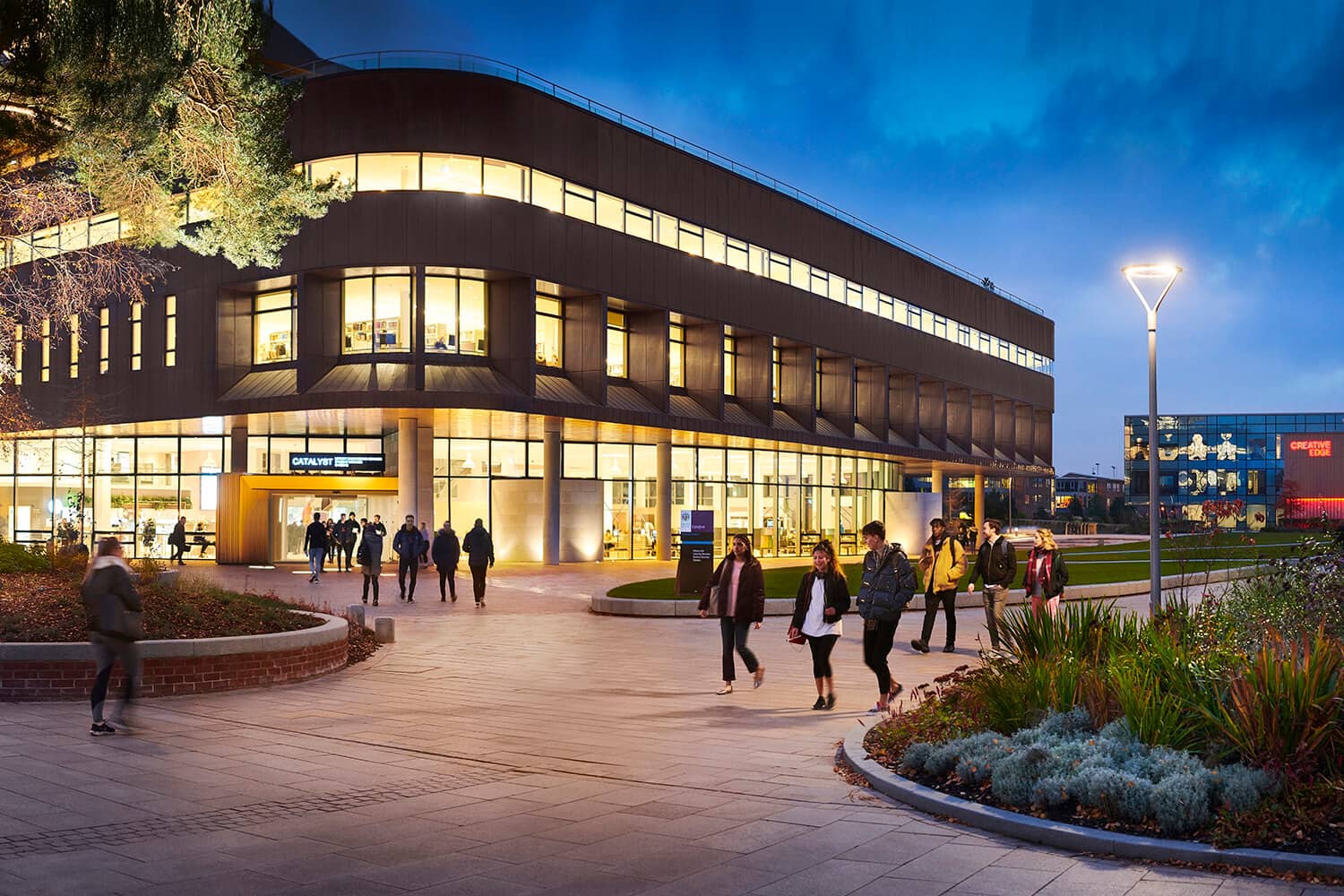
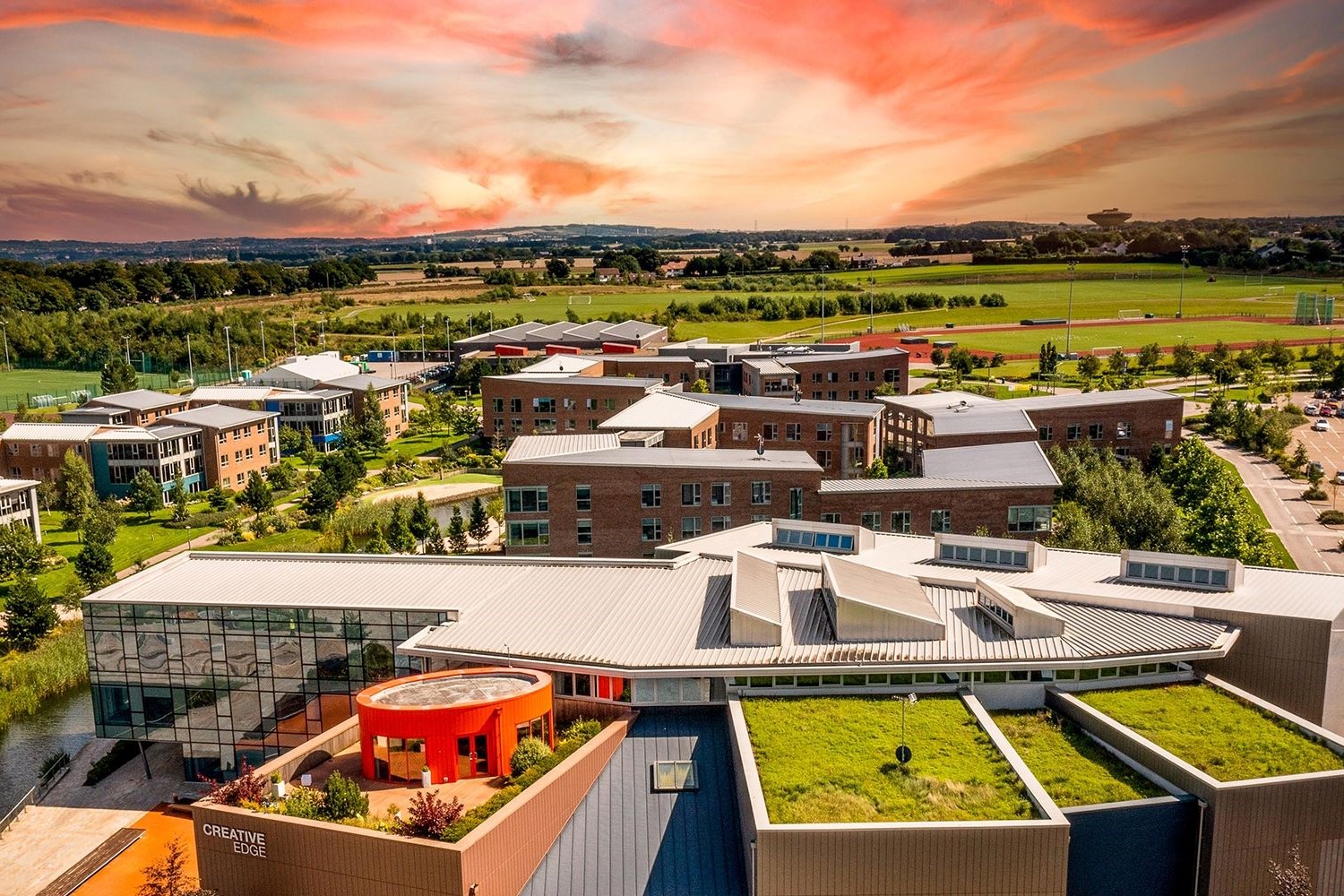
The Department of English and Creative Arts is based in Creative Edge, a state-of-the-art £17million building offering highly contemporary facilities.
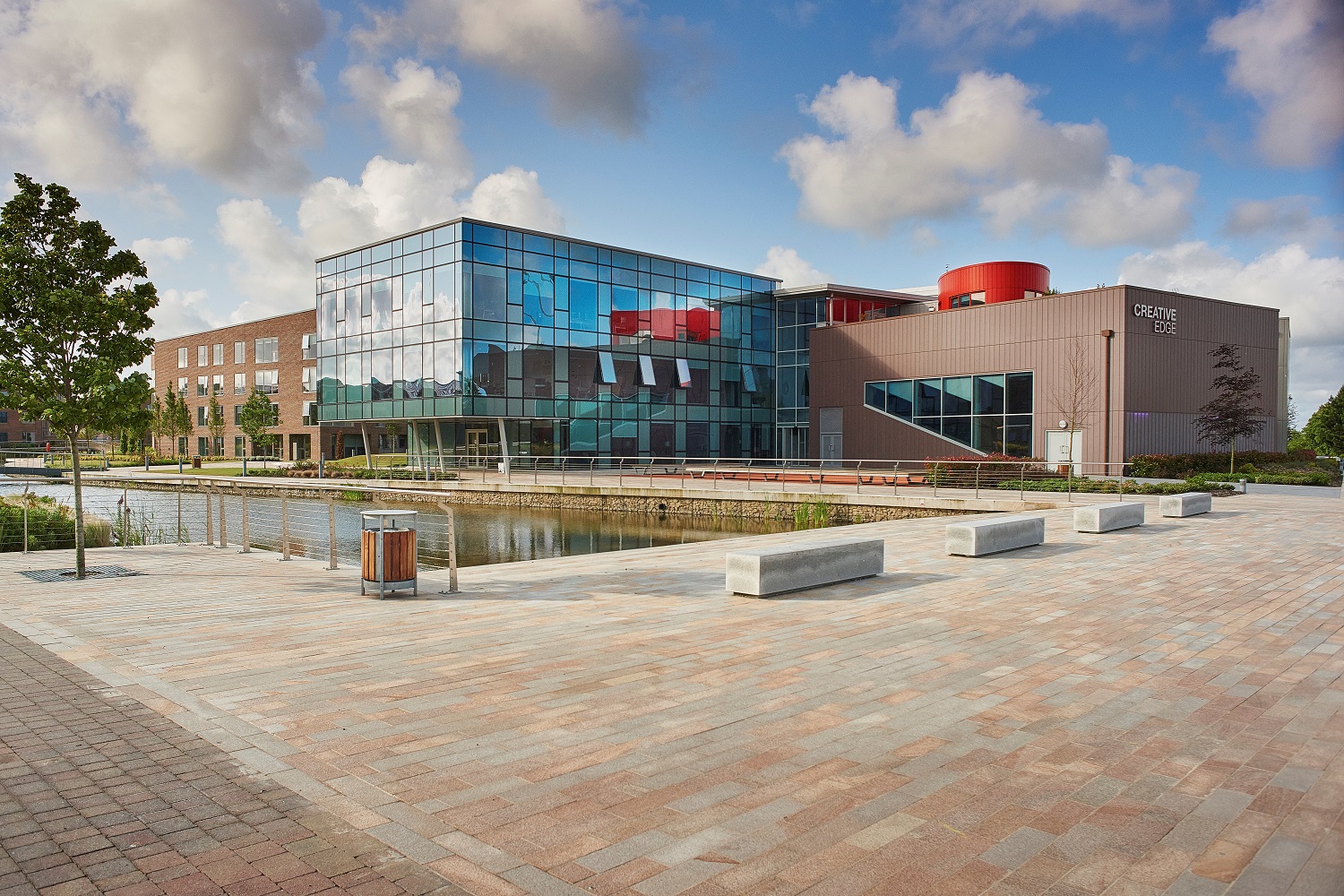
The £17 million Creative Edge building features a lecture theatre, seminar rooms, IT facilities and smaller tutorial spaces. It has everything you need to become a capable, versatile, creative writer and thinker. Creative Edge’s social learning spaces are ideal for passionate discussion with like-minded creatives.
You’ll develop the practical skills, analytical tools and confidence for wherever your creative flair and insight takes you.
Where you'll study
Finance
Tuition fees
UK Full-Time
£9,790
a year
International
£14,500
a year
EU/EEA and Swiss students who have settled or pre-settled status under the EU Settlement Scheme, as well as Irish nationals, may be eligible for the UK tuition fee rate.
Financial support
Subject to eligibility, UK students joining this course can apply for a Tuition Fee Loan from the Government to cover the full cost of tuition fees. UK students enrolling on the course may also be eligible to apply for additional funding to help with living costs.
Scholarships
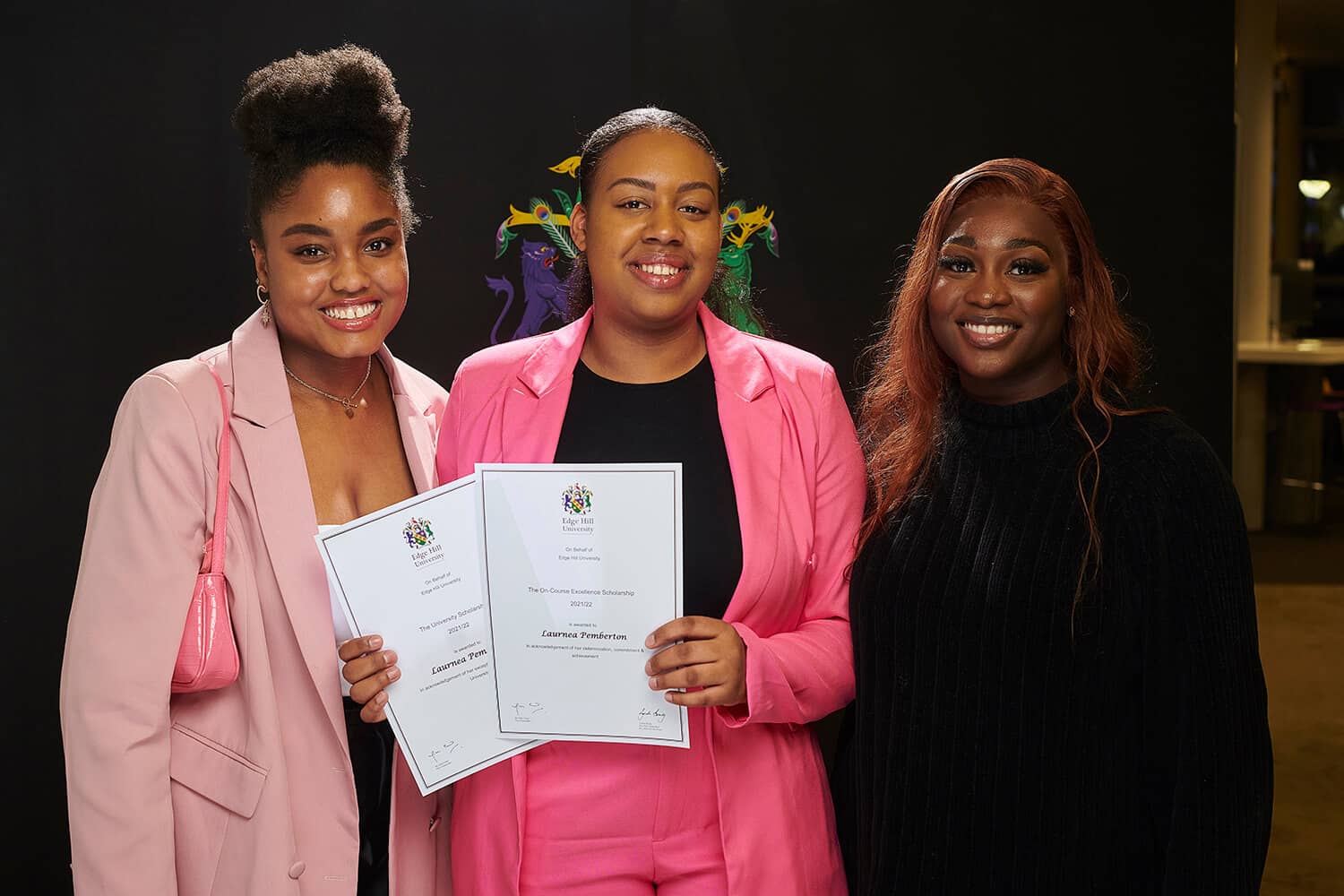
We offer a range of scholarships, which celebrate the determination, commitment and achievement of our students. Many of our scholarships are awarded automatically. There are some however, where you will need to be involved in an application or nomination process. To find out more about our scholarships and check your eligibility, please visit our dedicated scholarships pages.
Money Matters
Please view the relevant Money Matters guide for comprehensive information about the financial support available to eligible UK students.
EU/EEA and Swiss students who have settled or pre-settled status under the EU Settlement Scheme may be eligible to apply for financial support. Irish nationals can ordinarily apply to Student Universal Support Ireland (SUSI). If you are an EU student who does not have settled or pre-settled status, or are an international student from a non-EU country, please see our international student finance pages.
Tuition fees
UK Full-Time
£10,050
a year
International
TBC
a year
EU/EEA and Swiss students who have settled or pre-settled status under the EU Settlement Scheme, as well as Irish nationals, may be eligible for the UK tuition fee rate.
Financial support
Subject to eligibility, UK students joining this course can apply for a Tuition Fee Loan from the Government to cover the full cost of tuition fees. UK students enrolling on the course may also be eligible to apply for additional funding to help with living costs.
Scholarships
We offer a range of scholarships, which celebrate the determination, commitment and achievement of our students. Many of our scholarships are awarded automatically. There are some however, where you will need to be involved in an application or nomination process. To find out more about our scholarships and check your eligibility, please visit our dedicated scholarships pages.
Money Matters
Please view the relevant Money Matters guide for comprehensive information about the financial support available to eligible UK students.
EU/EEA and Swiss students who have settled or pre-settled status under the EU Settlement Scheme may be eligible to apply for financial support. Irish nationals can ordinarily apply to Student Universal Support Ireland (SUSI). If you are an EU student who does not have settled or pre-settled status, or are an international student from a non-EU country, please see our international student finance pages.
Your future career
So what can you become with a degree in English? There are many options available to English graduates, who are empowered to forge their own paths. The skills gained during our degree are transferable across a myriad of industries and careers, such as:
- publishing
- marketing and social media
- hospitality
- business management and consultancy
- law
- journalism
- public and voluntary sectors
- teaching (further training required)
- language or speech therapy (further training required)
Many go on to further study at Masters level and PhD, while some have filled excellent roles such as:
- Senior production editor
- Communications assistant
- Whole school literacy coordinator
- Talent coordinator
Our graduates are trained to be excellent communicators and critical thinkers. This course is a great foundation for a diverse range of careers and industries.