Biotechnology BSc (Hons)
UCAS code: B217
Be at the cutting edge of genetic engineering, biomedicine, molecular biology and microbiology. Supported by extensive practical work, you’ll learn to use industrial techniques on our degree in biotechnology, one of the fastest-growing areas of science.
Overview
| Course length: | 3 years full-time 6 years part-time |
|---|---|
| Start dates: | September 2026 |
| Location: | Edge Hill University |
| Example offers: | BBC-BBB (A Level) or DMM (BTEC) |
| Subject(s): | Biology and Biosciences |
| Faculty: | Arts and Sciences |
| Department: | Biology |

Harness biotechnology to address society’s biggest challenges, including disease and food production.
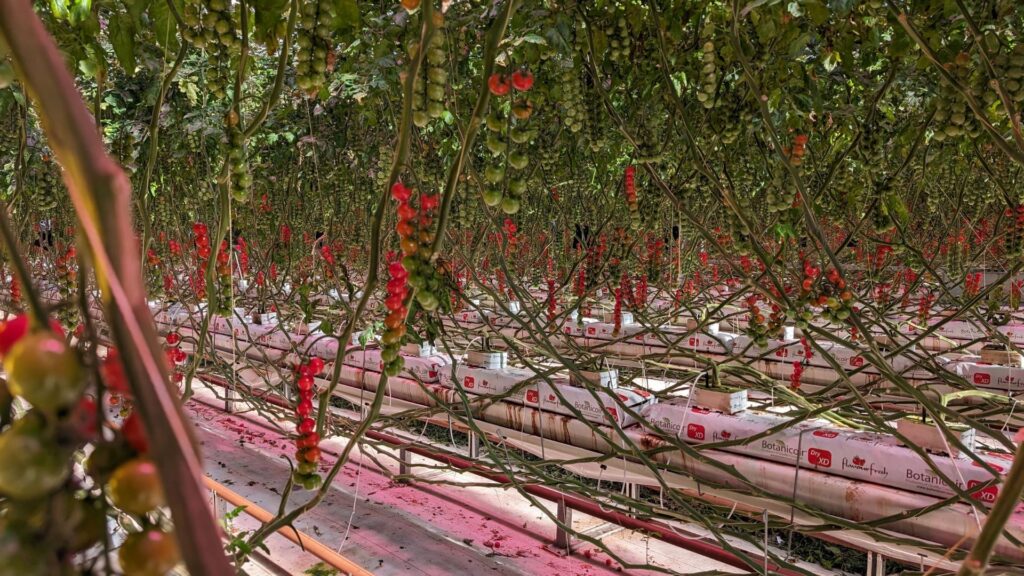
Our biotechnology degree covers the creation of synthetic human insulin, biomedical scientific breakthroughs, innovative biomedical technologies and the production of genetically modified foods. It’s based in molecular biology, genetics, cell biology, biochemistry and microbiology and their related laboratory techniques, but its uses go well beyond these disciplines, covering medicine, agriculture and environmental management.
You’ll be taught by staff with interdisciplinary expertise who are also research active scientists. Their insights from the latest scientific developments feed directly into your learning, giving you an up-to-date and applied understanding of the field.
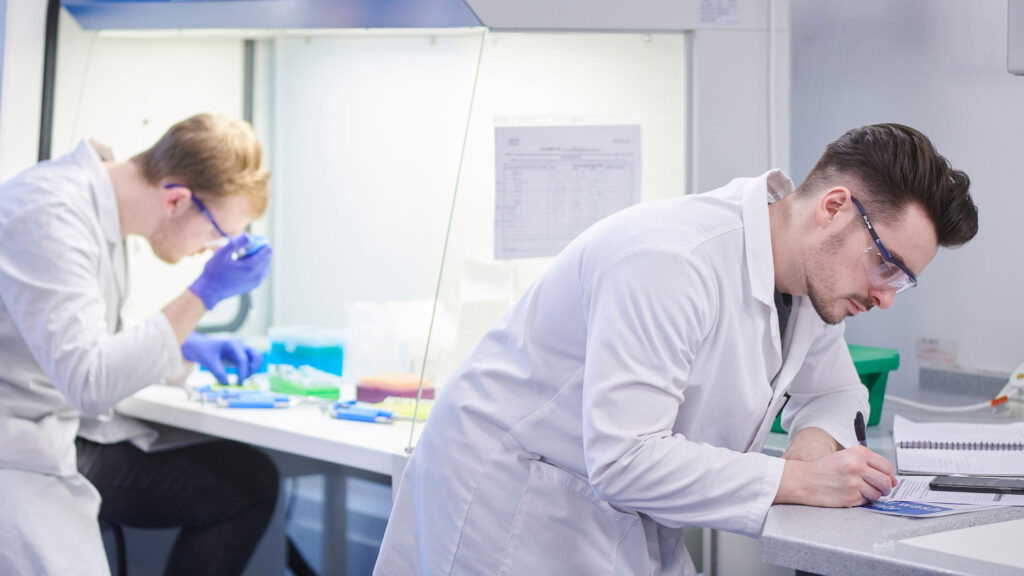
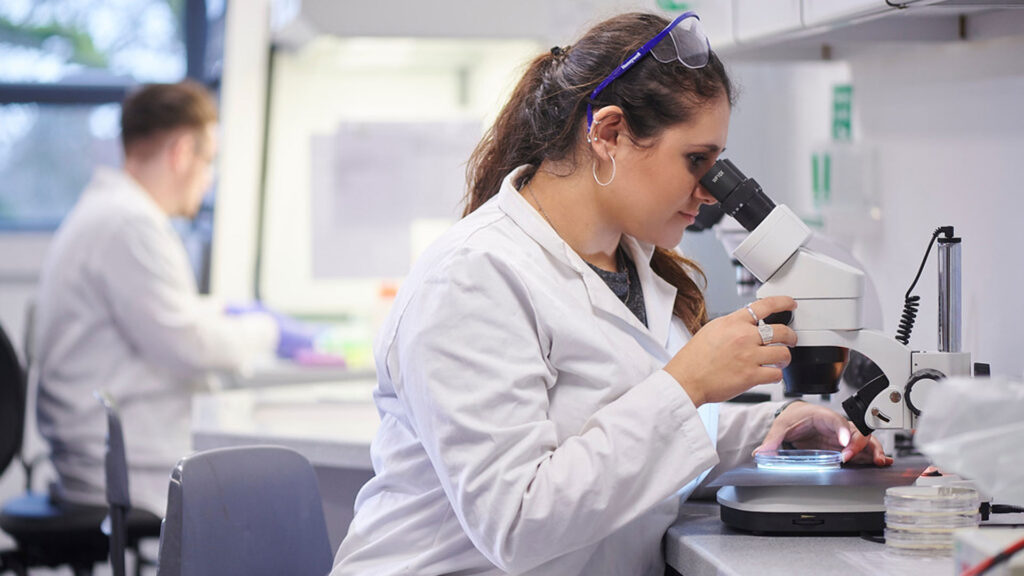
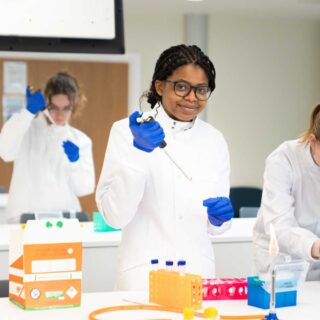
You’ll go beyond the classroom with visits to biotechnology companies, gaining first-hand insight into how the sector works. You’ll also spend plenty of time in practical sessions, making the most of our industry-standard facilities, including a scanning electron microscope, DNA extraction and purification labs, and our specialist microbiology suite.
Biotechnology is one of the fastest-growing areas of science, tackling some of the world’s biggest challenges. Studying this subject at Edge Hill University will not only give you cutting-edge knowledge but also the hands-on experience that employers look for, opening doors to a wide range of careers in biotechnology and related industries.
Course features
-
International students can apply
-
Sandwich year option available
-
Studying abroad option available
What you'll study
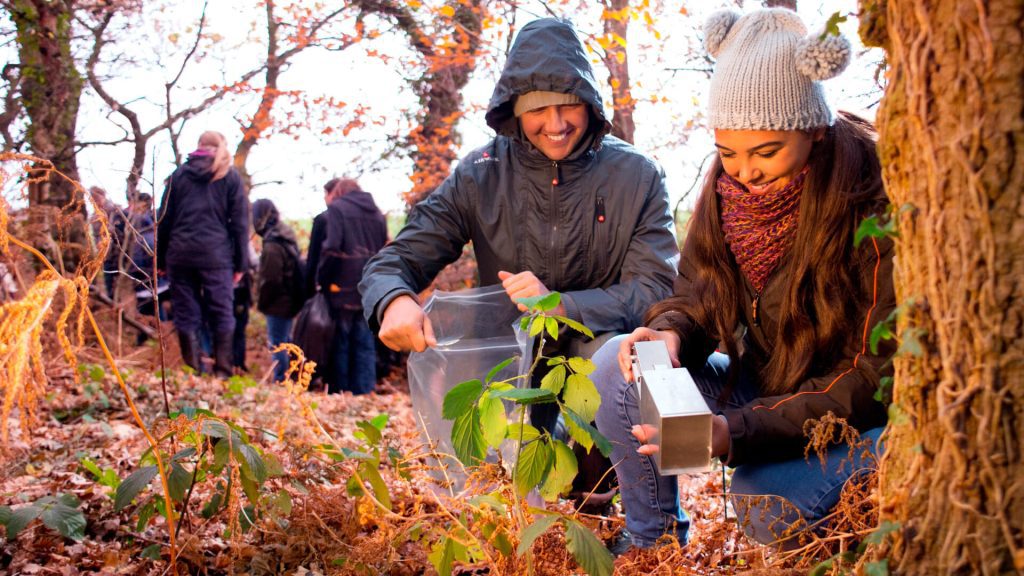
Trace the evolution of life, examining the diversity of plants and animals, including humans. Take part in residential fieldwork, where we’ll show you how to complete biological research. And broaden your knowledge of the discipline through modules in cell biology and genetics.
In Year 2, you’ll spend lots of time in our labs, boosting your knowledge of biotechnology. This will help you gain a well-rounded understanding in disciplines at the core of the subject, including molecular genetics and biochemistry. You’ll also develop hands-on experience in using software for analysing and interpreting data.
Now you have the core theory and practical skills you need, you can explore the applications of biotechnology without restriction. You’ll study areas such as genetic engineering, agriculture, and pollution control, and focus on product development or produce impact as part of your independent research project.
How you'll study
The programme has a strong practical base. Learning involves lectures, practical work, tutorials and fieldwork. The department has a wide range of practical facilities and we are keen to develop student skills in the areas of microscopy, microbiology and DNA technologies.
How you'll be assessed
Modules are assessed by a mixture of coursework and examination tailored to suit the subject area of each module. An extremely wide range of coursework is employed which may include practical portfolios, project reports, website development, product development, plus individual and group oral presentations.
Who will be teaching you
Edge Hill University has over 30 years’ experience in delivering biology-based degrees and has a wealth of experienced tutors, technical staff and field and laboratory equipment to support the study of biotechnology. The Biology department is friendly and approachable and of a size that enables us to know our students personally.
Our experienced and knowledgeable staff take pride in the quality of their teaching. Their research activity means they keep up-to-date with current developments in their areas of interest and pass this knowledge onto their students.
An extensive network of relationships has been established with relevant environmental organisations and other universities in the UK and overseas, ensuring a rich, diverse and rewarding student experience. Visiting speakers assist in the delivery of the programme, often presenting unique or novel aspects of particular subjects.
Where your course includes optional modules, these are to provide an element of choice within the course curriculum. The availability of optional modules may vary from year to year and will be subject to minimum student numbers being achieved. This means that the availability of specific optional modules cannot be guaranteed. Optional module selection may also be affected by timetabling requirements. Some restrictions on optional module choice or combinations of optional modules may apply.
Entry criteria
Typical offer 112-120 UCAS Tariff points, preferably to include Biology or a related subject, such as Chemistry or Physics, plus GCSE Mathematics at Grade C or Grade 4 or above (or equivalent).
Other subjects will be considered if you have demonstrable interest or experience in biotechnology.
Example offers
| Qualification | Requirement |
|---|---|
| A Level | BBC-BBB. |
| UCAS Tariff points | 112-120 points. |
| BTEC Extended Diploma (or combination of BTEC QCF qualifications) | Distinction, Merit, Merit (DMM). |
| T Level | Overall grade of Merit. |
| International Baccalaureate (IB) | We are happy to accept IB qualifications which achieve the required number of UCAS Tariff points. Subject-specific requirements at Higher Level (HL) Grade 5 may apply. |
| Access to Higher Education Diploma | 45 credits at Level 3, for example 15 credits at Distinction and 30 credits at Merit or 24 credits at Distinction and 21 credits at Merit. The required total can be attained from various credit combinations. |
Please note, the above examples may differ from actual offers made. A combination of A Level and BTEC awards may also be accepted.
If you have a minimum of two A Levels (or equivalent), there is no maximum number of qualifications that we will accept UCAS points from. This includes additional qualifications such as Extended Project Qualification (EPQ), AS Levels that haven't been continued to A Level, and General Studies AS or A Level awards.
English language requirements
International students require IELTS 6.0, with a score no lower than 5.5 in each individual component, or an equivalent English language qualification.
If your current level of English is half a band, one band, or one-and-a-half bands lower, either overall or in one or two elements, you may want to consider our Pre-Sessional English course.
Fair Entry Criteria
Our new Fair Entry Criteria is a Contextual Admissions Policy that takes an applicant’s personal and educational background into account. This policy will allow eligible applicants to receive up to a two-grade reduction in their entry requirements for this course. Find out more and see if you qualify.
How to apply
Apply full-time
Read our guide to applying through UCAS to find out more about the application process.
International
Please see our international student pages for further information about how to apply as a prospective international student.
Should you accept an offer of a place to study with us and formally enrol as a student, you will be subject to the provisions of the regulations, rules, codes, conditions and policies which apply to our students. These are available at www.edgehill.ac.uk/studentterms.
If you join a full time undergraduate degree at Edge Hill University, we will guarantee you the offer of a room in our halls of residence for the first year of your course.
Discover our accommodation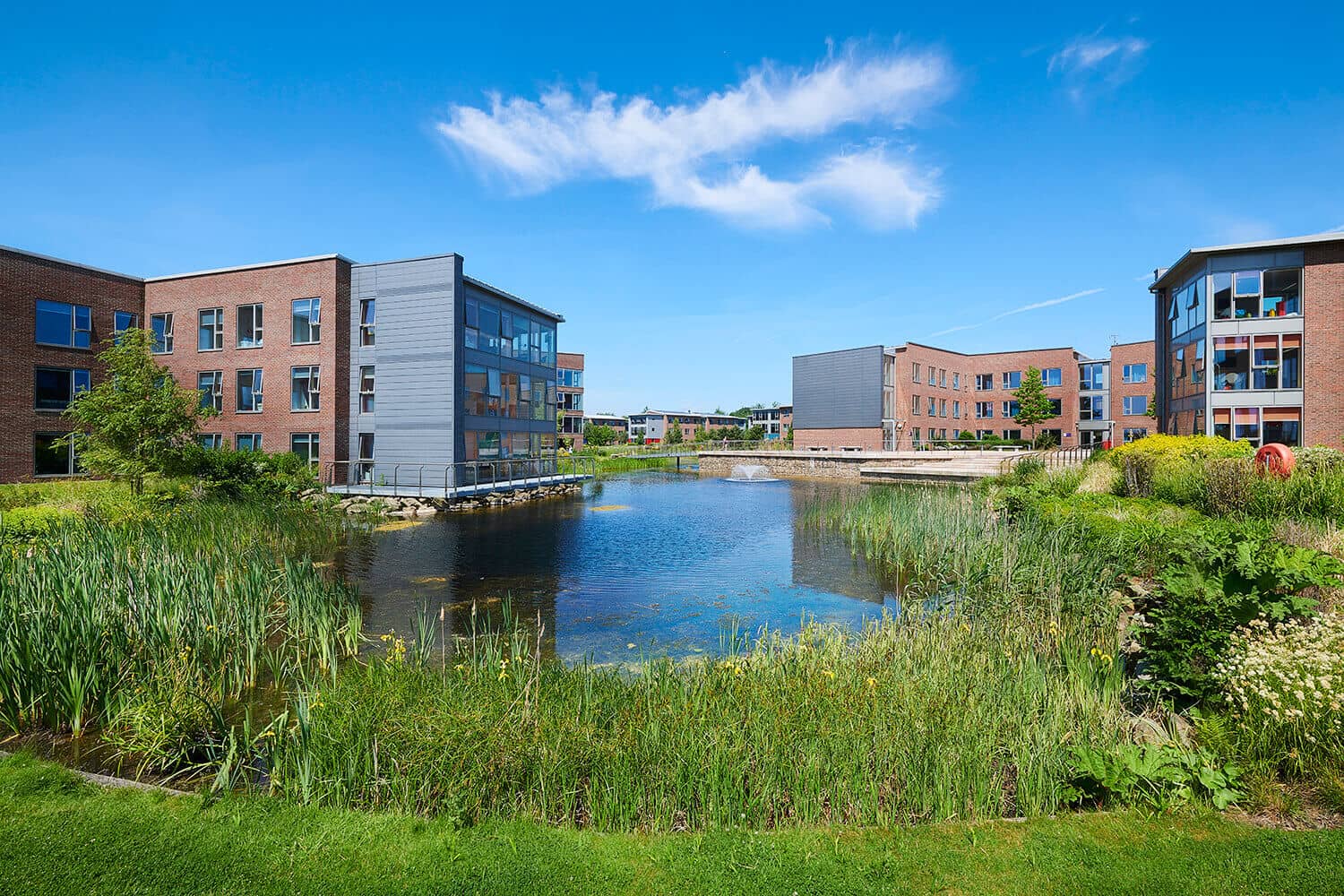
Facilities
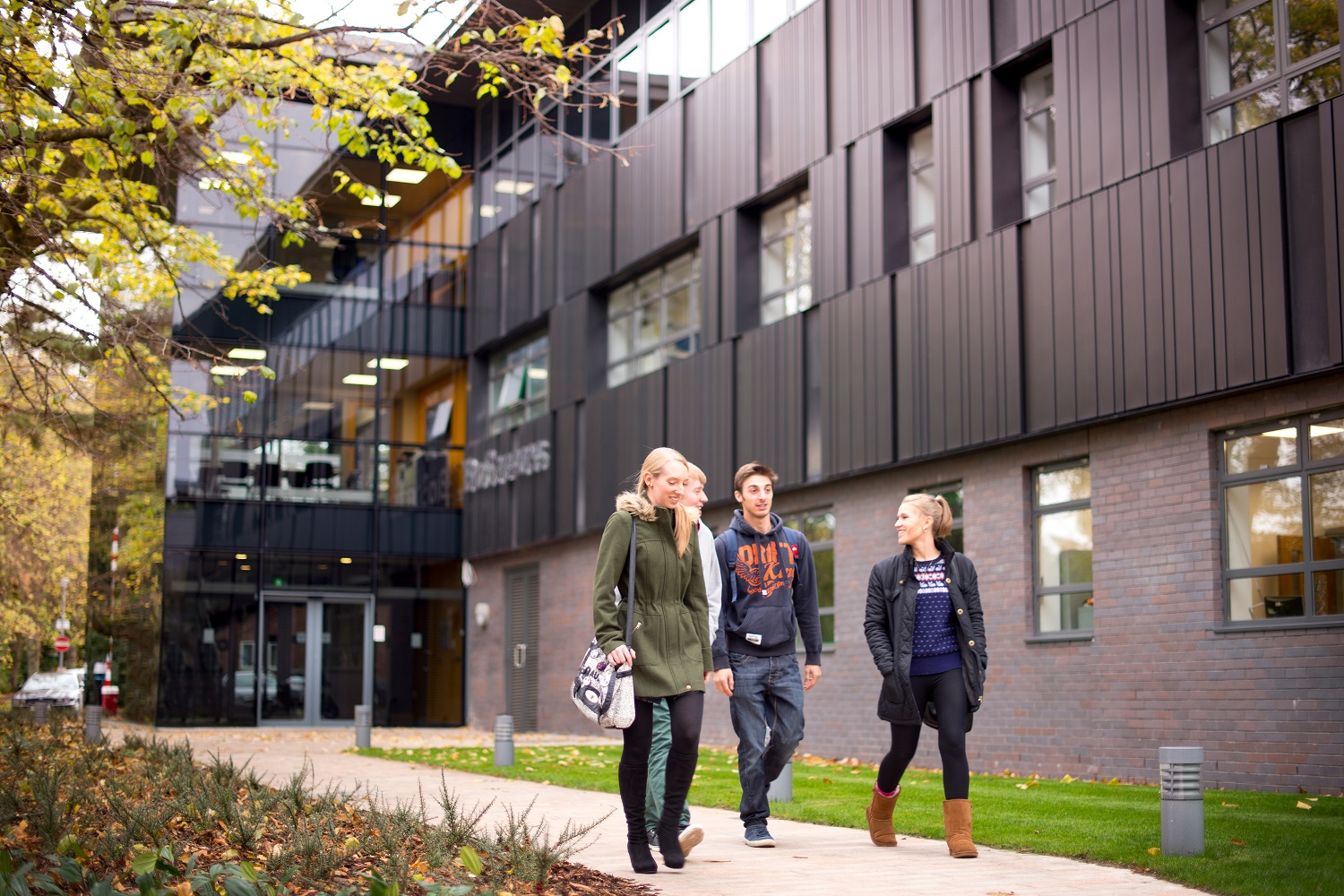 Our BioSciences building incorporates impressive, modern laboratories, offering exciting and highly relevant practical experience in some of the best equipped facilities in the country. Resources include fluorescence and scanning electron microscopes, DNA extraction and analysis equipment, and climate controlled insectaries.
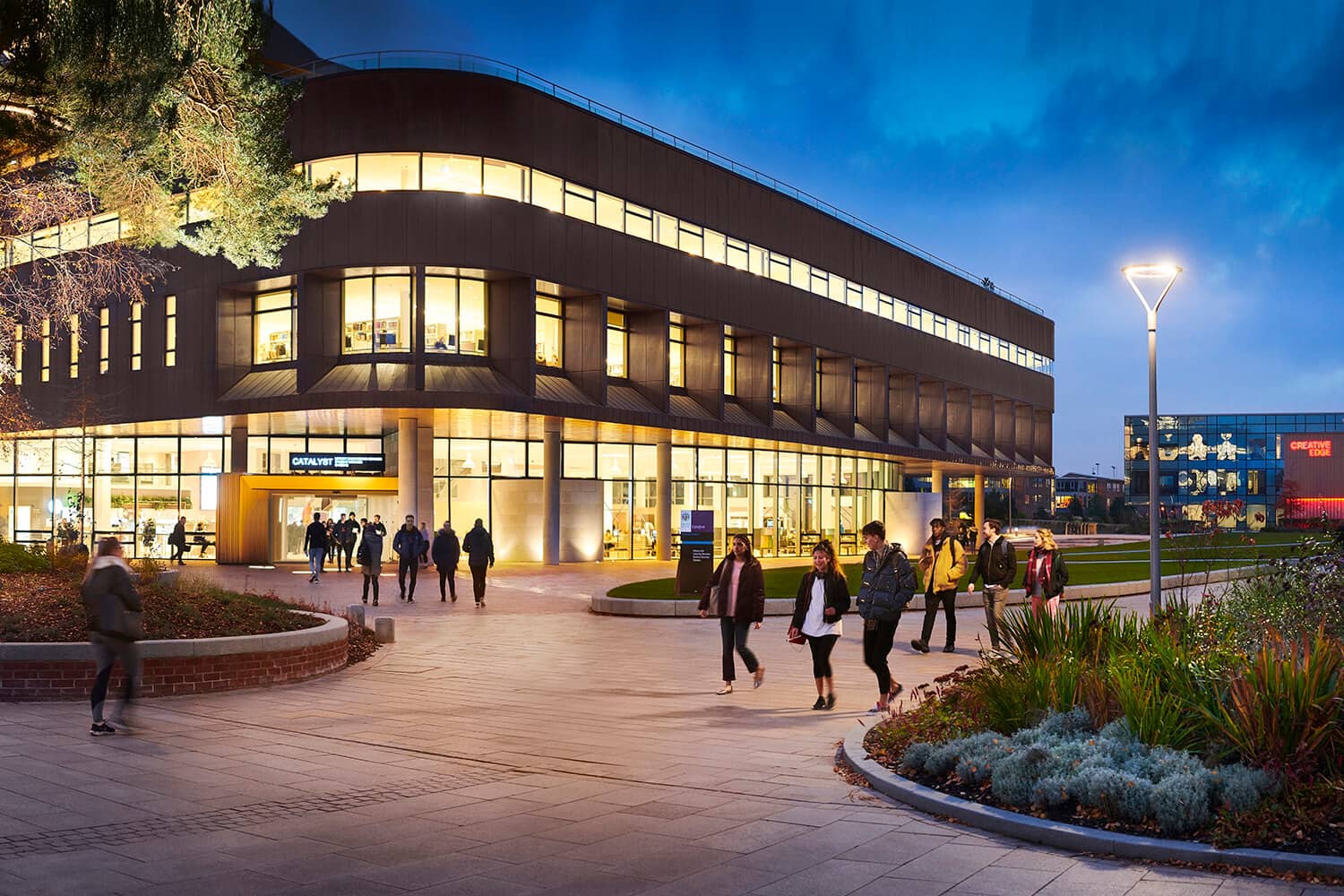
You will benefit from our brand-new £17.4m Life Sciences building, featuring dedicated student research labs for learning advanced cell culture and histology techniques.
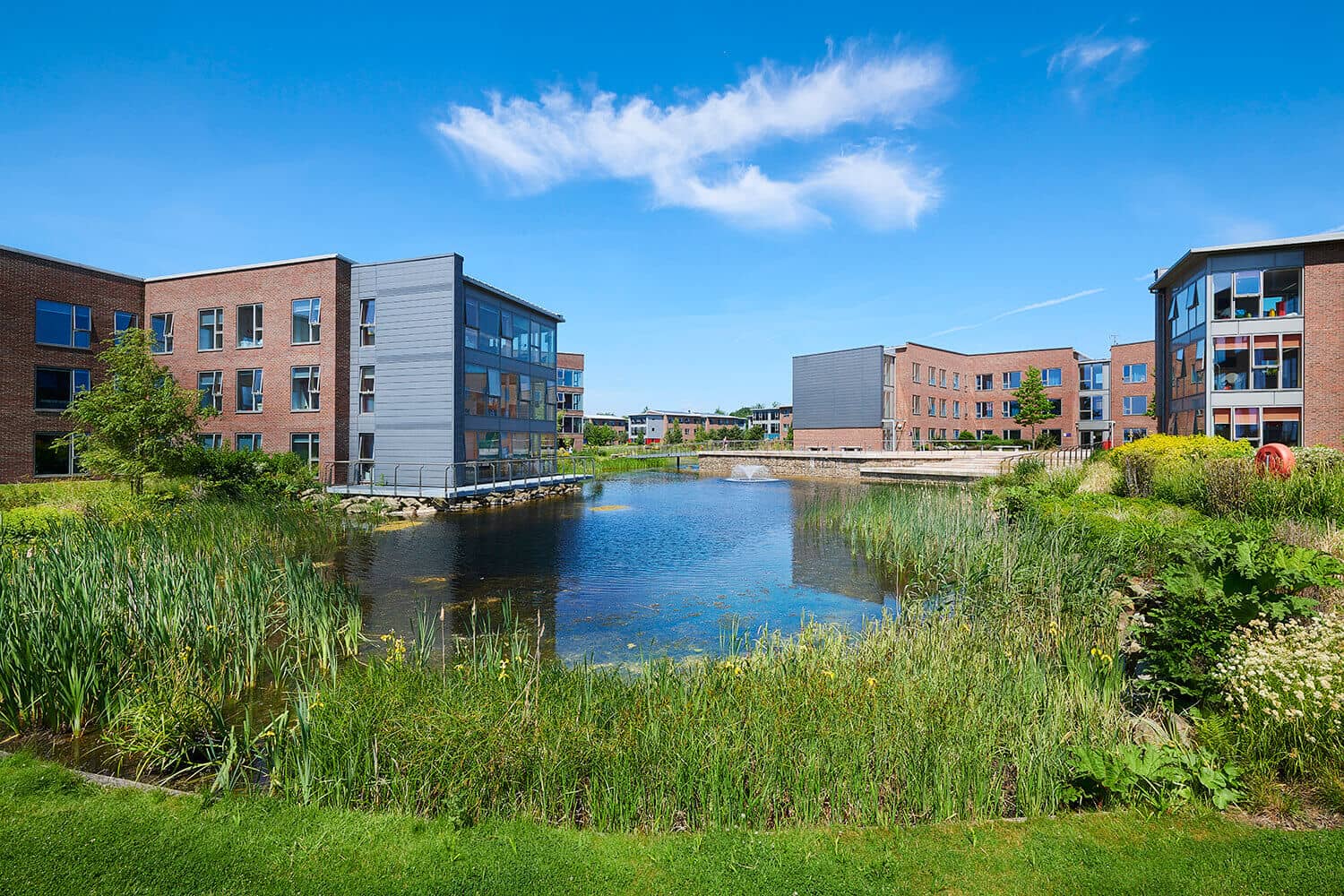
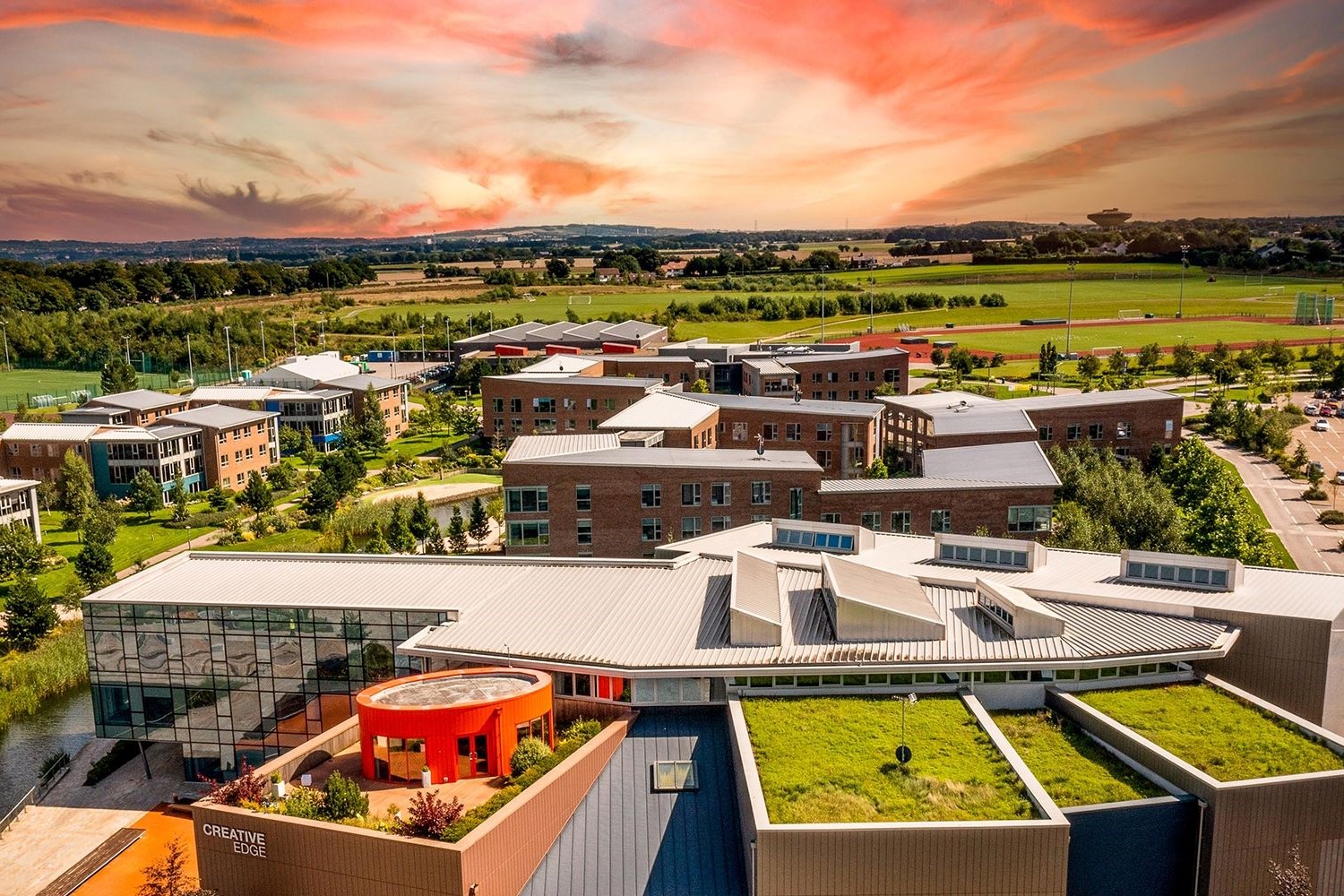
A number of the best nature reserves in the country are in close proximity to the campus. You will be taught within a short travelling distance of impressive field sites such as one of the finest saltmarsh and dune systems in Europe, restored mires of international importance, hay meadows and limestone woodlands. The University also has extensive grounds including meadows which serve as a useful area for demonstrating sampling techniques.
Where you'll study
Finance
Tuition fees
UK Full-Time
£9,790
a year
UK Part-Time
TBC
a year
International
£18,000
a year
EU/EEA and Swiss students who have settled or pre-settled status under the EU Settlement Scheme, as well as Irish nationals, may be eligible for the UK tuition fee rate.
Financial support
Subject to eligibility, UK students joining this course can apply for a Tuition Fee Loan from the Government to cover the full cost of tuition fees. UK students enrolling on the course may also be eligible to apply for additional funding to help with living costs.
Scholarships
We offer a range of scholarships, which celebrate the determination, commitment and achievement of our students. Many of our scholarships are awarded automatically. There are some however, where you will need to be involved in an application or nomination process. To find out more about our scholarships and check your eligibility, please visit our dedicated scholarships pages.
Money Matters
Please view the relevant Money Matters guide for comprehensive information about the financial support available to eligible UK students.
EU/EEA and Swiss students who have settled or pre-settled status under the EU Settlement Scheme may be eligible to apply for financial support. Irish nationals can ordinarily apply to Student Universal Support Ireland (SUSI). If you are an EU student who does not have settled or pre-settled status, or are an international student from a non-EU country, please see our international student finance pages.
Tuition fees
UK Full-Time
£9,535
a year
UK Part-Time
£79 per credit
for 360 credits
International
£17,000
a year
EU/EEA and Swiss students who have settled or pre-settled status under the EU Settlement Scheme, as well as Irish nationals, may be eligible for the UK tuition fee rate.
Financial support
Subject to eligibility, UK students joining this course can apply for a Tuition Fee Loan from the Government to cover the full cost of tuition fees. UK students enrolling on the course may also be eligible to apply for additional funding to help with living costs.
Scholarships
We offer a range of scholarships, which celebrate the determination, commitment and achievement of our students. Many of our scholarships are awarded automatically. There are some however, where you will need to be involved in an application or nomination process. To find out more about our scholarships and check your eligibility, please visit our dedicated scholarships pages.
Money Matters
Please view the relevant Money Matters guide for comprehensive information about the financial support available to eligible UK students.
EU/EEA and Swiss students who have settled or pre-settled status under the EU Settlement Scheme may be eligible to apply for financial support. Irish nationals can ordinarily apply to Student Universal Support Ireland (SUSI). If you are an EU student who does not have settled or pre-settled status, or are an international student from a non-EU country, please see our international student finance pages.
Your future career
So what can you do with a biotechnology degree? You’ll have a range of options open to you across biological and wider graduate employment.
Our biotechnology graduates are working with the likes of Rentokil Initial and Whickham Laboratories, in pharmaceutical and biotechnology companies (e.g. Lonza) as well as the NHS. Their titles include technologist, laboratory supervisor, and research scientist.
After completing this course, many of our students go on to study postgraduate degrees with us and go on to succeed in more specialist biotechnology roles. That’s why we think it’s wise to consider postgraduate study as part of your next steps.
You might also consider working on biotechnological advances in a laboratory.
Course changes
Every effort has been made to ensure the accuracy of this information, however our courses are subject to ongoing review and development. Changing circumstances may necessitate alteration to, or the cancellation of, courses.
Changes may be necessary to comply with the requirements of professional bodies, revisions to subject benchmarks statements, to keep courses updated and contemporary, or as a result of student feedback. We reserve the right to make variations if we consider such action to be necessary or in the best interests of students.