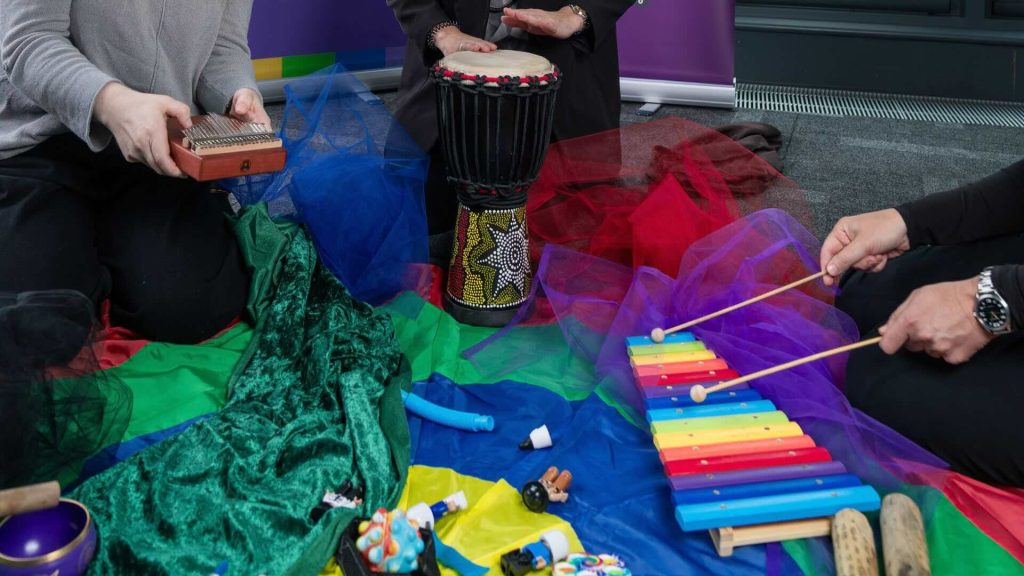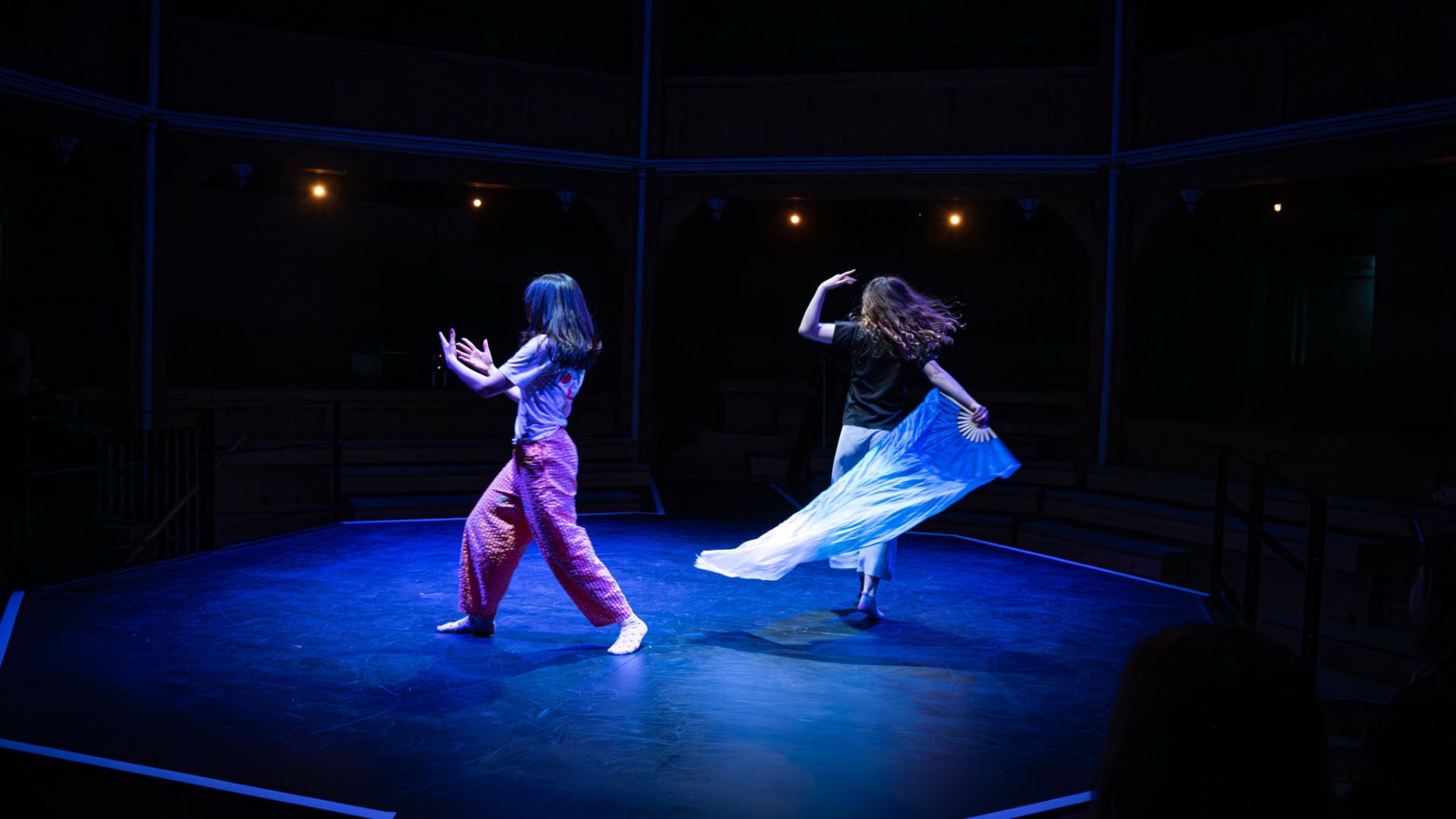
This systematic review and meta-analysis brought together evidence from 100 studies across 29 countries, examining how the arts and arts therapies affect the mental health of children and young people aged between five and 24.
Professor Vicky Karkou, Director of the Research Centre for Arts and Wellbeing at Edge Hill University, leading on this work, said:
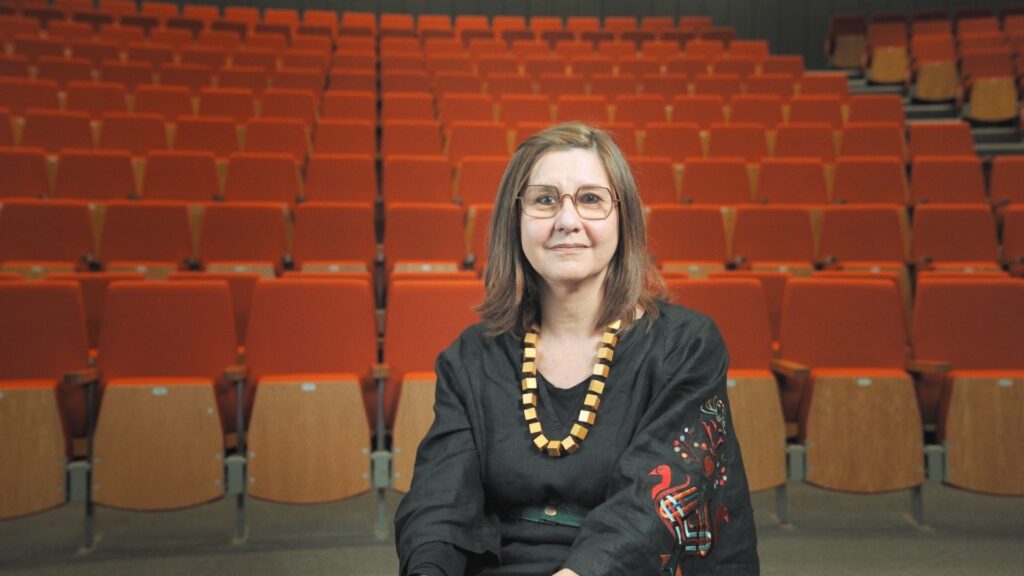
“This global synthesis of evidence clearly suggests that the arts and arts therapies can play an important role in supporting the mental health of children and young people. We saw improvements that were often comparable to similar reviews of other psychosocial interventions, including talking therapies.
“Findings suggest that taking part in arts-based activities can reduce depression and anxiety, improve wellbeing and quality of life.
“Largest benefits were seen for nine–13 year olds, multimodal and active participation, suggesting that arts-based interventions could be considered as appropriate options across a stepped-care approach.
“Furthermore, commissioners should prioritise active, group-based and culturally responsive arts-based interventions for young populations at greater risk of unmet needs as appropriate to reduce stigma and barriers.”
Researchers also identified positive physical markers. On average, systolic blood pressure reduced by an average of 4.04 mmHg and heart rate reduced by 4.54 beats per minute in subset of studies that measured these, pointing towards a calming effect on the nervous system.
The studies covered six art forms: music, visual arts, craft and design, theatre and performance, dance and movement, literary arts and media. The research took place across clinical, educational, community and online settings.
It examined support for children and young people with mental health conditions or other vulnerabilities, as well as those from non-clinical populations.
The report is written in collaboration with colleagues from the University of Manchester, New York University, the Jameel Arts and Health Lab and the WHO Europe.
Dr Sarah Rhodes, Senior Lecturer in Biostatistics from University of Manchester, highlights the need for further research:
“This is an emerging field of research and the results appear promising. What is needed to confirm them is large, high-quality trials that directly compare arts and arts therapies to psychosocial interventions”

One in five children and young people in the UK are faced with mental health problems. With similarly high rates in Europe and internationally, the World Health Organisation (WHO)/Europe have called for urgent action to strengthen the support available to them. The Research Centre for Arts and Wellbeing (RCAW) team is helping to deepen understanding of how the arts can be used to improve mental health and wellbeing.
Dr Nils Fietje from WHO Europe, founding co-director of the Jameel Arts & Health Lab and co-author to this article, said:
“Since WHO/Europe’s 2019 review first mapped the evidence on arts and health, the case has continued to grow stronger. At a time when young people are reporting poorer mental health and public health resources are under significant stress, this review indicates that arts-based approaches can be an engaging, acceptable and evidence-informed part of a broader response.”
Professor Nisha Sajnani, co-author, founding co-director of the Jameel Arts & Health Lab, based at New York University Steinhard, concluded:
“This review gives policymakers a clear mandate to treat the arts and arts therapies as part of the youth mental health response: as an evidence-informed, acceptable and scalable form of support. With need far outpacing access to care, investment in arts-based interventions could expand the continuum of support, reach young people earlier and help close persistent gaps between need and care.”
Read ‘The effects of the arts and arts therapies on mental health..’ on the Lancet, eClinicalMedicine.
Find out more about the impact of arts research and Edge Hill University’s student mental health and wellbeing services.
October 16, 2026