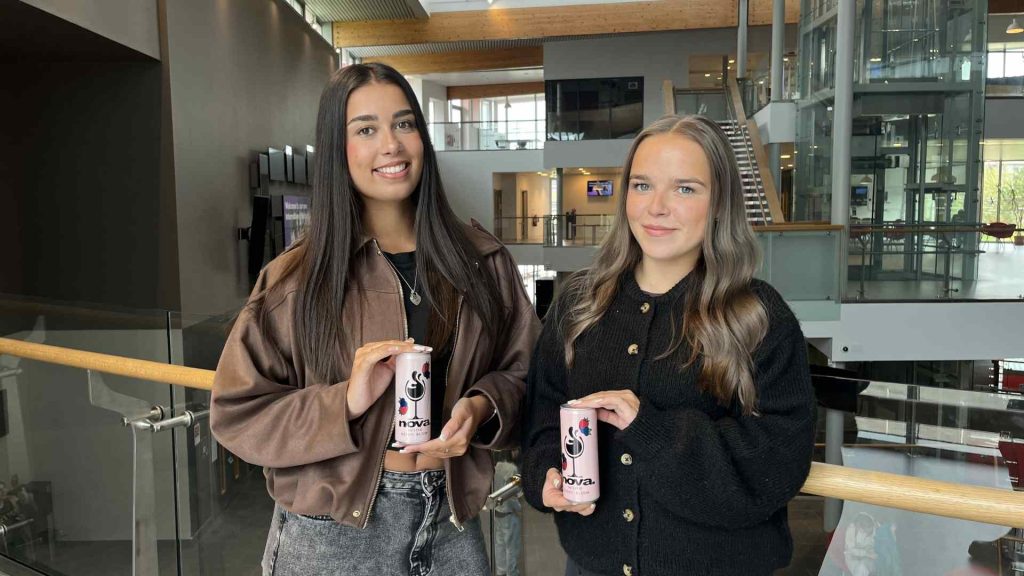
Autumn 2026. The start of a new academic year. Psychology students Eva and Brianna are talking to the new intake of undergraduates about their year studying in Japan. It’s something they never tire of, mostly because, in Eva’s words, ‘it’s a truly life-changing experience’, and who tires of talking about life-changing experiences?
As well as delivering multiple academic and cultural benefits, Japan is also the place where Eva and Brianna became fast friends. And now they’re sharing that bonding experience with a new cohort of potential boundary-pushers equally eager to dip a toe in the new, the different, the mind-expanding, maybe even the mind-blowing.
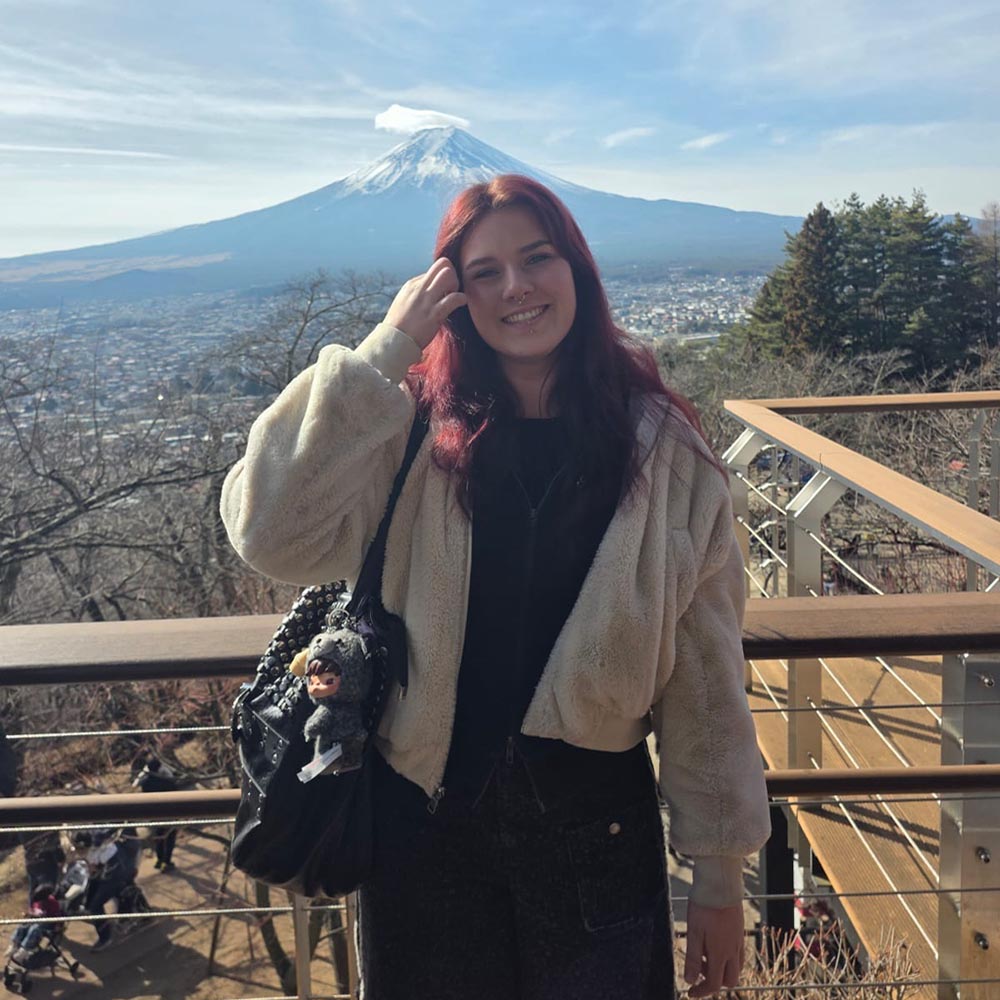
Eva will have been telling them about how she chose Japan ‘because [she] thought that’s where [she’d] be pushed the most. Different values, different culture, a completely different way of life.’ And how she ‘came out a different person.’
Brianna seconded those emotions, describing a ‘once-in-a-lifetime opportunity’. They chose to study in Japan, but the world was their oyster, really:
“Don’t overthink it, go!” urges Brianna. “You will make friends, you will learn the language, you will have more fun than you ever had, no matter where you choose to go.”

“The experience in Japan changed my life in every way,” continues Brianna. “The people, the culture, the history, the nightlife.”
At Tokyo’s Chuo University Eva and Brianna had the opportunity to learn subjects they’d never studied before, enrolling on courses covering public relations, economics, governance, and environmental politics.
But it was always as much about the personal cultural and social revolutions they underwent, sometimes together, sometimes during a solo adventure. Tokyo introduced them to culture, fashion and new foods. They jumped right in.
And they didn’t stick to Tokyo. Brianna bulleted around the country, visiting at least five other cities. Eva was also on a voyage of self-discovery. She found that she really thrives in a big city environment, ‘not something I originally thought about myself at all’, admits the Lithuanian who went from a quiet town of around 40,000 to bustling Tokyo’s 14 million. With that injection of self-confidence, the budding neuropsychologist is now applying for internships in London and New York.
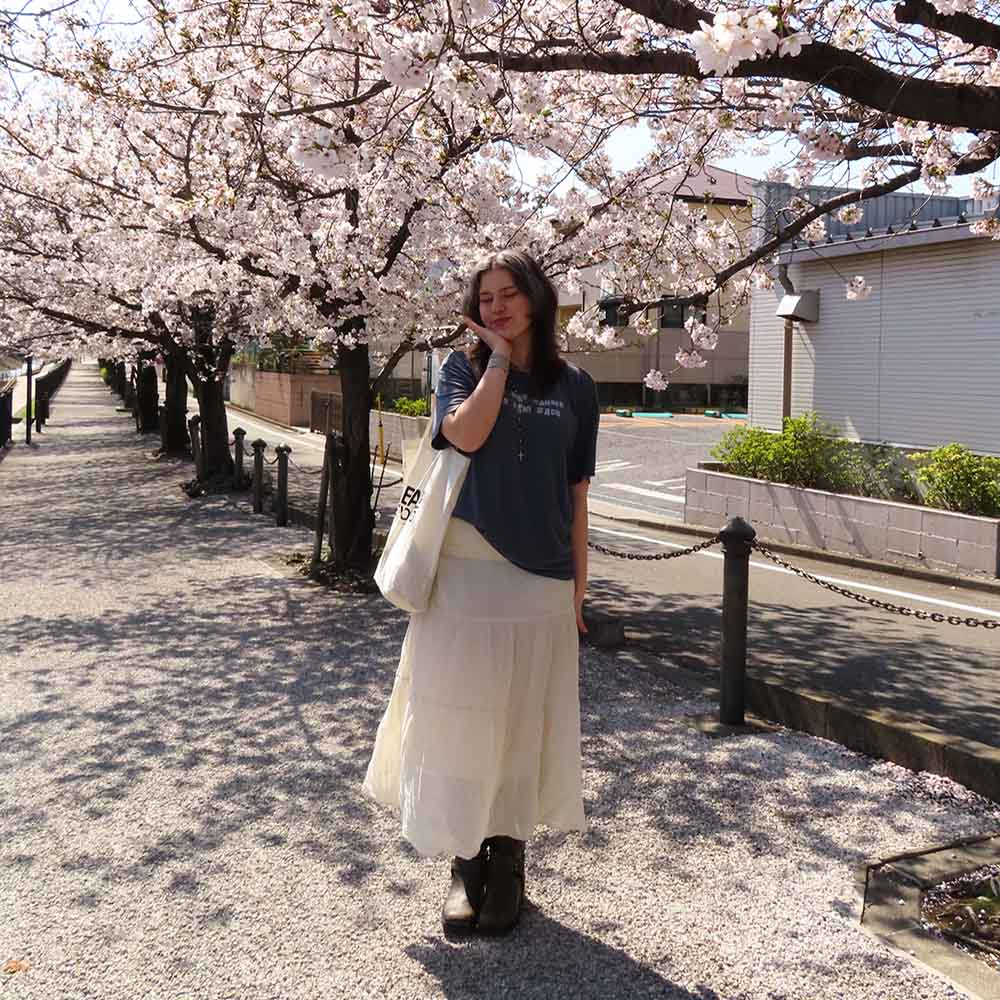

“You learn so much about yourself when you’re set free alone in a different country,” explains Eva. She was nervous about applying for a Japanese university, but overcame her fears of flying to the Far East with a little encouragement from the careers and Study Abroad teams. She hasn’t looked back.
Other than the mind-expanding, culturally nurturing, empathy-embracing nature of the scheme, there are other, more tangible reasons to get involved in Study Abroad, says Senior Lecturer in Psychology Dr James Brand:
“Research by Universities UK International found that students who studied, worked or volunteered abroad during their degree were more likely to achieve a first-class degree, secure professional-level employment and earn higher average graduate salaries than students who didn’t undertake an international placement.”
The Psychology department actively encourage their students to seriously consider the opportunity to look at the world from a different place. Alternative perspectives will naturally inform their understanding of psychology, and the ways that culture and environment can influence how people think and develop.
“By studying at one of our international partner institutions, students can experience different approaches to psychology, education and culture, helping them develop a broader, more international perspective,” continues James. “As a department we’ve seen the successes of students who take up these opportunities, with students returning to Edge Hill with new perspectives, insights and experiences that can distinguish them from others when applying for graduate employment or further study, be it locally or globally.”
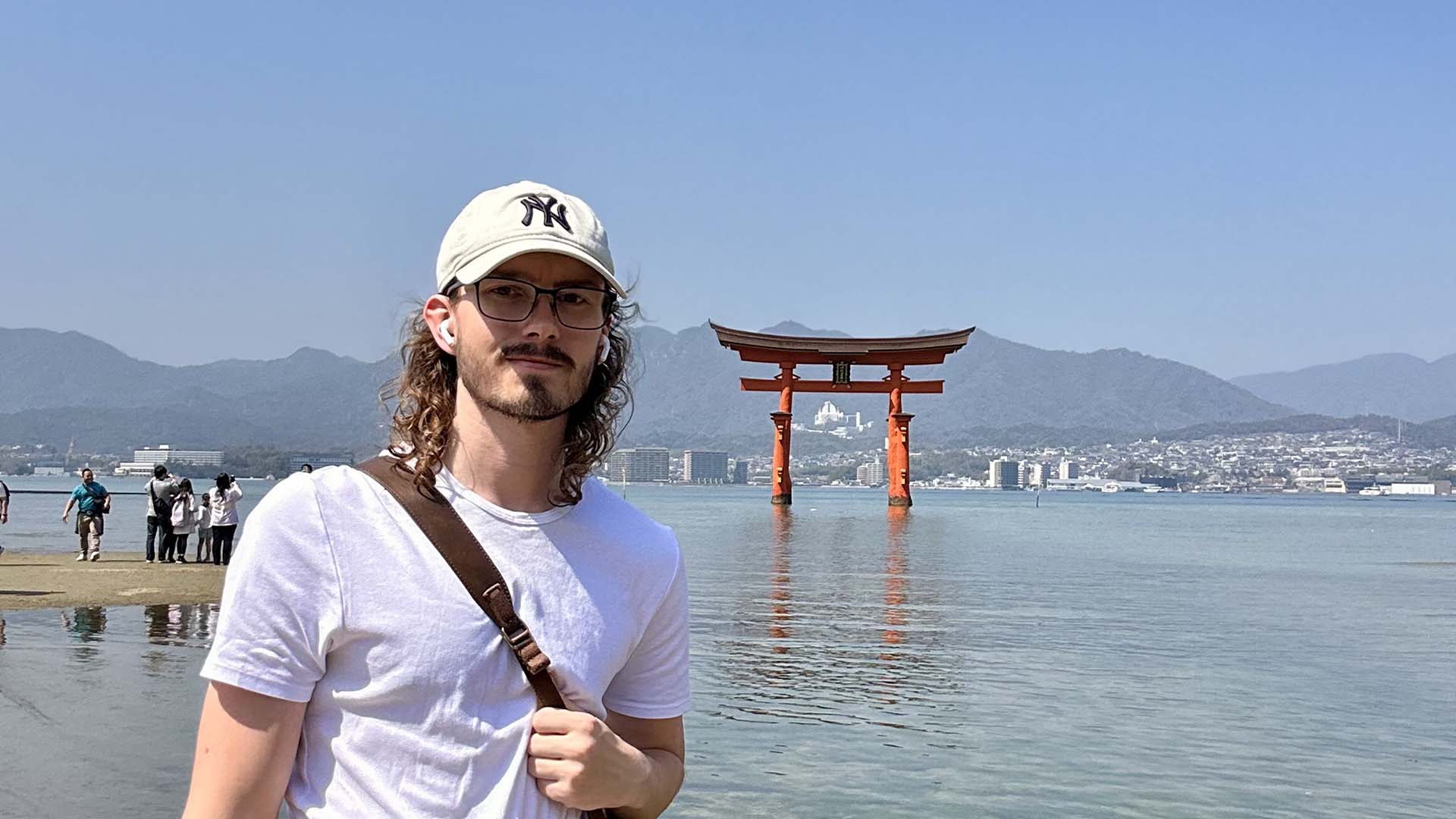
Classmate Billy Barrow had a similar breakthrough on that same Japanese jaunt. A self-described introvert, he tended to stick to what he knew. Having the courage to get out of his comfort zone has paid dividends, though, says Billy:

“Learning to socialise with people from different cultures and backgrounds has been a major achievement. I’ve learned so much, not just from other international students, but also from the Japanese students I study and travel with.”
Billy found that his initial leap of faith allowed him to indulge one of his interests: traditional Japanese shrines. Travelling around Japan, and visiting over a hundred shrines in the process, was “both incredible and deeply insightful”. It also helped him to do something that has been downgraded in the age of the smartphone and translation apps: learn the language. It helped him “to live like a local”, and fully immerse himself in Japanese life.
With Study Abroad, many other destinations are available.
Tiffany first went to South Korea as part of the Scouting Movement back in 2023. It lit a fire in her to return someday. That day got a step closer when she dotted the i’s and crossed the t’s on her Study Abroad form. Pretty soon after that she was on the plane to Dankook University’s Summer School:
“I wanted to step outside my comfort zone and challenge myself in a new environment. I also wanted to experience Korea differently after camping there as part of the Scouting Movement in 2023.
“I took two classes: Korean language, and Jiu-jitsu for self-defence. They were challenging in different ways. Korean language was academically challenging and required a lot of patience because of the difference in letters and symbols. Jiu-jitsu was physically demanding. I loved every minute of them both.”
As part of her Psychology degree, Tiffany studies a range of disciplines, such as clinical psychology, forensic psychology, coaching psychology, and health psychology. Tiffany has found developmental psychology particularly engaging. She enjoys “learning about how people change throughout their lives and how different experiences influence their behaviour and development.”
And her time at Dankook Uni has shaped her own development, enjoying an experience of “everyday life in South Korea, rather than simply visiting as a tourist.” It helped her to form friendships, as well as providing a less mainstream insight into life in South Korea
Not that Tiffany was looking to avoid the mainstream altogether. As part of the Summer School, Dankook organised cultural activities which Tiffany was very happy to throw herself into. A visit to Everland Theme Park, taekwondo sessions, Boryeong Mud Festival, which is exactly as messy as you’d expect, and – perhaps inevitably -she danced like a demon to the sounds of K-pop, which was exactly as messy…etc.
She considers her summer in South Korea as a highlight she’ll happily struggle to forget:
“Studying abroad offers so much more than just an academic experience. It allows you to broaden your horizons, develop valuable life skills, meet people from different cultures, and create memories that will stay with you long after you return home.”
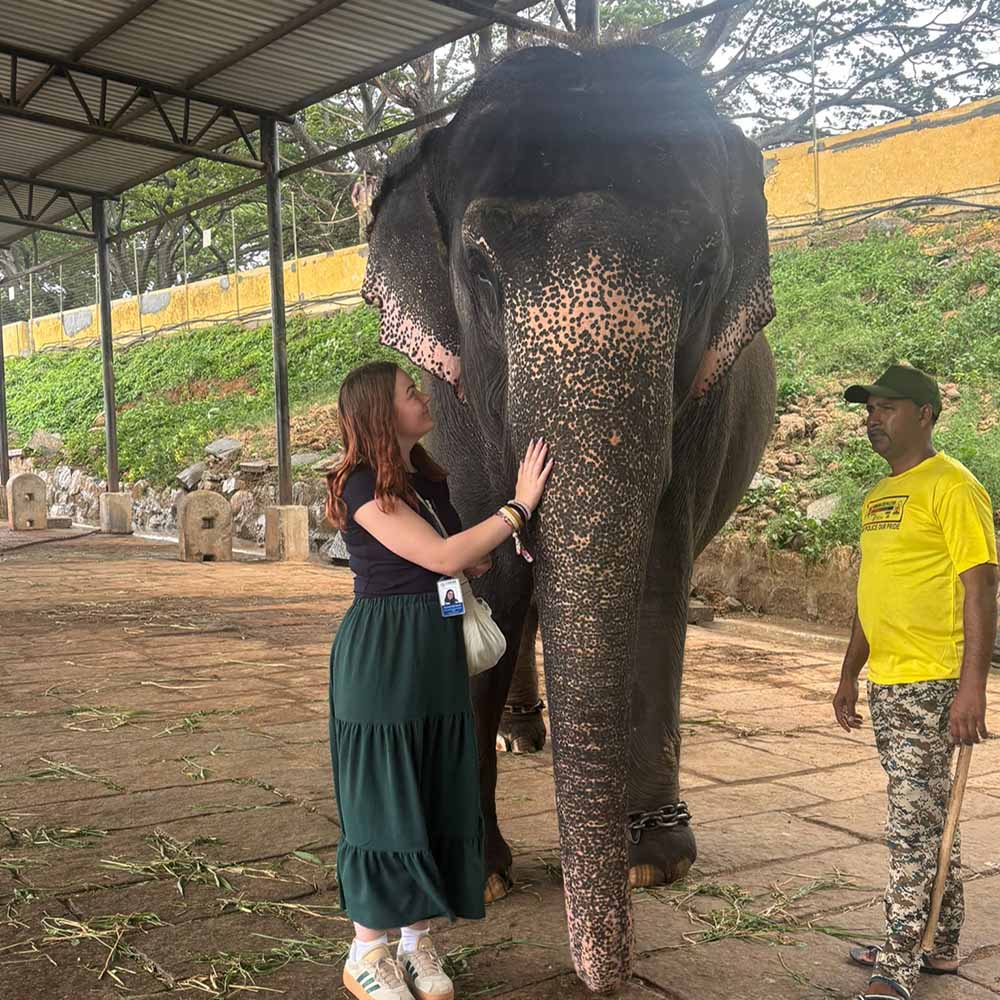
Educational psychology student Lottie travelled to India, where she also embarked on a culinary journey as she got up close and personal with whole new world of spices and cooking techniques:
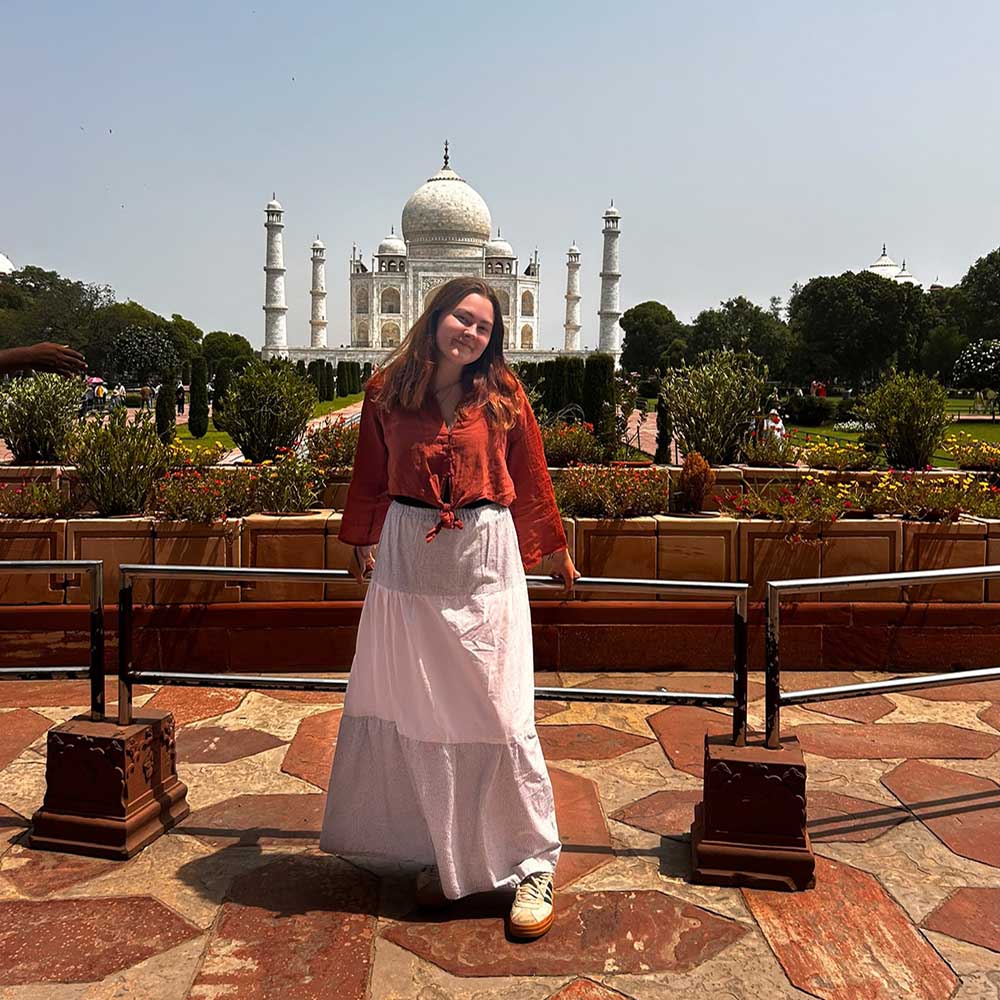
“I loved learning about the culture in India. The food was amazing. It was very different to the cuisine here in the UK, but it definitely stood out to me. We did one cooking class and were given a small cookbook of what we’d learnt to cook. The experience was incredible, learning new techniques and spices.”
It was also an induction into India’s social systems, and its impact on society:
“We learnt about the caste system that’s still important in India, and the psychological effect that it has on people. It was part of a series of philosophy classes that we attended. Alongside this we had classes on Indian literature and even had to write a poem in response.”
As with our other students, Lottie grew as a person, alongside her network of friends and acquaintances:
“I made lots of friends both from Edge Hill and from around the world. It was an amazing chance to get to know other students and learn more about our world.”
And for those who want to travel, still pushing those fluid boundaries, but maybe don’t want to stray that far outside their comfort zone, there are always European options.
Jessica chose Spain. Travelling to Malaga, the Psychology student was looking to pick up her Spanish, having studied it at A level. She describes the opportunity as a ‘no-brainer’. Between classes she managed to squeeze in plenty of time at her accommodation pool, and developing some solid friendships.
Jessica’s real aim – a central tenet of the Study Abroad scheme – was to immerse herself in her host country’s way of life, get under the skin of the culture. And it sounds like she succeeded in spades. When she wasn’t sitting around the pool, she was kayaking under waterfalls, parasailing, boat trips, day tripping to places like Marbella, Córdoba, and Nerja, or getting embroiled in the annual water fight in Malaga’s central square. We’re guessing Jessica has at least learnt the Spanish for ‘fun’ (divertido, in case you were wondering):
“I had such a great time and made friends for life. It’s such an incredible opportunity which provided me with memories I’ll cherish for a long time. I miss it so much!”

Ultimately, the Study Abroad scheme is designed to broaden the horizons of our students, think a little bit bigger, plan their lives a little more ambitiously.
And the scheme can claim Jessica and her fellow globe-trotting psychologists as successes in this respect:
“It’s inspired me to think broader and that studying abroad is real option,” says Jessica. “I now plan to study my Masters in New York.”
Brianna describes the experience as a vital step towards her future, setting her up with tools she’ll need in the next phase of her life:
“Studying abroad, you discover yourself, learn to trust yourself more, and, naturally, become more mature and open to people and experiences. I think my year in Japan brought out a side of me that nobody mentions: the “depend on yourself” side. When you’re in a country where you don’t speak the language, you don’t know their customs, and try to get a famichiki [fried chicken] from [Japanese convenience store] FamilyMart using sign language. You learn to adapt quickly.”
Next stop the Big Apple? Feeling hungry in a faraway land? Psychology and Study Abroad give you the life skills to take challenges in your stride, water fights and K-pop flirtations entirely optional.
November 20, 2026