
Edge Hill academic selected as panel member for upcoming REF2029
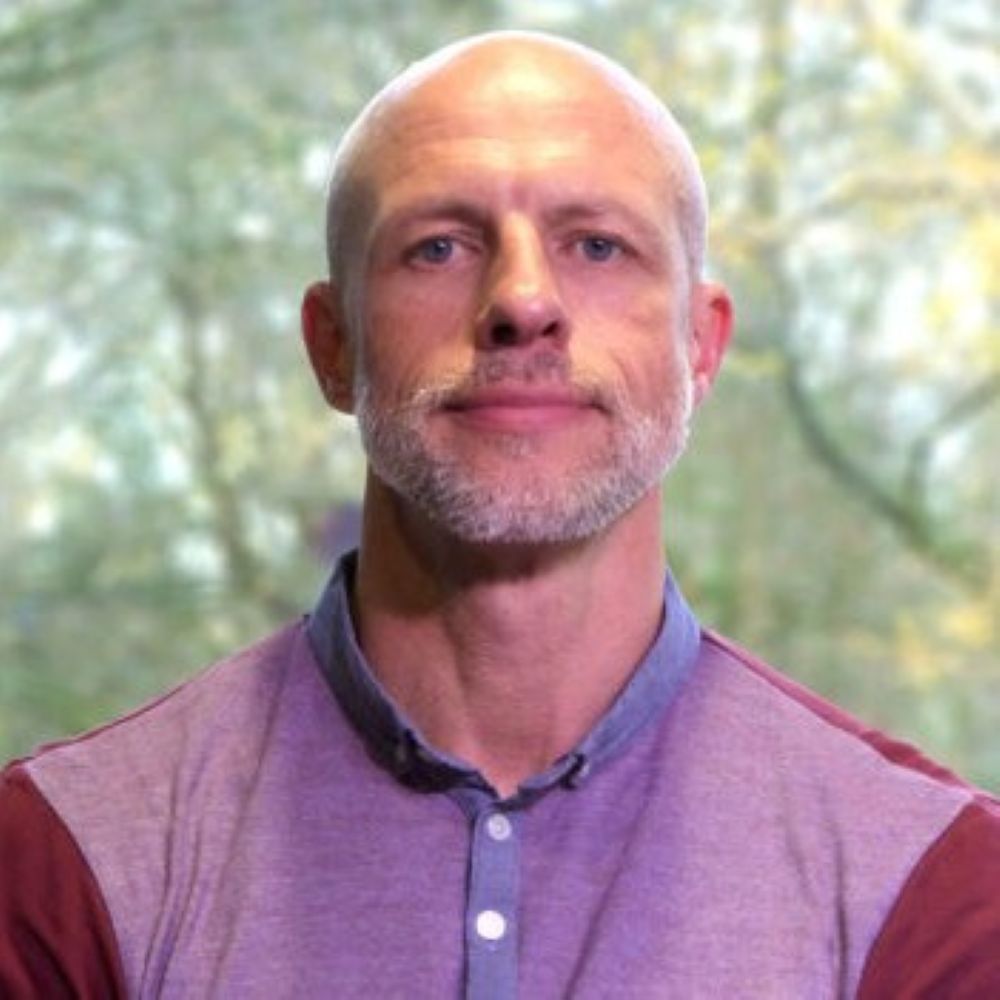
The University is proud to announce that Professor Stuart Fairclough has been selected as a panel member for the upcoming Research England Research Excellence Framework (REF) 2029.
Stuart, professor of physical activity, health and wellbeing and a member of the Department of Sport and Physical Activity senior management team, will join REF’s Sub-panel 24: Sport and Exercise Sciences, Leisure and Tourism.
He will be involved in developing discipline-specific criteria and for carrying out assessment of submissions in his field of expertise. This is the second time Stuart has been selected as a panel member for a REF review.
“I’m very proud to represent the University and the sport, exercise and leisure research community for a second time. I am looking forward to making a valuable contribution to the assessment process once it gets underway.”
The Research Excellence Framework is an expert review process to assess the quality of research in UK higher education institutions to inform the allocation of block-grant funding based on research quality, provide accountability for public investment in research, and evidence the benefits of this investment.
For the first time, panel members were appointed through an open application process, rather than by nomination, designed to reduce barriers and attract a broader, more inclusive pool of candidates.
REF Director Rebecca Fairbairn said: “It’s been inspiring to see the depth, strength and commitment of the UK’s research community, and I’m very much looking forward to welcoming the new panel members to the team.”
Find out more about research at Edge Hill University.
Mental health project for children wins significant government funding
The Arts for the Blues programme, developed to support people with depression through creative arts, has been granted £250,000 by The National Institute for Health and Care Research (NIHR).
The award, from NIHR’s Research for Patient Benefit programme, will fund a feasibility study to assess how well the programme works for children and young people, exploring which aspects are positively received and any areas for improvement.
Professor Vicky Karkou, director of Edge Hill’s Research Centre for Arts and Wellbeing, will lead the study in collaboration with Mersey Care NHS Foundation Trust, Manchester University NHS Foundation Trust, Alder Hey Children’s Hospital Trust and the Universities of Salford, Liverpool and Greenwich.
Professor Karkou said: “Many children and young people need mental health support but they do not receive the right support at the right time.
“We know that creative therapies can support relationships and improve young people’s wellbeing but they are not fully used yet.
“We also know that children and young people have a real interest in using creative approaches to support their mental health.
“Given how important this area is, we want to develop and test the impact of creative therapies on mental health carefully through high quality research.”
The results of the study will be shared publicly and, if positive, there is scope to carry out a larger study to explore providing wider access to the programme.

Roshelle Ramkisson, consultant child and adolescent psychiatrist and joint principal investigator, said: “Exploring the feasibility of a creative intervention in child and adolescent mental health services will lay the groundwork for future research in services.
“As a clinician, this is game changing, it opens a pathway to reach our most vulnerable children through means beyond talking. Creativity in the arts is a rigorous, compassionate medium for connection, healing and measurable change.”
New research project to explore how greenhouses can produce more food with less land
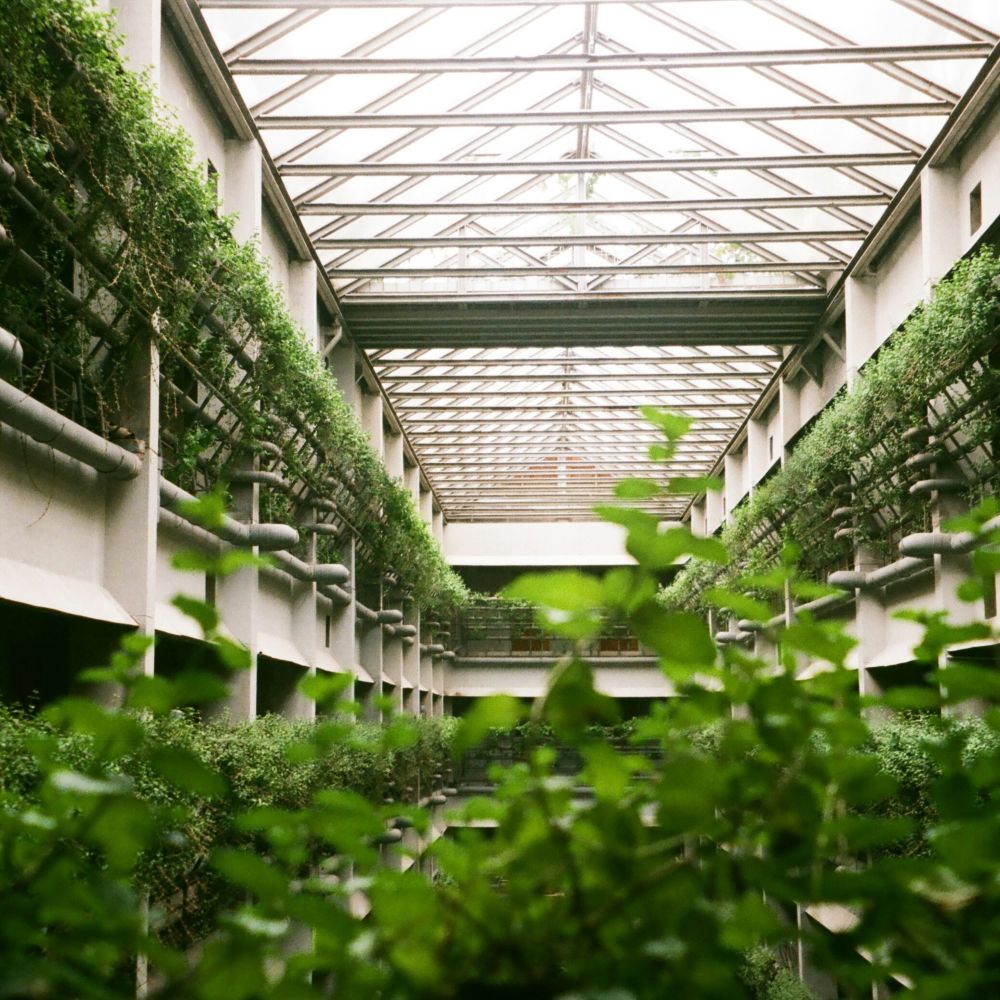
A pioneering new research initiative, Stacked Farming Systems, has been launched to explore how vertical farming technologies can be integrated beneath greenhouses to produce more food with less land.
The project has attracted funding from UK Research and Innovation’s Biotechnology and Biological Sciences Research Council, with support from UKRI’s Economic and Social Research Council and the Zinc Commercialisation Programme.
It aims to design, prototype and commercialise innovative multi-layer food production systems that are efficient, scalable and sustainable, contributing to a new vision for sustainable food production.
Edge Hill’s Dr Sven Batke, chair of the Greenhouse Innovation Consortium, will lead the project with Dr Nicola Favretto and Dr Daphne Ezer from University of York, working alongside leading industry partners including the British Tomato Growers Association, Priva, Vertically Urban, and CambridgeHOK.
Dr Batke said: “We want to design a system that works from every angle, operationally, financially and technically. A design that growers can trust, investors can back and engineers can build.
“This project will help define what the next generation of integrated greenhouse farming could look like.”
The team will co-develop a new model of stacked food production that reimagines how protected cropping and vertical systems can work together to enhance efficiency and sustainability.
The Stacked Farming Systems project will:
- collaborate with growers’ associations, engineers and economic modellers to drive innovation;
- produce a design concept for a prototype stacked food production system that merges greenhouse and vertical farming technologies;
- develop a commercialisation strategy that connects research, design and real-world application.
Dr Ezer said: “This project is about rethinking how we can grow more with less using smart design, data and innovation to make food production both sustainable and economically viable.
“By integrating vertical systems beneath greenhouses, we can create productive, climate-resilient farming systems that are both technologically and environmentally forward-looking.” Dr Favretto added: “This project is a fantastic example of interdisciplinary collaboration, bringing together biological and social sciences, engineering and enterprise to tackle the challenges of food security and sustainable land use.”
October 31, 2025