
Historic DNA offers new hope for declining UK bumblebee
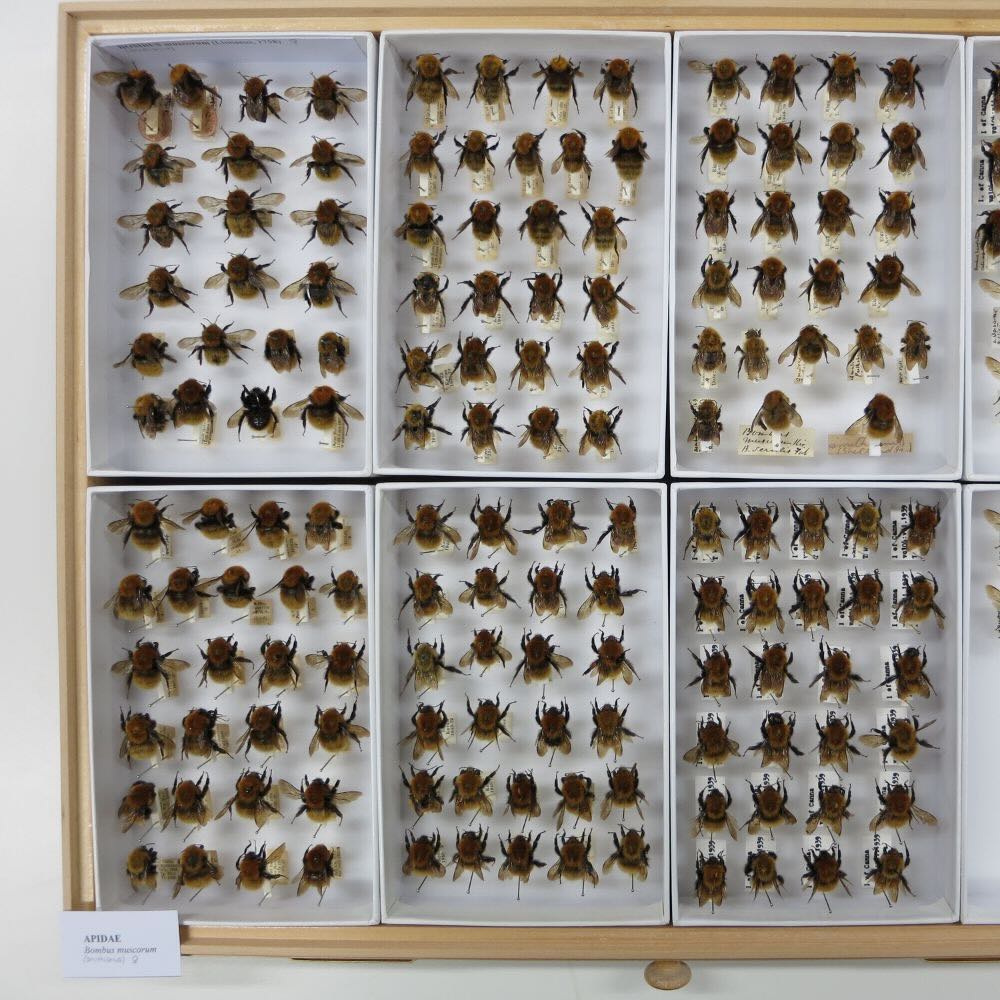
Scientists have used DNA from museum specimens collected more than a century ago to reveal how human activity has affected one of the UK’s native bumblebee species.
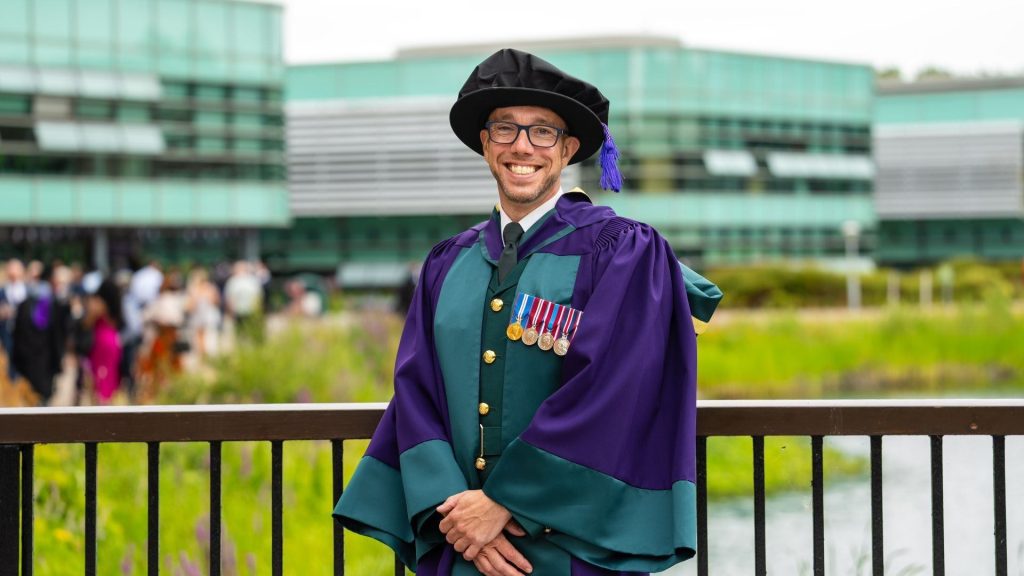
Andres Arce, Senior Lecturer in Ecology and Conservation at Edge Hill University, contributed to the study led by the Natural History Museum, working alongside researchers from national and international institutions.
The team used conservation genomics and ancient DNA techniques, which are more commonly applied to prehistoric samples, to reconstruct the genomes of moss carder bees collected across the UK between 1890 and 2019.
Andres said: “Museum collections give us a remarkable window into the past. By extracting DNA from moss carder bee specimens collected over more than a century, we have been able to observe how the species has responded to human-driven environmental change.
“The loss of genetic diversity in England and Wales is concerning, but the findings from Scotland give us hope. If suitable habitats can be restored further south, it may be possible to support the recovery or reintroduction of these important native pollinators. The research also demonstrates how museum specimens can help us monitor evolution in action and guide future conservation.”
The moss carder bee, Bombus muscorum, has experienced a significant reduction in its geographical range over the past century and is classified as vulnerable. Researchers believe pressures including habitat loss, changes in land use and climate change have contributed to its decline.
By comparing historical specimens with modern populations, the researchers discovered that moss carder bees in England and Wales have lost considerable genetic diversity. This suggests that populations have become increasingly fragmented and isolated, making them less resilient to environmental change.
However, the findings also offer cause for optimism. Bee populations in Scotland retain levels of genetic diversity that are much closer to the historical baseline. This could create future opportunities to restore suitable habitats and potentially reintroduce healthier populations to parts of England and Wales.
The study highlights the scientific value of the Natural History Museum’s collection of more than 80 million specimens, demonstrating how historic material can inform practical approaches to modern conservation.
Edge Hill University explores future partnership to support children and education in Malawi
Edge Hill University is exploring a future international partnership with senior representatives from Malawi, focused on education, knowledge exchange and improving outcomes for children.
The discussions build on a relationship established three years ago, when a Malawian delegation visited Edge Hill to learn about child protection and welfare practices in the UK.
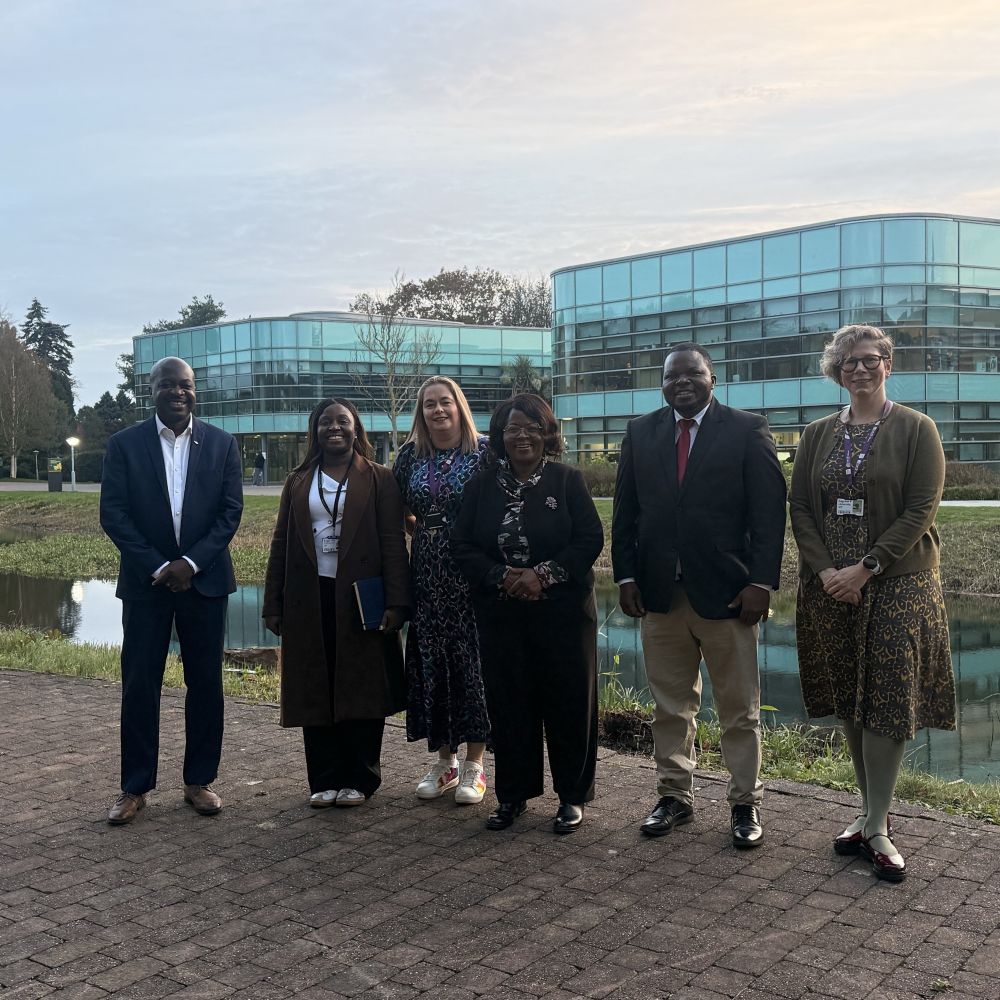
During their latest visit, Principal Secretary Dr Esmie Kainja, Justin Hamela, Director of Child Affairs in Malawi, and the Reverend Justin Malewezi met colleagues from Edge Hill’s Faculty of Education. They reflected on the progress made since the original visit and discussed opportunities for further collaboration.
They met Michelle Pearson, Head of School of Initial Teacher Education; Rebecca Green, Senior Lecturer in Early Years Education; and Amanda Nuttall, Associate Head of School for Research and Knowledge Exchange.
Amanda Nuttall, Associate Head of School for Research and Knowledge Exchange, said:
“We are excited by the opportunity to work alongside colleagues in Malawi to support the development of high-quality education provision. Through Umodzi , which means ‘working together in partnership’ in Chichewa, we will share expertise, learn from one another’s experiences, and explore innovative approaches to professional education and training. By working collaboratively, we hope to strengthen opportunities for young children and for those who care for and educate them.”
The original visit formed part of a wider knowledge exchange programme involving Malawian government officials and parliamentarians. Representatives visited several UK organisations, including Edge Hill, to learn about child protection practices and the legal frameworks used to safeguard children.
The latest meeting explored opportunities for Edge Hill researchers and students to exchange knowledge with teachers, education professionals and officials in Malawi. Discussions also covered curriculum development and how both partners could learn from each other’s expertise and experiences.
The visit reflects Edge Hill’s commitment to developing meaningful international partnerships and sharing its research, knowledge and expertise to benefit communities around the world.
Edge Hill graduate shortlisted for 2026 Green Gown Award for Sustainability Champion
Edge Hill University is proud to announce that Alumnus Daniel Whiteley has been shortlisted for the 2026 Green Gown Awards Student Sustainability Champion category.
The nomination recognises Dan’s contribution to sustainability at the University as a Corporate Sustainability Intern, a role he began in September 2025 and continues to undertake. Dan has undertaken key work on the award-winning C-CAT (Carbon Calculation and Analysis Toolkit) to support evidence-based decision-making at Edge Hill University.
His work included leading on the development of a carbon calculator for field trip emissions, establishing a baseline that enables the University to track and reduce its environmental impact in this key area, and hopefully providing insights that can over time inform best practice around sustainability across Higher Education.
During his internship, Dan has authored a number of papers, using analysis of survey data, to support data-driven approaches to sustainability across the University.
Dan said: “Being nominated for such a prestigious award means a great deal to me. While I have not undertaken this work with the intention of gaining recognition, being shortlisted helps acknowledge the impact of the projects I have worked on. I also hope it inspires the next generation by demonstrating what can be achieved through a commitment to sustainability.”
He added: “Edge Hill University has been really supportive throughout the internship, from start to finish. The Careers team helped me improve my CV and supported me through the application process.
“The most beneficial aspect of the internship has been the flexibility it offers. The University understands that your degree comes first and is therefore incredibly flexible with workloads and working hours. As an added bonus, everyone I have met or worked with has been friendly, approachable and always willing to help with any questions I have had during the internship.”
Dan’s work aligns with Edge Hill’s commitment to helping students build professional futures through internships and work experience, putting ideas into action and providing a place where students can thrive and feel a sense of belonging among their colleagues.
Dr Keziah Stott, Head of Sustainability at Edge Hill University, said: “Winning the Green Gown Award for Sustainability Champion (student category) would recognise the significant impact Daniel has made through his work with the Sustainability team at Edge Hill University. Daniel embodies our commitment to empowering students to embed sustainability into their work, lifestyles and communities. His dedication, innovative approach and influence within the University and beyond are truly inspirational. His contribution deserves recognition and sets a powerful example for others to follow.”
Daniel, who graduated in 2026 with a BSc (Hons) Geography, plans to continue working with the Sustainability team on several projects while making further refinements to the in-house Carbon Calculation and Analysis Toolkit (C-CAT).
The Green Gown awards ceremony will take place on Monday 16 November at New Dock Hall, Royal Armouries, Armouries Drive, Leeds, LS10 1LT, when the winner will be announced.
November 16, 2026