Skip to content Skip to section specific navigation Edge Hill University

BSc (Hons) Computing

Summary 2012/13

  • Join a Computing degree ranked top in the North West for overall student satisfaction (National Student Survey, 2011);
  • Enhance your career potential in the dynamic world of computing and communications;
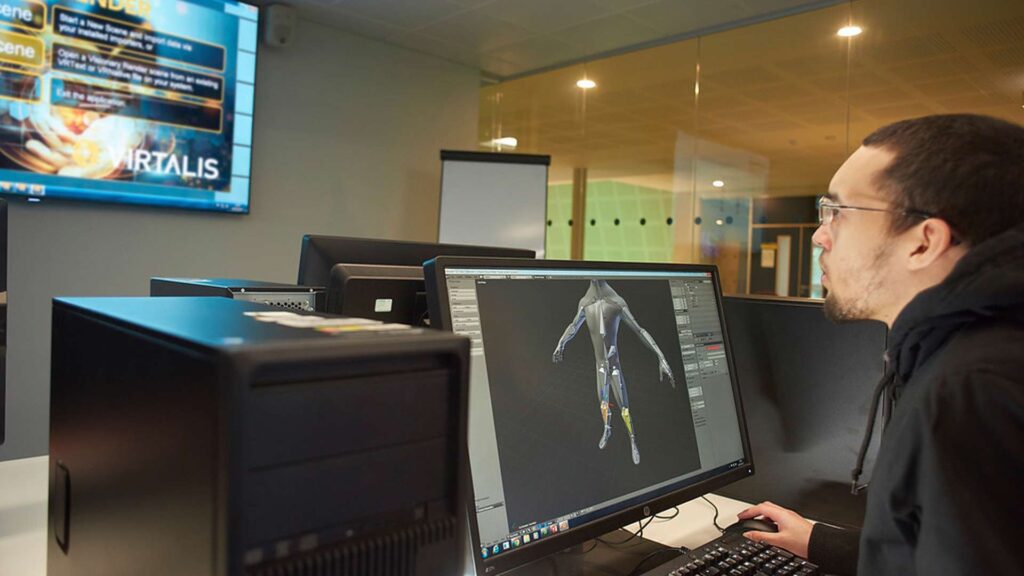
  • Gain a distinct workplace advantage using industry standard equipment in a purpose built environment;
  • Benefit from a work placement during Year 2 gaining valuable hands-on experience in industry.

Computing is a modern, evolving subject and our degree uses leading edge technologies to prepare you for a career in Computing Science and Information Technology. Our teaching and learning processes, coupled with the latest PC-based resources and a supportive environment, provide a lively and effective learning environment for students.

Campus: Ormskirk Campus, Edge Hill University
UCAS: G401
Course Type: Undergraduate Degree
Attendance & Study Mode:
3 years: Full Time
4 years: Sandwich
Start Date: September 2012

2012 Entry Requirements

240 UCAS tariff points plus evidence of numeracy.

Details

Who is this course for?

This Computing degree is for anyone wanting exposure to a wide range of computing disciplines including mobile computing, databases, programming, e-commerce, hypermedia systems and website development, distributed systems, operating systems, and systems analysis and design. The programme is ideal if you don't have a pre-determined career path and want a flexible framework.

What will I gain from this programme?

You will gain a firm grounding in the fundamental concepts of computing and an introduction to the latest software tools and methodologies.

You will also develop your organisational and communication skills. You will learn to communicate effectively on paper, online and face-to-face. Your studies will involve you delivering presentations to your classmates, responding to their opinions in person and by email, as well as developing sophisticated skills of analysis and argument. You'll learn to think on your feet and work independently on your own initiative. Most of all, you'll learn how to make sense of large amounts of complex data and to respond quickly and effectively, a skill valued very highly by employers.

What will I study?

In Year 1 you will study a common set of modules that provide a solid foundation. Part of your first year studies will look at career options within the Computing and IT industry to help you select your second and third year modules. Your personal tutor will also be able to advise you.

The Year 2 curriculum provides a more specialised focus. All second year students have the option of undertaking a 12-month industrial placement before beginning their third year and have some choice of modules available.

Year 3 provides the opportunity to develop advanced knowledge and skills. All third year students complete a research & development project which may take either of two forms: the creation of an appropriate piece of software for a client, or an appropriate research dissertation. The emphasis at this level is on the development of independent study and learning.

How will I study?

Our teaching methods have been designed in consultation with leading employers in the region, ensuring our students get relevant experience and use industry standard equipment. Computing involves considerable practical activity. Many classes will be based in computer workshops and will focus on student activity as a means of learning. We introduce theoretical concepts by building on concrete practical activity. Computing professionals frequently work in teams and need to interact with users, so you will be given opportunities to work together and develop the essential 'people skills' to complement your technical skills. The University's Virtual Learning Environment is also an integral part of our teaching methods.

Placement

You will select either a short work placement or Graduate Enterprise.

In the work placement you will identify and analyse workplace problems and research and identify a range of solutions, implementing and evaluating them and then writing a report. You will develop skills and confidence to apply and secure employment for short and a year-long industrial placement if you select this option.

Graduate Enterprise allows you to work in small groups and establish, organise and run your own business venture. You elect a board of directors, raise capital, and market and finance a product or service of your own choice. At the end of the programme, the company goes into voluntary liquidation and you present a report and accounts to your shareholders.

Who will be teaching me?

All our staff are passionate about student learning and development. The degree is delivered by specialists in Computing and the team includes active researchers in areas including mobile computing, distributed systems, e-commerce, strategic information systems, web information architecture, visualisation and applications of Problem-Based Learning in Computing and Information Systems. The academic staff are regular contributors to academic conferences and journals.

How will I be assessed?

The pattern of assessment is designed to ensure you acquire a range of skills required by future employers. You will design and write programs, write reports and essays, critically analyse documents, deliver oral presentations and undertake examinations. Exams do not count for more than 50% of any module. We want our students to develop an ability to work independently, therefore, in the third year many modules are assessed entirely on the work you produce.

What are my career prospects?

You will graduate well placed for a career as a programmer, network designer or manager, web designer, systems analyst, software support specialist, systems designer, computer sales, software engineer, systems administrator, computer animator, games programmer or ICT teacher.

Further study at Edge Hill University

Related Programmes

A Great Study Environment

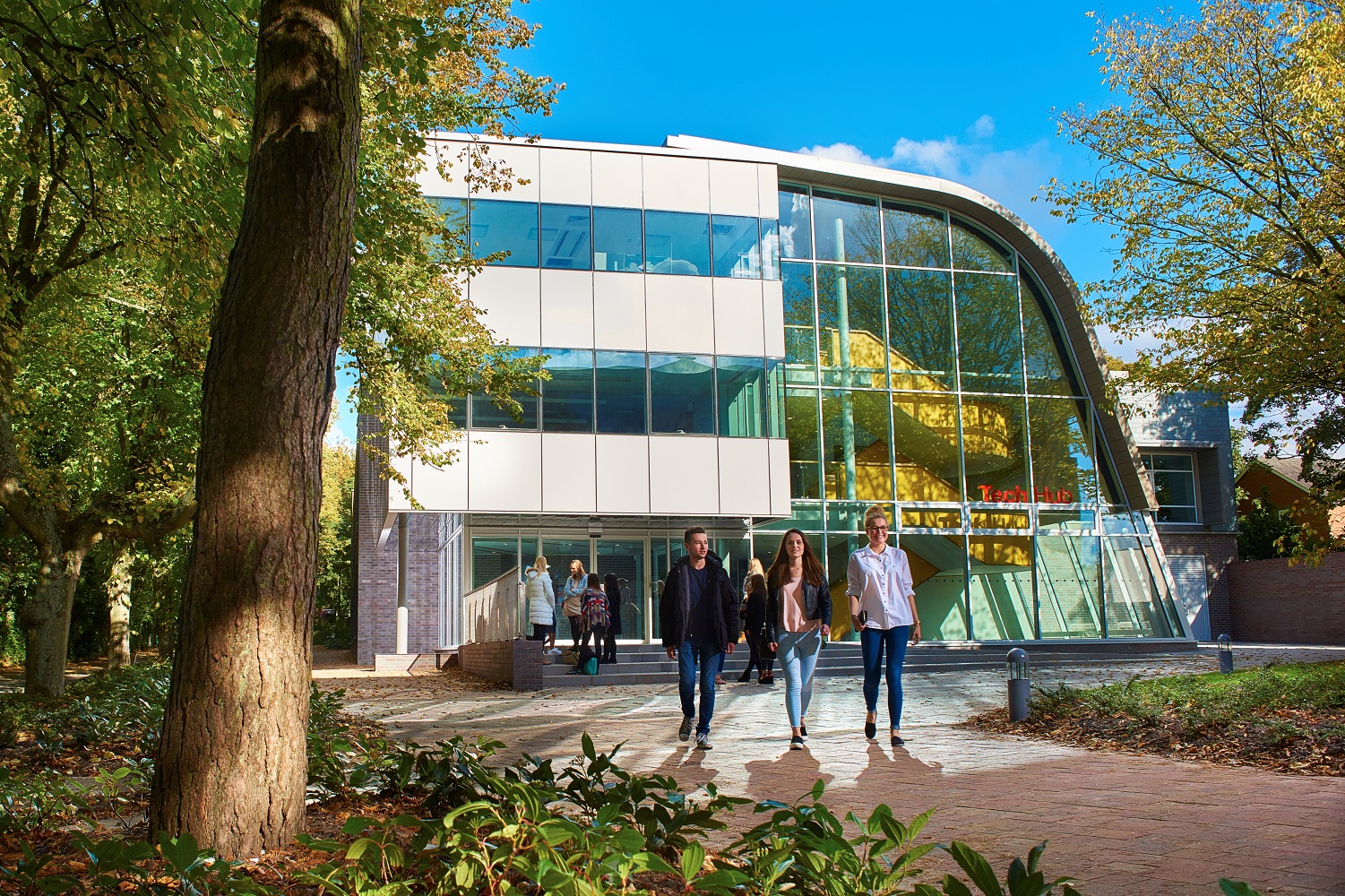
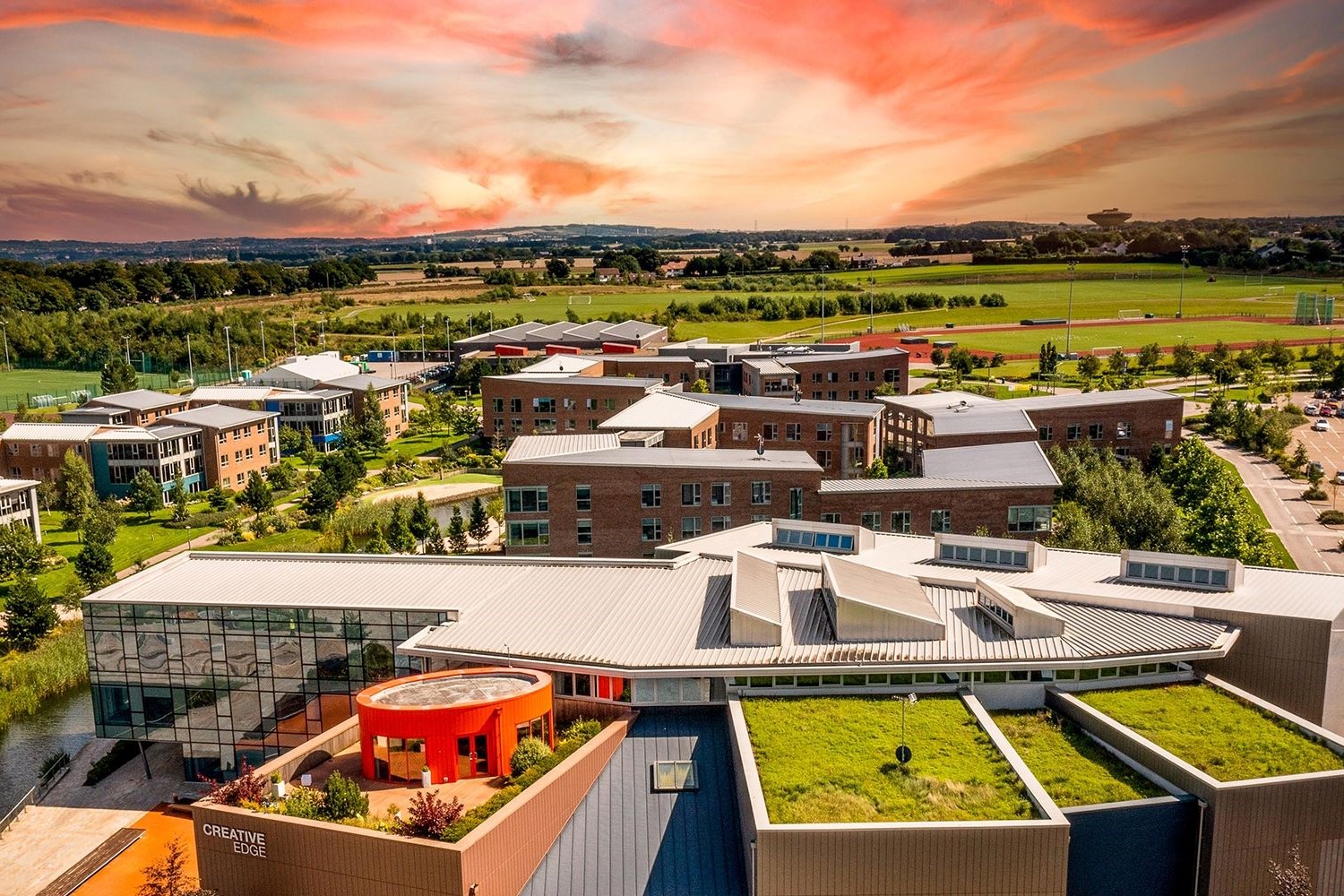
Computing and Information Systems is housed in the modern, purpose-built Creative Media and Information Systems Technology (CMIST) building. There are four dedicated teaching laboratories with extensive PC provision, peripherals such as web cams and scanners and the latest industry standard software from Microsoft and Macromedia, plus access to other central computer laboratories.

Edge Hill Business School draws on expertise from a range of departments and provides a focal point for research, consultancy and the delivery of career enhancing programmes. Our IT laboratories have extensive PC and Mac provision with plenty of peripherals.

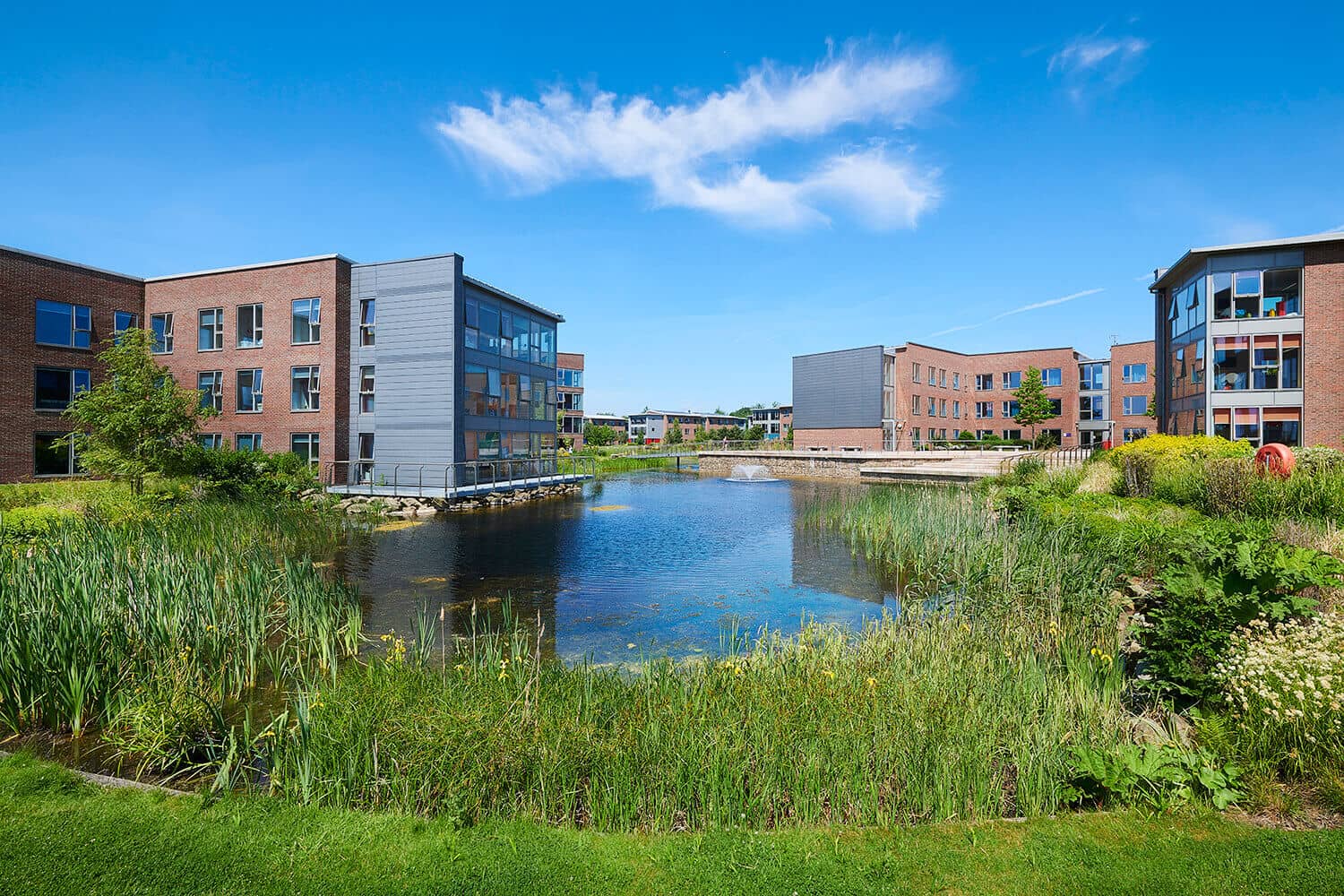
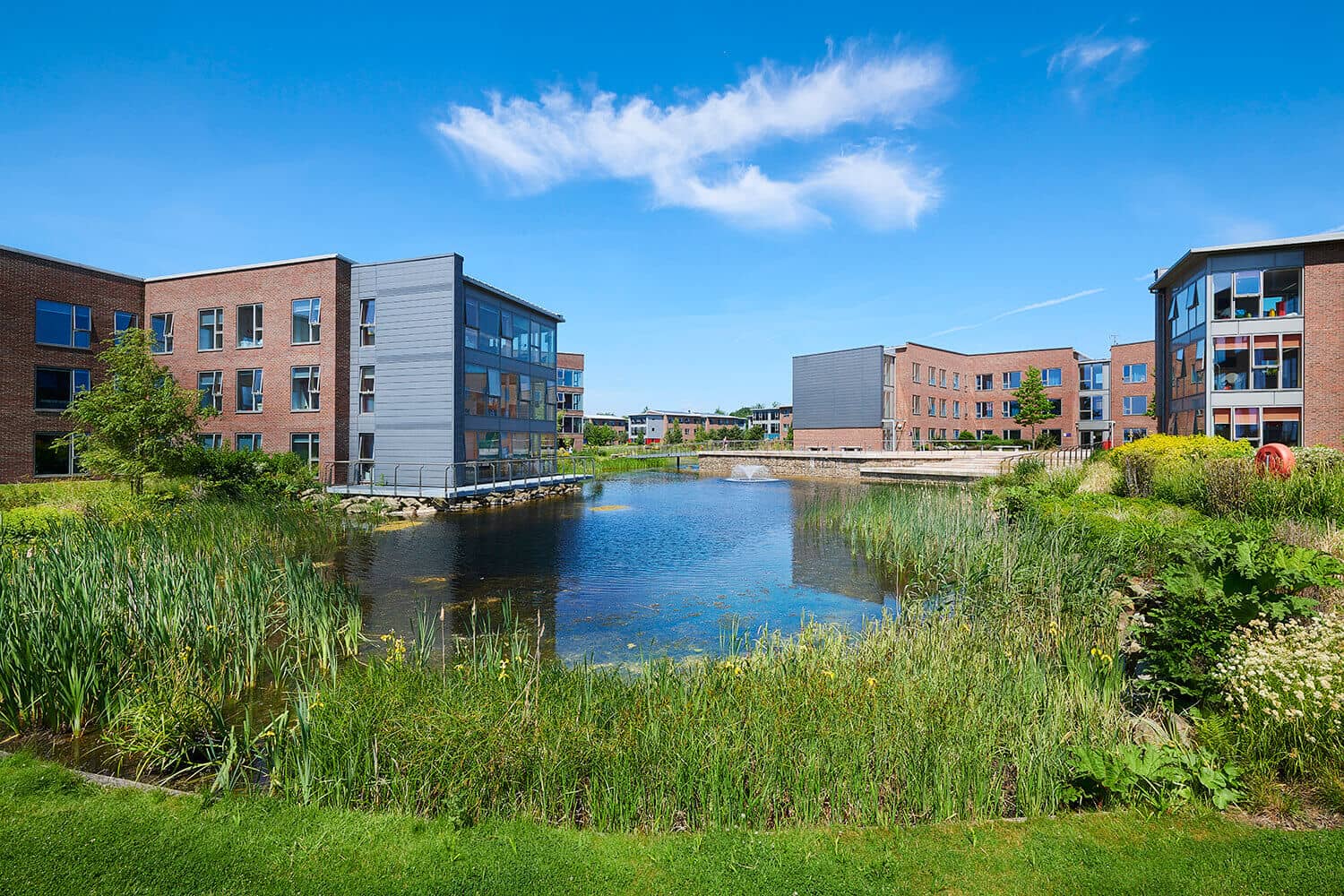
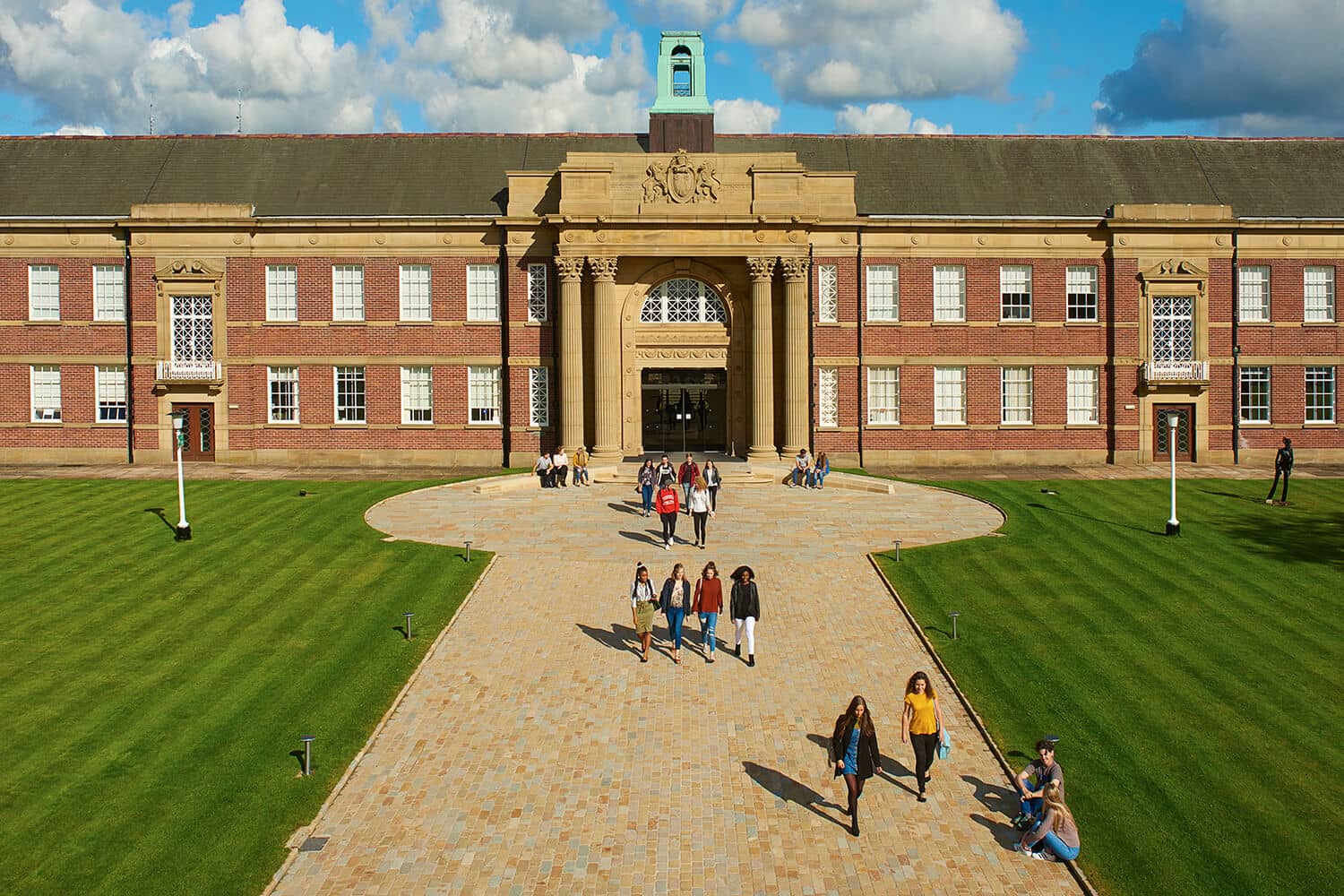
Based in 160 acres of beautifully landscaped grounds, the Ormskirk Campus is a unique and inspirational place to study. Industry standard resources and cutting edge technology combine to make an interactive and highly advanced teaching and learning environment. Everything you could want is on one site with 25 acres of sport and leisure facilities, more than 1,000 rooms in halls of residence and fantastic modern spaces in which you can study and socialise.

The University library gives you access to thousands of books, journals, online resources and extensive PC and media provision. You'll get all the support you need to succeed, reflected in Edge Hill University being ranked in the top two in England for students' personal development, and the top three in the country for assessment and feedback, in the 2011 National Student Survey. The University is also featured in the top four in England for graduate employment.

How do I apply?

Apply online through UCAS at www.ucas.ac.uk.

See our How to Apply pages for more information on the application process and our Admissions criteria.

Fees and Finance

For academic year 2012/13, Edge Hill University will charge £9,000 for full-time BA, BSc and LLB degrees. Eligible students will not have to pay upfront for their tuition. The cost of tuition will be paid by a loan which you will only start to repay once you have finished the course and are earning over £21,000.

Eligible full-time students can also apply for a maintenance grant, subject to household income, and a non-means-tested loan to help with living costs.

Edge Hill University offers a range of scholarships for prospective full-time students. These include £2,000 Entrance Scholarships rewarding determination, commitment and achievement in creative arts, performing arts, sport and volunteering. Eligible entrants with outstanding grades are recognised through the £1,000 High Achievers Scholarship.

The University will also be offering awards, worth £3,000 in cash benefits and fee/accommodation waivers for academic year 2012/13, to eligible prospective full-time students through the National Scholarship Programme.

For more information on scholarships, including eligibility criteria for each award, visit www.edgehill.ac.uk/scholarships.

To find out more about fees, grants and loans for full-time study in academic year 2012/13, visit www.edgehill.ac.uk/undergradfees2012.

For students choosing the 4-year route, tuition fees and financial support arrangements are the same as the equivalent year of the full-time programme, with fees for the sandwich year still to be confirmed.

Please note, the above information is for UK and eligible EU students only. International students should check the fees and finance information at www.edgehill.ac.uk/internationalfees2012.

Not got the entry requirements?

We welcome applications from those without traditional qualifications or from those who already have a Foundation degree.

Students returning to education may present their previous experience in work (paid or unpaid) to support their application.

Students with relevant study through either a professional body or appropriate academic course can apply to join the programme at an advanced stage.

Where can I find out more?

If you would like to receive a copy of our prospectus or be kept updated about forthcoming events, contact the Course Information, Advice and Guidance Team by emailing study@edgehill.ac.uk or calling 01695 657000.

If you want to attend one of our open events held throughout the year, visit www.edgehill.ac.uk/opendays to book your place.

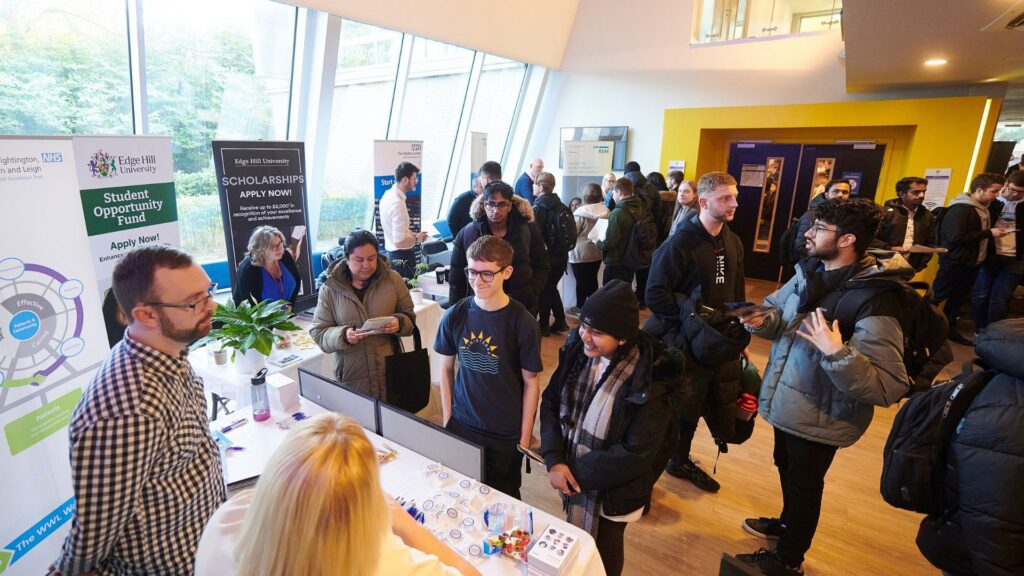
You will also find Edge Hill University staff at many national careers fairs and UCAS events.

Still want more?

If you have any questions you would like to ask the programme leader about this course, please contact:

  • Besim Mustafa, Edge Hill Business School, Faculty of Arts and Sciences, St Helens Road, Ormskirk, Lancashire, L39 4QP
  • Tel: 01695 657640
  • Email: mustafab@edgehill.ac.uk

Overseas students should visit www.edgehill.ac.uk/international or email international@edgehill.ac.uk for further information.

Modules

Year 1

Systems Analysis is the starting point for developing a computer system for a business need. This module provides you with the ability to analyse problems and design solutions. You will be introduced to the business environment and problems faced in devising computer-based approaches to business systems. Topics include the systems lifecycle, systems analysis, requirements analysis, data flow diagrams and CASE tools.

Programming: Concepts to Construction offers a practical introduction to the fundamentals of an object-oriented approach to software development. You will be introduced to analytical techniques and processes essential for specifying, designing and implementing applications. Object-orientated concepts and notions are introduced together with the application of a modern programming language which is widely used in industry.

Computer Architecture is about the principles of modern computer organisation and architecture. It explores the layered nature of systems structures and examines the interfaces between them. The module covers a range of topics from bare hardware, constructing a PC and networking concepts to operating systems and sophisticated system software.

Website Development enables you to develop a sound understanding of the theory and practice of website development and gives you a step-by-step guide through the development of a web project. You will explore the elements of website design - including colour, typography and imagery - and assemble them together in an effective layout. In addition, the module introduces you to industry-standard web development tools, along with XHTML and CSS.

Multimedia Systems. Multimedia is a broad subject area forming part of the general area of Computing Science. It finds its application in a number of forms, including mathematics and engineering, medicine, education, and particularly advertising, art and entertainment. This module, however, focuses on the production of multimedia for delivery via the desktop computer. You will explore elements of image capture and manipulation, interaction design / animation, and sound / audio for use in multimedia systems, including the Web. You will be expected to assemble text, images, animation, and sound together in an effective presentation. The module will also enable you to explore and gain experience of current Multimedia development tools and how to use them.

Year 2

Compulsory Modules

Database Management Systems are integral parts of almost all IT systems. This module builds on systems analysis methods and introduces you to the concepts in database design. You will acquire practical skills to be able to model, design, develop and implement relational databases with multiple tables using the rules of normalisation and entity relationship modelling.

Research and Development Methods. The ability to undertake research, to appreciate the different research methods and methodologies, to have knowledge of the sources of information and an understanding of the problems of research is a fundamental graduate competence. This module will familiarise you with the main methods of research and the contexts in which they are conducted to help you comprehend the principles and perspectives of research. The module will provide practical experience in the use of research methods and help you gain confidence and experience in the research process, preparing you for your final year dissertation.

Select one of the following modules:

Work Related Learning is a module which enables you to participate in a short work placement. You will identify and analyse workplace problems appropriate to the programme of study, research and identify a range of potential solutions, implement and evaluate the most appropriate solution after discussion and write an evaluative report on this project. This module furthers your career development learning plans, enabling you to have the required skills and confidence in applying and securing employment for both short-term and year-long industrial placements, thus enhancing your overall prospects in gaining graduate level employment.

Graduate Enterprise is an alternative to the work-related learning module in which you will work in small groups and establish, organise and run your own small business venture. In running your company, you elect a board of directors from amongst your peers, raise capital, and market and finance a product or service of your own choice. At the end of the programme, the company goes into voluntary liquidation and you will present a report and accounts to your shareholders.

Team Project is a module which enables you to develop essential employability skills in the context of a realistic team-based computing project. You will learn, practice and evaluate your team working skills, together with career development activities that are designed to improve confidence and competence. You will also develop technical knowledge and skills.

Live or role-play projects and interviews are used in order to provide an authentic project experience. The module is also informed by the Chartered Institute for IT (BCS) and the SFIAplus skills model, the IT skills, training and development standard widely used in the UK and beyond. It is designed to enable you to develop autonomy, influence and business skills in an environment of developing complexity.

Select three of the following modules:

Business Analysis is the process of investigating what a business wants to achieve and what is done at the moment. Analysis does not just look at what objectives once were, and how the existing systems achieve those objectives now, but also what the business systems should be doing. By producing a statement of requirements, analysis aids the process of designing how to achieve a solution. In this module you will learn the essential skills of how to handle, analyse, interpret and evaluate the data which are generated internally and externally to an organisation.

Computer Systems Architecture is about making computer hardware and software co-operate efficiently to function as fast as possible given finite resources and for the minimum cost. Over the years improvements in technology and advances in computer architecture have resulted in huge increases both in computer complexity and performance. In this module you will examine aspects of modern computer architectures and consider how the interfaces between hardware and software have been influencing the evolution, design and performance of computer systems over the past few decades. The module sets out to demonstrate that, at the most basic level, a computer system is built from relatively simple digital circuits which, in turn, are designed to support higher layers of abstraction as programming models. You will an understanding and appreciation of a computer system’s functional components, their characteristics, performance, and interactions.

Usable Hypermedia. This module has been devised in response to the rapidly changing nature of the Web. It is a synthesis of the traditional fields of Hypermedia and Usability. The module focuses on the structuring, organising, labelling and managing of hypermedia content, where information architecture and information management remain particularly significant. The module embraces established methods and skills, which can be employed, systematically, to inform a high degree of functionality in the design of navigation for Web content. It will challenge you to analyse and think more critically about Web content, and to encourage you to adopt a more ‘user-centred’ approach to the development of such content. The outcome of this will be a practical response to usability guidelines and accessibility legislation, both of which are now essential considerations in Web development.

Web Scripting. The Internet and the Web have become increasingly complex environments leading to an ever-growing demand from users to experience the ‘wow’ factor when visiting websites. This can be achieved, in part, through a dynamic, animated and interactive environment, where information can be presented in a more visually interactive way. Such environments require technologies that go beyond the HTML standard, making use of client-side scripting languages to allow for users to interact in a much more visual way. This module will expose you to the basics of client-side scripting. You will develop an understanding of the tools and techniques needed to implement a dynamic client presentation and make use of emerging technologies such as XML and AJAX which are now commonplace within industry.

Object-Oriented Programming (OOP) has become the dominant approach to achieving high quality software in the last decade. The high costs incurred in software development, maintenance and failed systems have focussed attention on the importance of using adequate and appropriate modelling techniques such as Object Oriented Modelling and appropriate representation through the Unified Modelling Language (UML). It is therefore important for computing professionals to attain understanding and experience in object oriented techniques. This module will enable you to further develop analytical skills, applying the main concepts of Object Oriented design and programming in the context of a modern programming language

Physical Computing: Input and Output will enable you to gain an understanding of constructing electronics projects for control applications. You will also achieve an in-depth understanding of sensing applications together with the issues around basic sensors, developing and enhancing your skills in computer programming through the coding required for microcontrollers.

Computer Networks underpin the infrastructure of IT systems in modern companies. This module is designed to provide both theoretical knowledge and practical skills in the principles of modern networking and data communications. At the same time it will provide you with a thorough understanding and awareness of emerging new technologies in the field. There is a strong practical bias to the module: you analyse the needs of a client, design, present and construct a small local area network (LAN) to meet their needs.

Competitive IT is a module that aims to give you a broad overview of the use of information technology for competitive advantage. The module will concentrate on models such as Porters value chain and will look at how these models can be used by businesses to improve their competitive advantage. The module will consider the latest ‘killer apps’ created and marketed by technology suppliers and evaluate their likely effectiveness in a variety of contexts.

Object Oriented Programming concepts are now dominant in software development. This module enables you to understand and apply this approach to develop applications in a modern, widely used language. It develops and significantly extends your ability to apply the methods and concepts introduced in the Year 1 programming module and enables you to use a Computer Aided Software Engineering (CASE) tool.

Software Engineering is a module that enables you to gain an in-depth knowledge of the software engineering processes and development models. It will help you gain skills in producing high quality software documentation. Software engineering is a systematic approach to the analysis, design, implementation and maintenance of software. Virtually all electrical equipment now includes some kind of software. Even simple software systems have inherent complexity and require correct use of engineering principles in their development.

Programming Languages: Theory to Practice explores alternative strategies and languages to identify both best practice in programming and those areas which require deeper investigation when selecting the most efficient solution for a problem. This module will explore the strategies that software developers can adopt to design, validate and verify their code before the final implementation of a software application.

Programming Languages: Inspiring Creativity. A trend in current software development offers the ability to develop software using functional programming and imperative programming alongside the OO paradigm, and supports integration between each of these paradigms with the intention that the most appropriate paradigm can be selected according to the problem being addressed.

This intention is highly applicable to web-based systems and resources in which very large and complex datasets may require degrees of intelligence to be coded in order to efficiently and effectively process information. One of the aims of this module is to enable you to develop a portfolio which presents technical skills, and demonstrates theoretical understanding. The portfolio will provide a concrete representation of your skill sets providing you with a tangible product to enhance your profile in the job market.

Year 3

Compulsory Modules

In your final year you must choose either a Research Dissertation or a Computing / Web Development Project. In the Research Dissertation you design and pursue an investigation that involves primary research, analysis and discussion of a particular issue or question. Alternatively, the Computing / Web Development Project focuses on practical and technical computing, and you typically develop a system (software or hardware based) for a client.

Whichever option you choose, the module will enable you to extend your knowledge and skills and apply them individually to an aspect of computing of your choice, developing your initiative and self confidence. You will receive one-to-one support from your personal tutor throughout the year.

Legal, Social, Ethical and Professional Issues in Computing is a module that engages you with essential professional aspects of the discipline. Computing and IT are areas of practical activity, which in different ways, employ and affect a large number of people in society. It is therefore vital that you are aware of the most pressing professional, legal and ethical issues affecting and surrounding this discipline.

Select four of the following modules:

Internet Security. Security is of increasing importance for a number of reasons. Society depends increasingly on computer systems; the systems are accessible from intranets and the internet, therefore increasing the risk to system integrity. Computing professionals need a sound understanding of the threats and vulnerabilities of a system, and preventative and recovery measures. In this module you will gain an in depth understanding of the principles of computer and network security, together with an understanding of the key vulnerabilities of a networked computer system. You will design and construct a secure network.

Mobile Application Development. We are witnessing the coming together of the world’s two fastest growing services, namely Mobile Technology and the Internet. This is leading to the so called Mobile Internet model, which will have immense impact on telecommunications companies, ISPs and any other organisation wishing to transact in the new world economy. From the user’s perspective, this will lead to a move to mobile application development – any content (e.g. information, entertainment, data, service) will be available on any appliance (mobile phone, personal digital assistant, TV, PC, wristwatch etc) at any location, and in the right context. This module provides you with a comprehensive theoretical and practical understanding of all the relevant technologies associated with mobile computing, ranging from applications development and middleware support for mobile applications to fixed and mobile networking technologies and standards. You will also gain practical skills by developing small applications for mobile devices.

Embedded Systems. Embedded systems today form the largest percentage of computer systems in service (more than all the other types of computer systems put together). This is hardly surprising as almost all moderately intelligent devices we use or rely upon (e.g. domestic appliances, mobile telephones, motor vehicles, most automated consumer products, dispensers, toys, etc.) contain one or more microcontroller devices. These embedded systems are mostly not seen, tucked away in some unreachable locations, and are expected to function for long periods of time (often many years) without fault, any attention, maintenance, and often in environmentally unfriendly places. As a result they demand some unique engineering (both hardware and software) requirements. It is for these reasons that the computing professionals should have some appreciation of embedded systems. The embedded systems specialists are increasingly sought after as the systems are increasing in numbers and the technology is rapidly advancing. At the same time research in new embedded systems technology (e.g. low power requirements, smaller geometries, higher computing power etc) is expanding thus creating many opportunities for computing graduates in research as a satisfying career

Physical Computing: Autonomous Devices. This module considers the growing number of applications which utilise microcontrollers. Microcontrollers are small, inexpensive computing devices. These devices can be programmed to respond to signals from, and to control, a variety of electronic devices. They can form the basis of basic robotics devices and, as such, offer an ideal platform to explore control applications in computing. In this module, you will gain an in-depth understanding in the development of devices which are controlled by microcontrollers, together with a critical understanding of the current advances in technology in the field. You will develop a device which is able to sense and react to changes in its immediate environment.

Operating Systems. The Operating System is probably the most complex and important software component of modern computer architecture. Its importance is evident from the strong influence it has had on the way the computer architecture has been evolving over the last few decades. As computer hardware is becoming ever more powerful and complex, the demands on the operating system are also rapidly increasing. The availability of diverse computer systems require specialised operating systems yet the basic design principles essentially remain the same. In this module you will learn about the internal structure of modern multi-tasking operating systems and explore the techniques used in order to efficiently manage the resources of computer systems and provide protection to these resources and its users. The hardware / software interfaces and the levels of abstractions are studied in some detail.

Coaching Learners. This module provides an opportunity for you to experience teaching and learning from the lecturer's perspective, develop skills at assisting computing students to learn and develop an understanding of some of the underpinning educational theory. For students who progress on to a PGCE, adult teacher training or similar, this module will provide relevant experience of the needs of an adult learner.

Distributed Systems. During the last two decades we have witnessed how a traditional centralised computing model is rapidly changing to distributed one. This is driven by advances in communication technology and increased user demands for sophisticated applications. Such applications, regardless of the hosts on which they reside, require interoperability among heterogeneous hosts, operating systems and data sources. The development of distributed applications presents many challenges to application developers; therefore it is essential for computing graduates to acquire knowledge of developing systems / applications that are distributed. You will learn the main concepts of Parallel and Distributed systems through a number of modern and representative case studies. You will also construct an implementation of a small distributed system.

IT Management. IT is now a strategic resource within organisations, and systematic planning and deployment are essential for competitive advantage. This module aims to develop an understanding and the knowledge to underpin the acquisition and ongoing management of systems and services within an organisation. The module also introduces the concept of business continuity and risk planning associated with current environmental changes and third party disruption.

Project Management is a module that teaches skills frequently cited as being of high value by graduates after experience in industry. Software projects frequently fail to be delivered on time, within budget, to specification and to agreed quality standards. It is vital that you are able to plan and manage IT and software development projects effectively if you are to succeed. Project management is a complex activity and demands a professional approach. This module stresses the importance of project planning, monitoring and control in the management of large scale projects. It emphasises not only the techniques which can be applied and the tools which can be used but also the ‘softer’ human factors which must be taken into account in managing large project teams.

E-Government and Global Democracy. All local authorities in England have submitted ‘Implementing e-Government Statements’ which indicate how they intend to achieve e-Government targets. In this module you will gain an in-depth understanding of the challenges and issues surrounding the drive by central governments to deliver e-Government at a national and local level. The module will also analyse the current trends in e-Democracy, a topic of national importance in the UK due to falling voter turnout. The module will also examine the difficulties of e-democracy globally.

Forensic Computing provides a firm foundation in forensic computing by teaching the methods, tools and techniques for data recovery and analysis, together with the legal requirements for presenting such data. The module equips you with the skills and knowledge necessary to undertake a forensic computing investigation in a systematic manner. You will develop an understanding of the role of a computer forensics analyst through the use of existing applications and investigative techniques and gain an understanding of the theory and practice of computer forensics.

Interface Programming. The key determinant of whether or not a computer system is successful is whether or not the organisation for whom it is designed is able to use it. Hence, effective design is reliant upon understanding the human context in which a new artefact has to fit. A good fit helps ensure that the development as whole was not wasted effort.

Human computer interaction is a field that looks towards applying information about human behaviour, abilities and activities in the design and evaluation of systems for productive, comfortable and effective human use. In this module, you will gain an insight into the issues relating to the design and implementation of user interfaces. You will develop a critical understanding of the mechanisms adopted and also the relationship between the end user, the interface designer and the software developer through the development lifecycle that takes place.

Application Frameworks. In computer programming the concept of software libraries, or Application Programming Interfaces (APIs), is a common mechanism for providing often-used, generic software elements that can be used to build up applications. A further abstraction of APIs is the development of Application Frameworks, which provide generic functionality that may be over-ridden but also offer management and control that must remain in place when an application is built using the framework. More recently a number of these frameworks have been developed to support the implementation of web-based applications.

The rationale for this module is to explore the adoption and usage of these frameworks as their use is considered good practice in the software development industry. You will develop a critical understanding of the role of application frameworks in the software development process and gain an insight into the underpinning concepts and programming patterns often deployed to aid the development in a number of areas of software applications. Consideration will also be given to the emergence of web application frameworks to facilitate software development on the internet.

Advanced Databases enables you to further develop your knowledge of databases and database management systems (DBMS). Databases are an essential element of most small to large computer systems, so it is important that anyone wishing to pursue a career in IT is able to work with advanced relational databases and the less common types of database systems (eg Object Database Systems etc). The module discusses enhanced normalisation, Structured Query Language (SQL), as well as other modelling tools or database design. You will gain first hand experience with using modern DBMS.

Strategic Information Systems must be developed within the wider corporate and business strategic planning processes. On the one hand, this entails a search for high impact applications to create an advantage over competitors. On the other hand it involves the identification of a portfolio of computer-based applications to assist an organisation in executing its current business plan. This module seeks to explore such issues and broaden your view of the effective application of IT across an organisation.

Contact

Edge Hill University
St Helens Road
Ormskirk
Lancashire
L39 4QP
United Kingdom
GEO: 53.559704; -2.87388
+44(0)1695 575171
+44(0)1695 579997

Location