Physical Education and School Sport BA (Hons)
UCAS code: X390
Discover the theory behind physical education and sports activities in schools and the wider sporting community. Master the fundamentals of learning and develop engaging teaching techniques. Put your knowledge into practice and inspire young people to stay active with this hands-on course.
Overview
| Course length: | 3 years full-time |
|---|---|
| Start dates: | September 2026 September 2027 |
| Location: | Edge Hill University |
| Example offers: | BCC-BBC (A Level) or DMM (BTEC)104-112 UCAS Tariff points View full entry criteria |
| Subject(s): | Sport and Physical Activity |
| Faculty: | Arts and Sciences |
| Department: | Sport and Physical Activity |
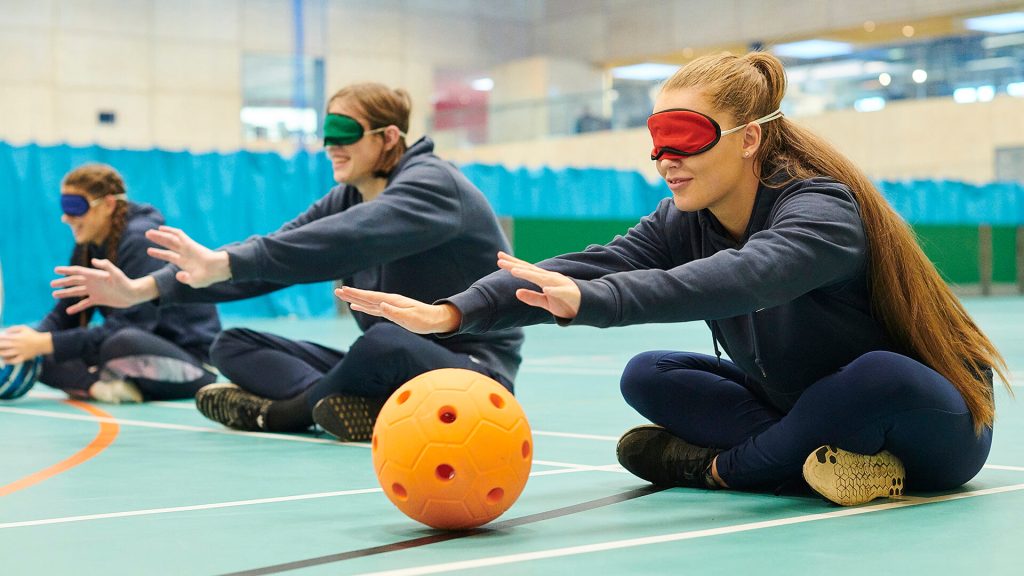
Do you have a passion for sport and inspiring young people to get active? Our dynamic degree prepares you for a future in PE teaching and the wider world of sport and physical activity.
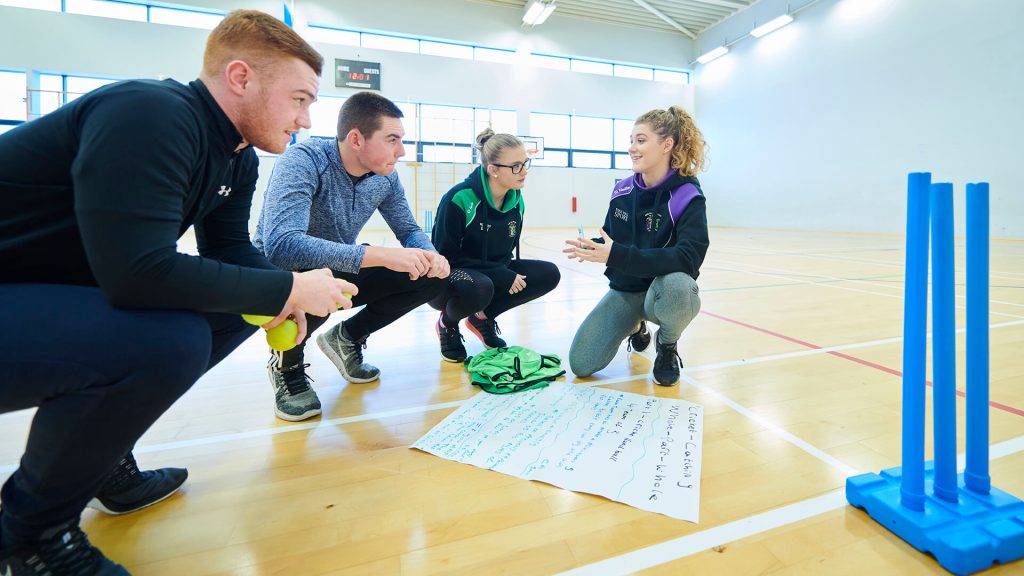
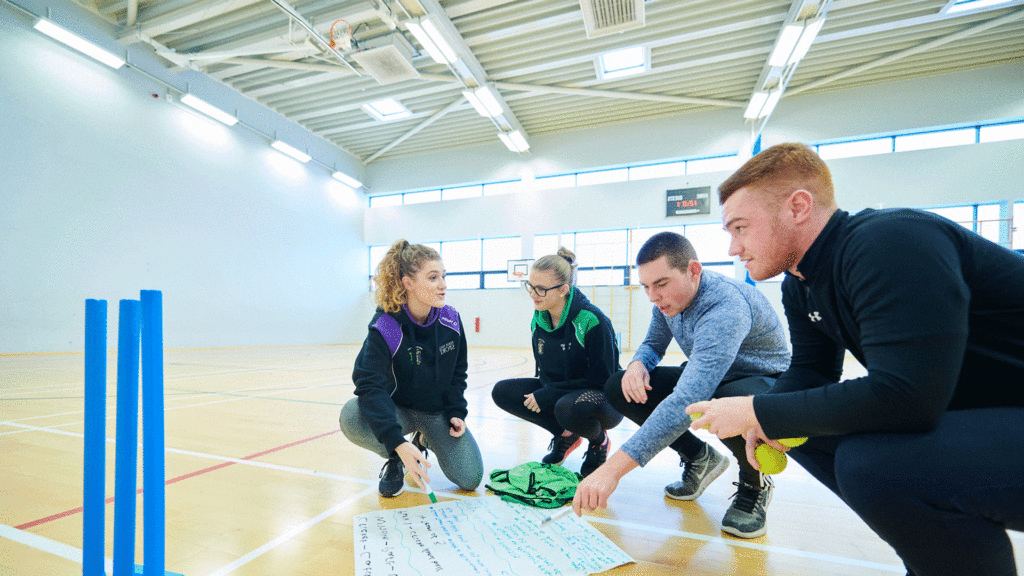
This course combines theory and practical sessions, giving you the opportunity for hands-on learning in our outstanding sports facilities. We’ll give you the tools to promote the benefits of movement and you’ll build practical skills, gain real experience, and discover the pathways that fit your ambitions. With supportive experts by your side, you’ll develop the confidence to lead, inspire and promote active lifestyles, in schools and the other communities. Here, you don’t just study sport, you learn how to make a lasting impact.
We’ll help you build on your skills and sporting know-how, year on year. You’ll become confident working in a school setting in children’s physical activity and health, or youth sport. Start with the basics of the developmental processes, from birth to physical maturity. Then combine this with an understanding of movement skills.
We’ll explore areas like growth and movement development. We’ll look in-depth at the complexities involved with physical activity such as the impact of children’s backgrounds and their learning environments. Everything you learn will align with the fundamentals of teaching young people. You’ll develop skills in critical evaluation and data analysis, and graduate with key transferable research skills.
With a broad understanding of the key age groups, you’ll know the key similarities and differences between them. This course is the perfect springboard for a career in youth sport or children’s physical activity and health. Or if you decide you want to teach, you’ll be ready to move on to a PGCE.
Designed for future PE teachers and sport professionals, this degree explores the full landscape of Sport, Physical Activity and Health. You’ll build practical skills, gain real experience, and discover the pathways that fit your ambitions. With supportive experts by your side, you’ll develop the confidence to lead, motivate and make a difference in the lives of others.
A CIMSPA endorsed degree
Our Physical Education and School Sports degree is endorsed against the professional standards of CIMSPA, the Chartered Institute for the Management of Sport and Physical Activity. You will gain student membership of CIMSPA, for the duration of your degree. This will give you access to resources, guest lectures, work placement opportunities and more.
 BA (Hons) Physical Education and School Sport is endorsed by CIMSPA
Course features
-
International students can apply
-
Sandwich year option available
-
Studying abroad option available
-
Work placement opportunity
-
Professional practice placements
What you'll study
In the first year, you’ll learn how to promote the positives of living a healthy, active lifestyle. We’ll cover school-based health activities and the different approaches and techniques for delivering physical education and school sport. Study children’s growth and development, and the factors that influence their engagement with physical activity. You’ll apply your skills across a number of practical activities, learning how to underpin practice with theory.
We’ll explore the social factors that influence experiences of health and physical education. You’ll also delve into the anatomical, physiological and biomechanical principles underpinning physical education. Take a look into the minds of young people and how to motivate them to move. Analyse models-based practice, and how this can improve teaching in physical education. We’ll introduce the research process so you can devise research questions on a topic of your choice and explore sampling techniques.
Your final year puts theory into practice. Extend your understanding of special educational needs and disabilities and develop teaching skills. You’ll also get the chance to be hands-on and complete a work placement. Using your established research skills, you’ll complete a dissertation in an area of physical education and school sport that interests you. Optional modules also provide the chance to scrutinise issues of power and control in educational environments.
How you'll study
A wide range of methods will be used to help you learn including lectures, seminars, tutorials, workshops, presentations, directed independent study, research and ICT based learning. For each module you will have a module booklet and access to an electronic learning resource area that tells you what sessions are about, what to read, how you will be assessed and coursework guidance.
You will undertake a work-based placement during the final year of the programme.
How you'll be assessed
Assessment is varied. You will learn to write essays, undertake projects, prepare poster presentations, plan/deliver/evaluate teaching sessions and propose and write a piece of original independent research. We use formal written examinations from time to time, but they never account for more than 50% of the marks for any module.
Who will be teaching you
You will be taught by highly experienced and enthusiastic staff with a wealth of experience of working within a physical education context.
The programme team are at the forefront of national and local developments in the subject and are actively involved in research projects that influence the way in which PE and school sport develops.
Where your course includes optional modules, these are to provide an element of choice within the course curriculum. The availability of optional modules may vary from year to year and will be subject to minimum student numbers being achieved. This means that the availability of specific optional modules cannot be guaranteed. Optional module selection may also be affected by timetabling requirements. Some restrictions on optional module choice or combinations of optional modules may apply.
Entry criteria
Typical offer 104-112 UCAS Tariff points, preferably to include Physical Education or a Science subject.
If you accept a formal offer from Edge Hill University you will be required to apply for a Disclosure and Barring Service (DBS) Enhanced Disclosure indicating that you meet the mandatory criteria of ‘Clearance to Work with Children and/or Vulnerable Adults’. Further information will be sent to you after you have firmly accepted an offer.
Example offers
| Qualification | Requirement |
|---|---|
| A Level | BCC-BBC. |
| UCAS Tariff points | 104-112 points. |
| BTEC Extended Diploma (or combination of BTEC QCF qualifications) | Distinction, Merit, Merit (DMM). |
| T Level | Overall grade of Merit. |
| International Baccalaureate (IB) | We are happy to accept IB qualifications which achieve the required number of UCAS Tariff points. Subject-specific requirements at Higher Level (HL) Grade 5 may apply. |
| Access to Higher Education Diploma | 45 credits at Level 3, for example 9 credits at Distinction and 36 credits at Merit or 15 credits at Distinction and 30 credits at Merit. The required total can be attained from various credit combinations. |
Please note, the above examples may differ from actual offers made. A combination of A Level and BTEC awards may also be accepted.
If you have a minimum of two A Levels (or equivalent), there is no maximum number of qualifications that we will accept UCAS points from. This includes additional qualifications such as Extended Project Qualification (EPQ), AS Levels that haven't been continued to A Level, and General Studies AS or A Level awards.
English language requirements
International students require IELTS 6.0, with a score no lower than 5.5 in each individual component, or an equivalent English language qualification.
Fair Entry Criteria
Our new Fair Entry Criteria is a Contextual Admissions Policy that takes an applicant’s personal and educational background into account. This policy will allow eligible applicants to receive up to a two-grade reduction in their entry requirements for this course. Find out more and see if you qualify.
How to apply
Apply full-time
Read our guide to applying through UCAS to find out more about the application process.
International
Please see our international student pages for further information about how to apply as a prospective international student.
Should you accept an offer of a place to study with us and formally enrol as a student, you will be subject to the provisions of the regulations, rules, codes, conditions and policies which apply to our students. These are available at www.edgehill.ac.uk/studentterms.
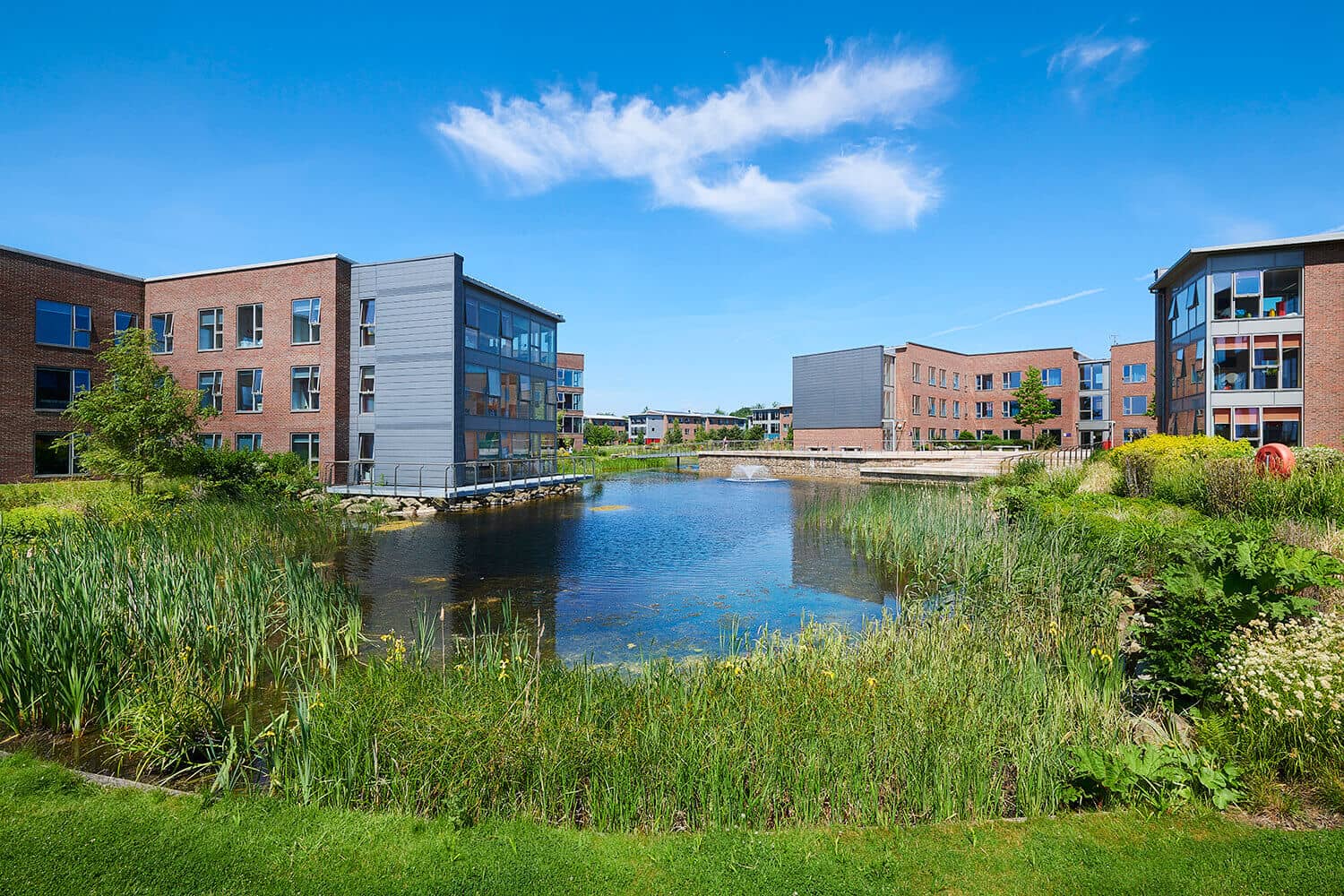
If you join a full time undergraduate degree at Edge Hill University, we will guarantee you the offer of a room in our halls of residence for the first year of your course.
Discover our accommodation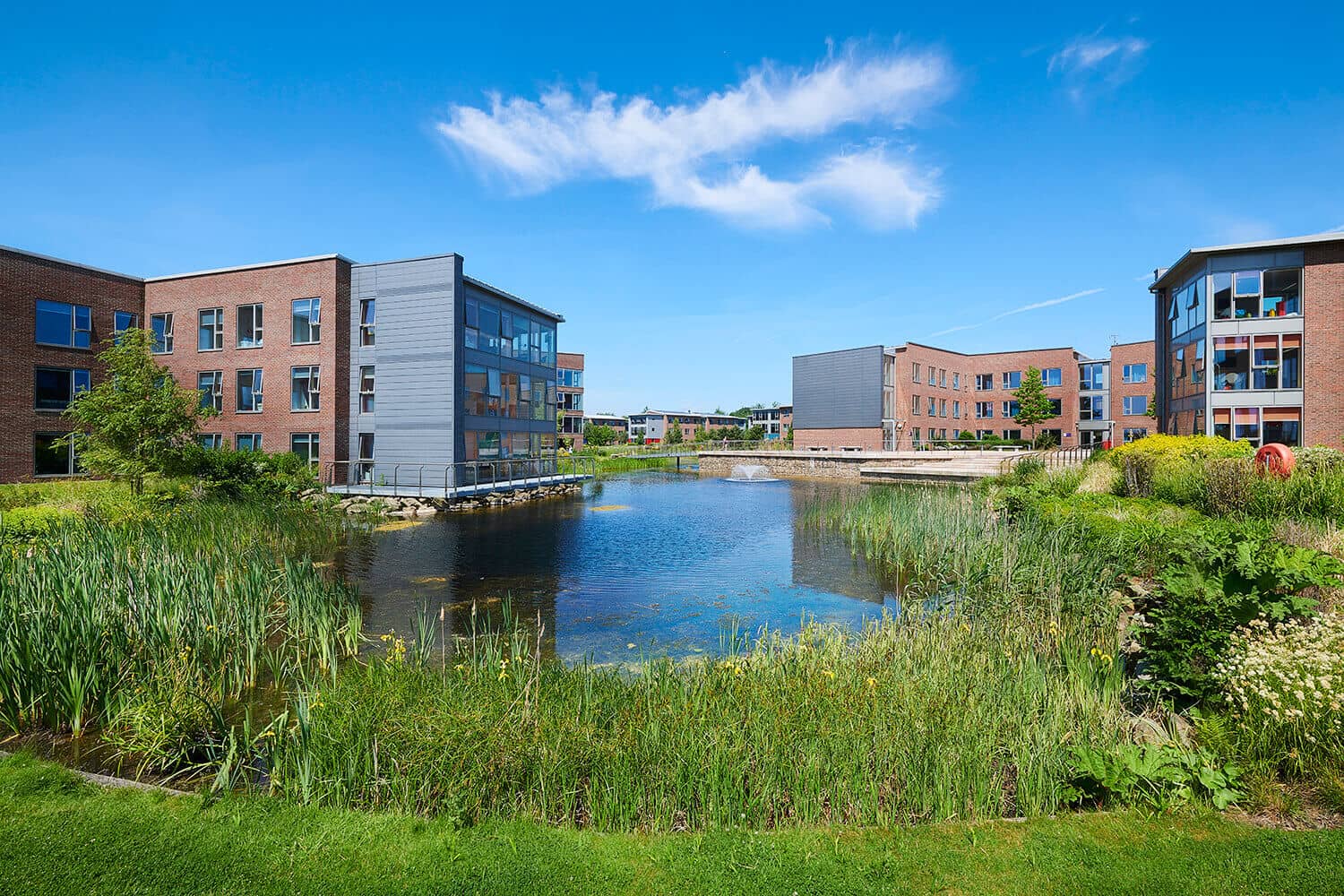
Facilities
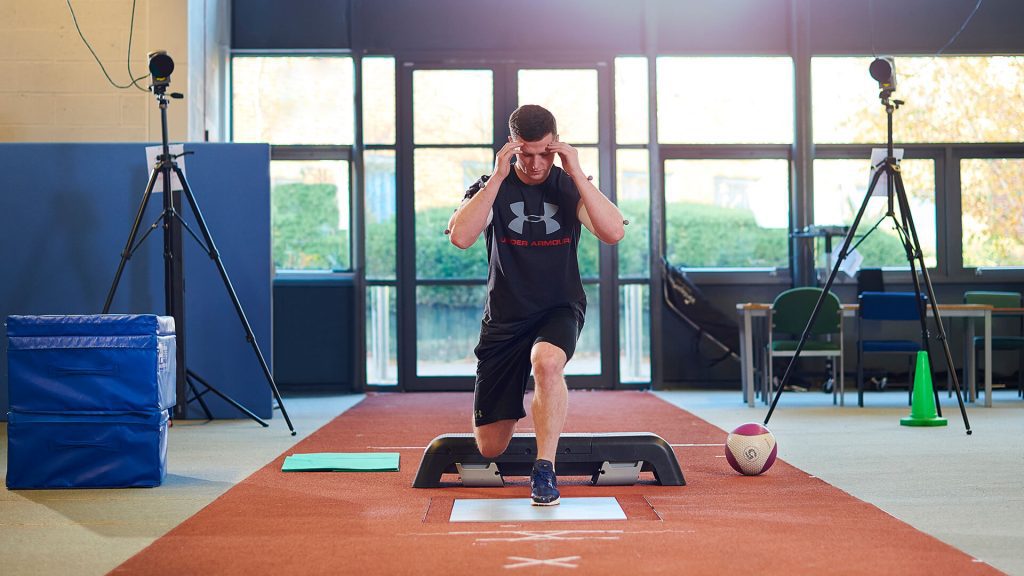
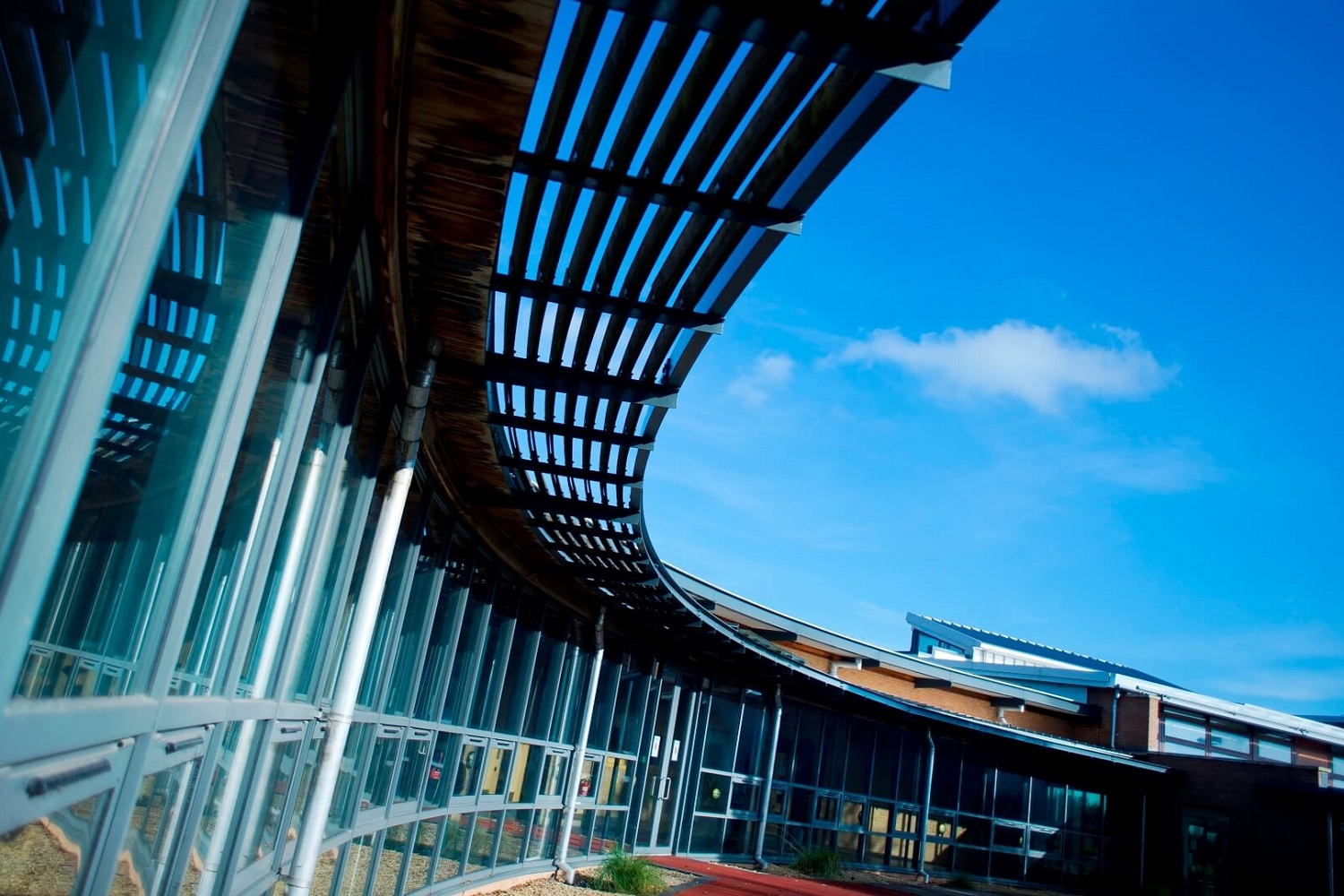 Based in the Wilson Centre, the Department of Sport and Physical Activity places a strong emphasis on practical work underpinned by outstanding facilities. There are dedicated laboratories in performance analysis, biomechanics, physiology, psychology, musculoskeletal, biochemistry, vision analysis, sleep, exercise and performance, and functional rehabilitation, as well as a sports therapy clinic.
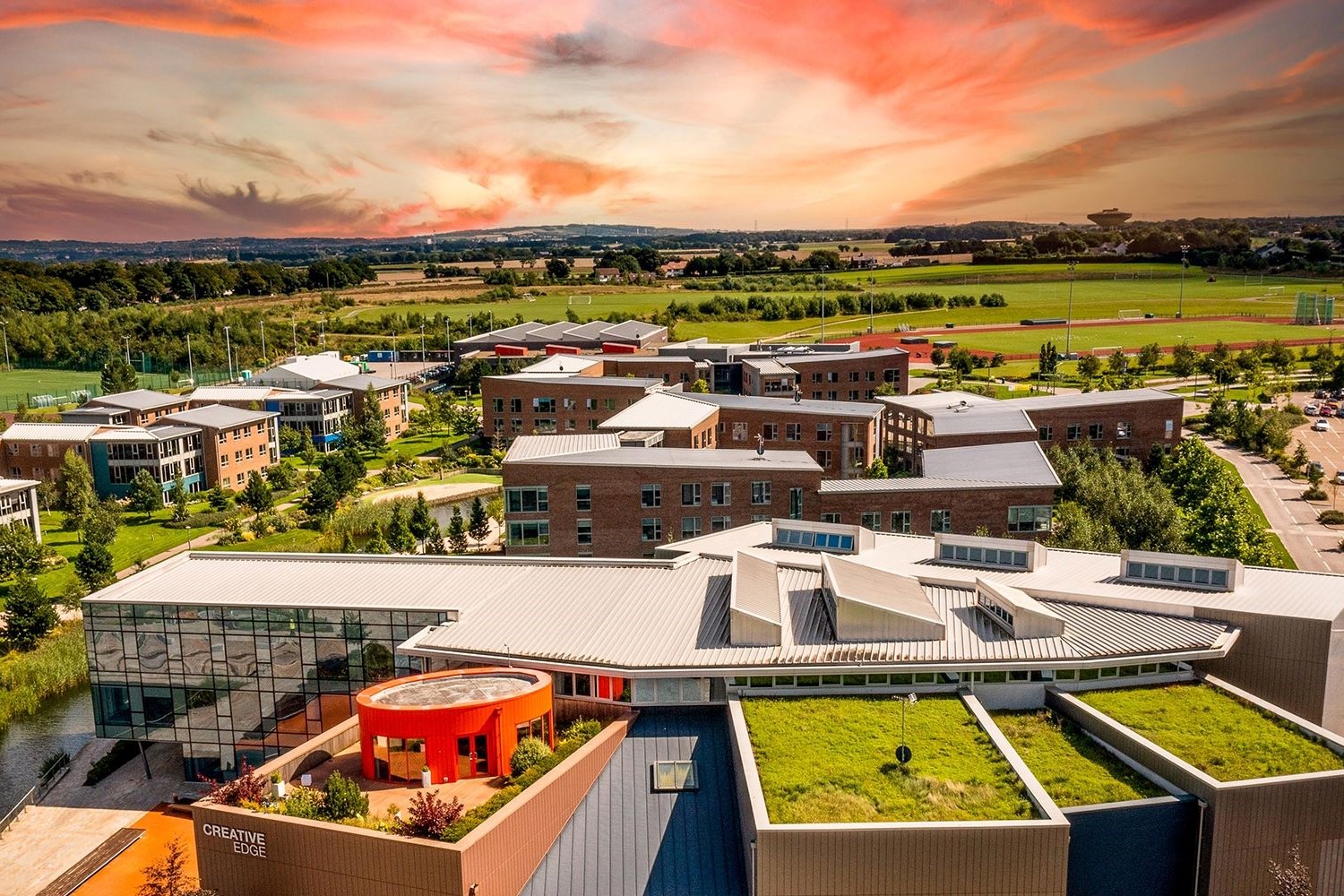
Extensive use is also made of the on-campus leisure facilities which include top-of-the-range 3G football and rugby pitches, hockey pitches, tennis courts, competition-standard athletics track and an athletics field. Our sports centre boasts a 25-metre swimming pool, double sports hall for badminton, basketball, netball and squash, a 100-station fitness suite, aerobics studio and a health suite with sauna and steam rooms.
Where you'll study
Finance
Tuition fees
UK Full-Time
£9,790
a year
International
£14,500
a year
EU/EEA and Swiss students who have settled or pre-settled status under the EU Settlement Scheme, as well as Irish nationals, may be eligible for the UK tuition fee rate.
Financial support
Subject to eligibility, UK students joining this course can apply for a Tuition Fee Loan from the Government to cover the full cost of tuition fees. UK students enrolling on the course may also be eligible to apply for additional funding to help with living costs.
Scholarships
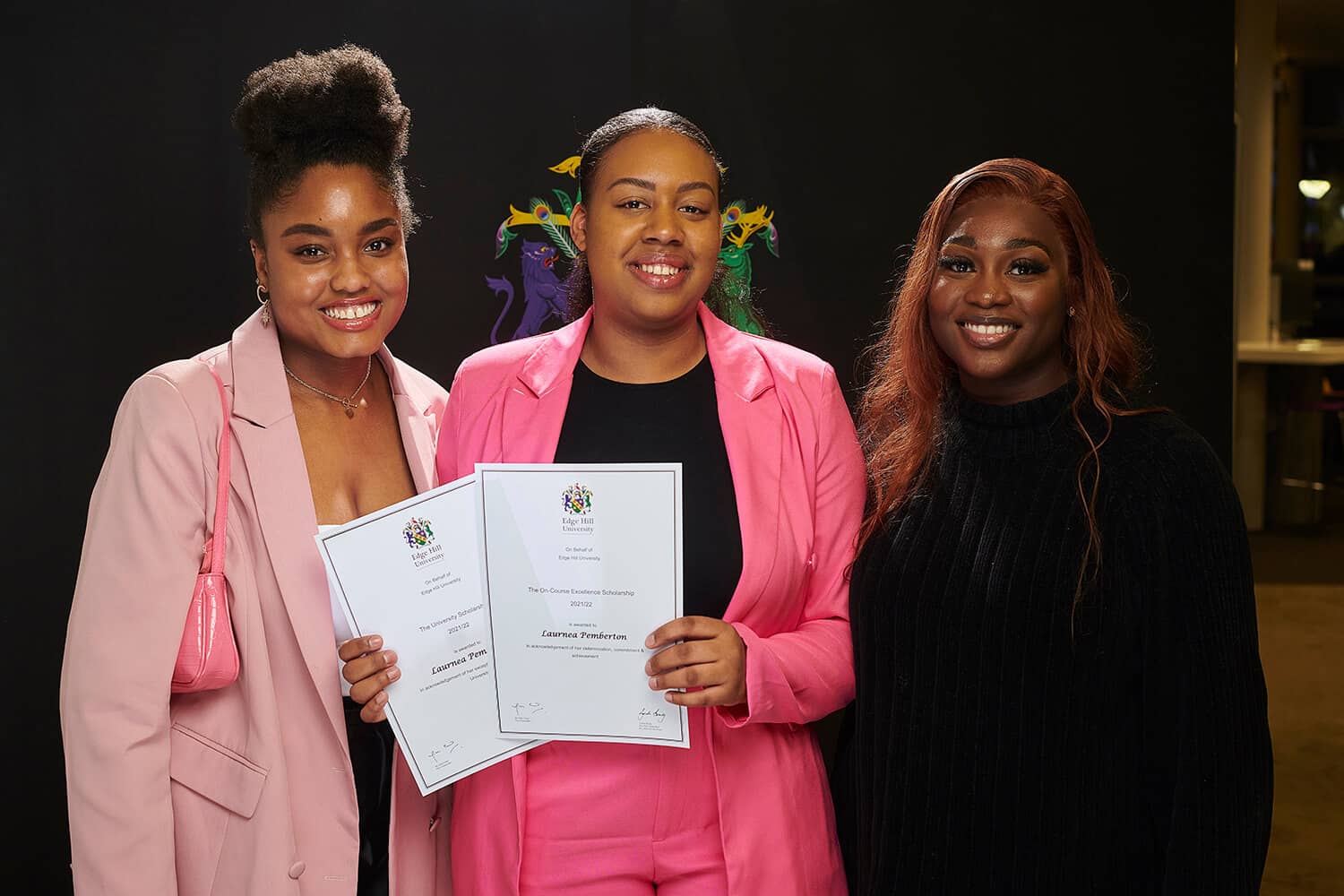
We offer a range of scholarships, which celebrate the determination, commitment and achievement of our students. Many of our scholarships are awarded automatically. There are some however, where you will need to be involved in an application or nomination process. To find out more about our scholarships and check your eligibility, please visit our dedicated scholarships pages.
Money Matters
Please view the relevant Money Matters guide for comprehensive information about the financial support available to eligible UK students.
EU/EEA and Swiss students who have settled or pre-settled status under the EU Settlement Scheme may be eligible to apply for financial support. Irish nationals can ordinarily apply to Student Universal Support Ireland (SUSI). If you are an EU student who does not have settled or pre-settled status, or are an international student from a non-EU country, please see our international student finance pages.
Your future career
You’ll leave Edge Hill prepared for a wide range of career pathways in physical education and school sport. The most popular career pathway for graduates of this course is to work as a PE teacher in secondary schools, following the completion of a PGCE.
Your skills can also be transferred to the sports industry or similar occupations. Some students may also choose to complete a Masters or go on to start their own business.
After their time in the classroom, previous students have fulfilled exciting roles such as:
- Physical Education Lecturer
- Secondary School Science Teacher
- Physical Education Officer
- Education Mental Health Practitioner
- Subject Coordinator of Physical Education
- Trainer in a corporate gym
Kickstart your career right away or take some time to further your studies. A PGCE in Secondary Education is a common postgraduate study option. You could also complete a PGCE in early years or primary education – and you’ll be well placed to become the Physical Education subject lead within a school.
Course changes
Every effort has been made to ensure the accuracy of this information, however our courses are subject to ongoing review and development. Changing circumstances may necessitate alteration to, or the cancellation of, courses.
Changes may be necessary to comply with the requirements of professional bodies, revisions to subject benchmarks statements, to keep courses updated and contemporary, or as a result of student feedback. We reserve the right to make variations if we consider such action to be necessary or in the best interests of students.