Skip to content Skip to section specific navigation Edge Hill University

BA (Hons) Dance

Summary 2012/13

  • Top in the UK for overall student satisfaction in the National Student Survey 2011;
  • Options to study Dance with Design, Music and Sound or Aerial Performance;
  • Create, collaborate and reflect on contemporary dance practice in professional standard facilities.

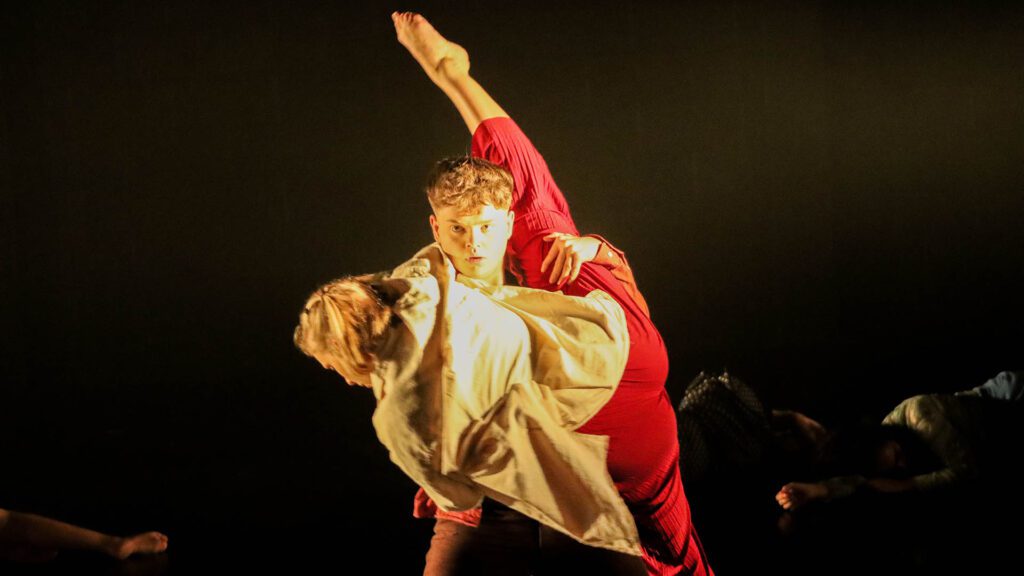
Our Dance degree has been ranked top in the UK for overall student satisfaction in the National Student Survey 2011. It offers a thorough, broad-based education for the dance artist of the future.

Balancing technical training, creative development and theoretical and analytical study, it is designed to develop a reflective and articulate practitioner with a range of skills sought after within the industry including choreography, dance techniques, performance, dance teaching and dance science.

This unique degree allows you to explore dance styles from contemporary, ballet, popular (jazz, hip hop, capoeira) to social, folk and somatic practice. Optional pathways are available in Design, Music and Sound and Aerial Performance.

Campus: Ormskirk Campus, Edge Hill University
UCAS: W500
Course Type: Undergraduate Degree
Attendance & Study Mode:
3 years: Full Time
Start Date: September 2012

2012 Entry Requirements

Typical offer 280 UCAS tariff points overall, preferably to include Dance or a related subject at grade B or equivalent, although relevant experience will be taken into account. All offers are made on the basis of an audition workshop.

If you accept a formal offer from Edge Hill University you will be required to apply for a Criminal Records Bureau Enhanced Disclosure indicating that you meet the mandatory criteria of 'Clearance to Work with Children and/or Vulnerable Adults'. Further information will be sent to you after you have firmly accepted an offer.

Summary 2013/14

  • Top in the UK for overall student satisfaction in the National Student Survey 2011;
  • Options to study Dance with Design, Music and Sound or Aerial Performance;
  • Create, collaborate and reflect on contemporary dance practice in professional standard facilities.

Our Dance degree has been ranked top in the UK for overall student satisfaction in the National Student Survey 2011. It offers a thorough, broad-based education for the dance artist of the future.

Balancing technical training, creative development and theoretical and analytical study, it is designed to develop a reflective and articulate practitioner with a range of skills sought after within the industry including choreography, dance techniques, performance, dance teaching and dance science.

This unique degree allows you to explore dance styles from contemporary, ballet, popular (jazz, hip hop, capoeira) to social, folk and somatic practice. Optional pathways are available in Design, Music and Sound and Aerial Performance.

Campus: Ormskirk Campus, Edge Hill University
UCAS: W500
Course Type: Undergraduate Degree
Attendance & Study Mode:
3 years: Full Time
Start Date: September 2013

2013 Entry Requirements

Typical offer 300 UCAS tariff points overall, preferably to include Dance or a related subject at grade B or equivalent, although relevant experience will be taken into account. All offers are made on the basis of an audition workshop.

If you accept a formal offer from Edge Hill University you will be required to apply for a Criminal Records Bureau Enhanced Disclosure indicating that you meet the mandatory criteria of 'Clearance to Work with Children and/or Vulnerable Adults'. Further information will be sent to you after you have firmly accepted an offer.

Details

Who is this course for?

If you are passionate about dance and movement and aim to work at the cutting-edge of dance practice then this is the programme for you. Students joining this programme are expected to have a desire to engage people in inclusive dance and movement experiences in a variety of applied and performance settings. You should also be looking to become an articulate practitioner who understands the key concepts that underpin dance in relation to culture.

What will I gain from this programme?

You will gain skills in a mixture of dance and movement practices including contemporary, jazz, contact improvisation, capoiera and somatic practice. This will provide a rich palette which you can apply as you learn the skills to become a facilitator of dance in the community and education. Alongside this you will gain expertise in performance and how to make dances in both theatre and non-theatre settings. You will learn about theories and concepts relating to dance and utilise this knowledge as a foundation for autonomous work and enterprise.

How we will support you

The Department offers an ‘open office’ policy to ensure you have ready access to a tutor for academic advice and pastoral care. You are assigned a personal tutor at the beginning of each year of study. In addition, a personal tutorial week occurs in each semester to ensure you engage at least twice a year in a reflective discussion on your progress with your personal tutor.

The University Library offers a comprehensive resource of relevant books, journals, DVDs and the ‘Edge Ahead Centre’ offers you independent study skills tuition to support you in your learning.

What will I study?

The degree is organised into three integrated strands of study and technique classes are embedded across the programme throughout all modules.

Dance Analysis - in Year 1 you learn to analyse and read the structure of dance works of the Western performance tradition. Year 2 looks at the body and performance, and places Dance practice in its social and historical context. In Year 3 you gain an introduction to critical theory in dance scholarship and undertake independent research.

Applied Dance - Applied Dance examines and explores the making of dance involving specific client groups in areas such as education, community, health and welfare settings. In Year 1 you look at dance education and dance in the community while in Year 2 you develop and deliver projects in these areas. In Year 3 you learn to propose and manage dance projects and work with professional artists.

Dance Production and Choreography - This strand begins in Year 1 with considering ways in which dance is created with an opportunity to create dance performance. In Year 2 this is extended while studying composition and creating further dance performances. In Year 3 you are encouraged to work more independently and have opportunities to work on projects with a professional focus.

How will I study?

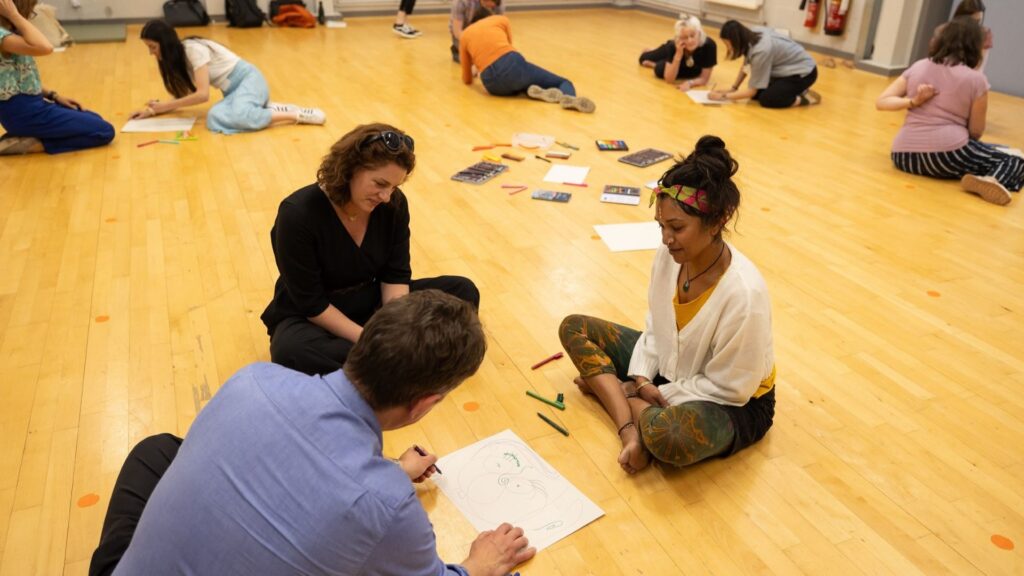
Through a wide range of teaching styles from formal lectures and seminars to practical workshop classes, production projects, independent ensemble work, technique classes and personal research, you will acquire critical and creative skills which will be of use in a wide range of future careers. You will develop a personal portfolio and prepare practice CVs for employment, supported by sessions in development planning.

Who will be teaching me?

The Performing Arts team work closely together in acknowledgement of the collaborative nature of performance. Our team of academics, practitioners and technical staff, together with a range of part-time industry professionals and academic specialists, offer a wide range of learning experiences.

How will I be assessed?

Assessment is through practical and written work, including essays, portfolios, seminar presentations, workshop performances and full productions. All practical work in dance demands theoretical justification, so most modules will require either a piece of writing or an oral presentation. You will reflect on your learning in each assessment and summarise your development regularly.

What are my career prospects?

You could consider a career as a performer, choreographer, teacher of dance, dance officer, youth dance practitioner, in business, administration, community arts, youth service, writing for dance, further study in arts, movement therapy or postgraduate study and research.

Further study at Edge Hill University

MA Making Performance

Related Programmes

A Great Study Environment

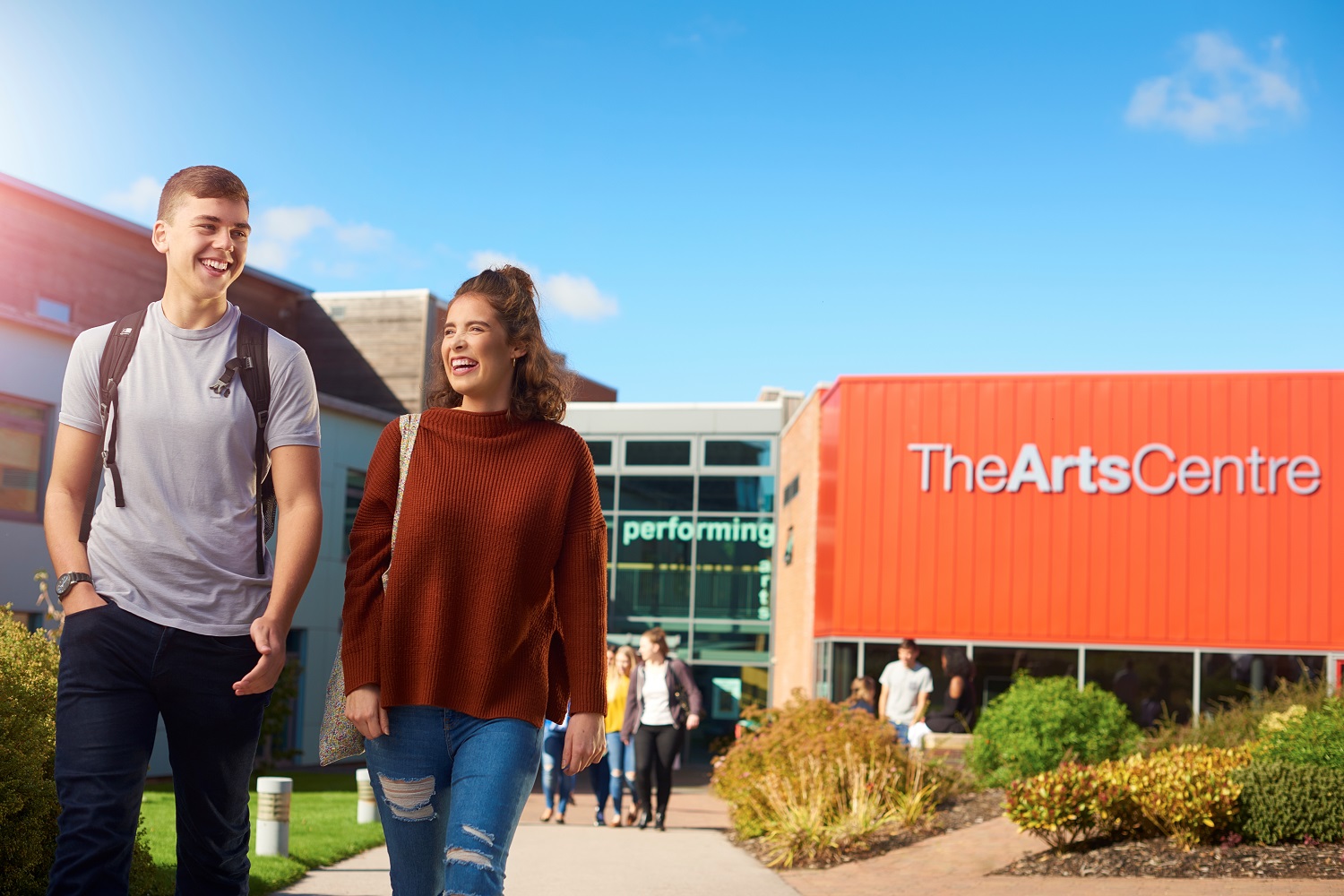
Performing Arts students at Edge Hill University enjoy excellent facilities and technical support, and benefit from having a purpose-built professional venue, The Rose Theatre, on campus. Our £5 million Centre for the Performing Arts contains a second fully-seated auditorium; two dance studios; four additional performance studios; three rehearsal studios; seminar rooms; costume, props and scenic design workshops; a fully-equipped scene dock; and state-of-the art equipment for developing skills in theatre technology.

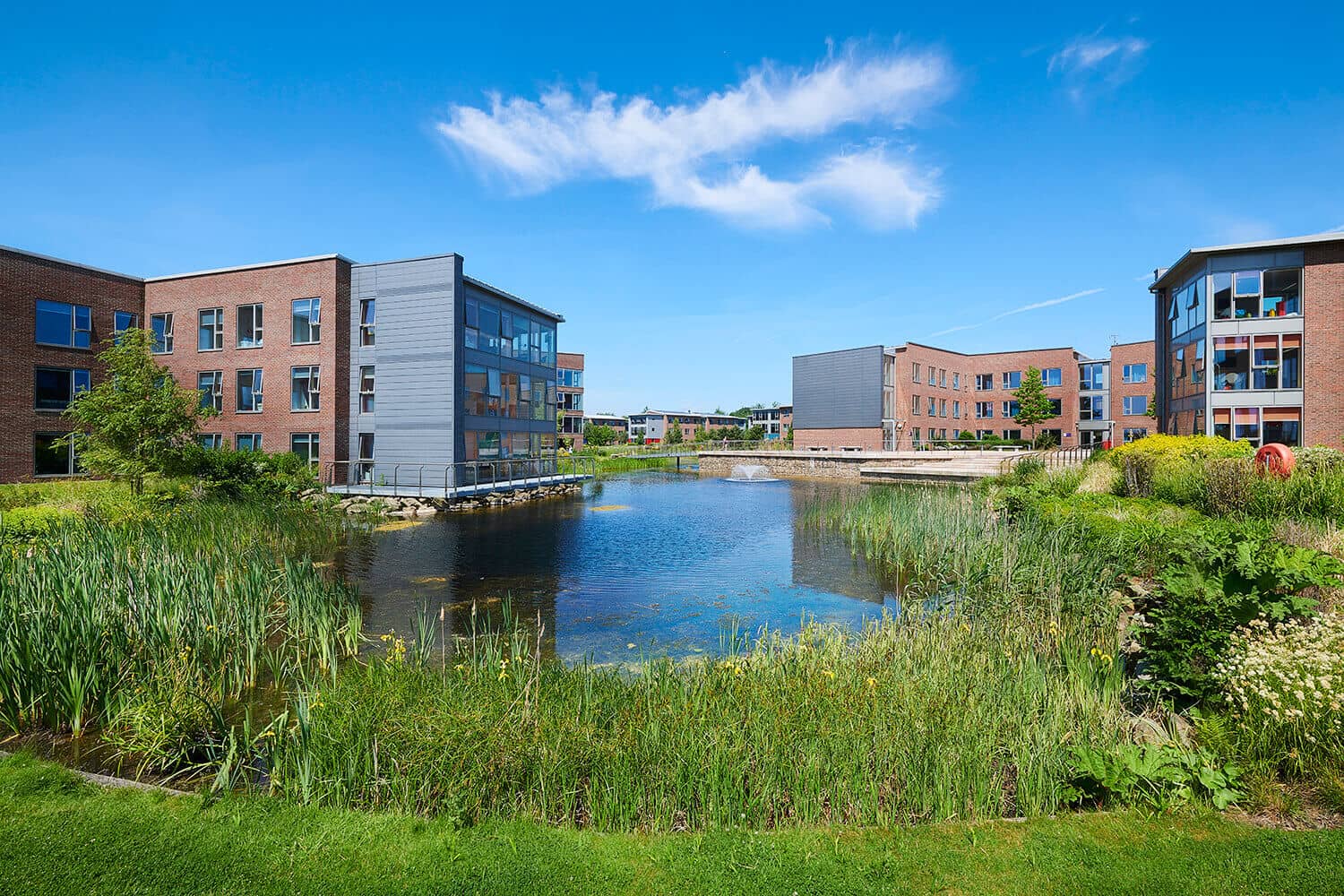
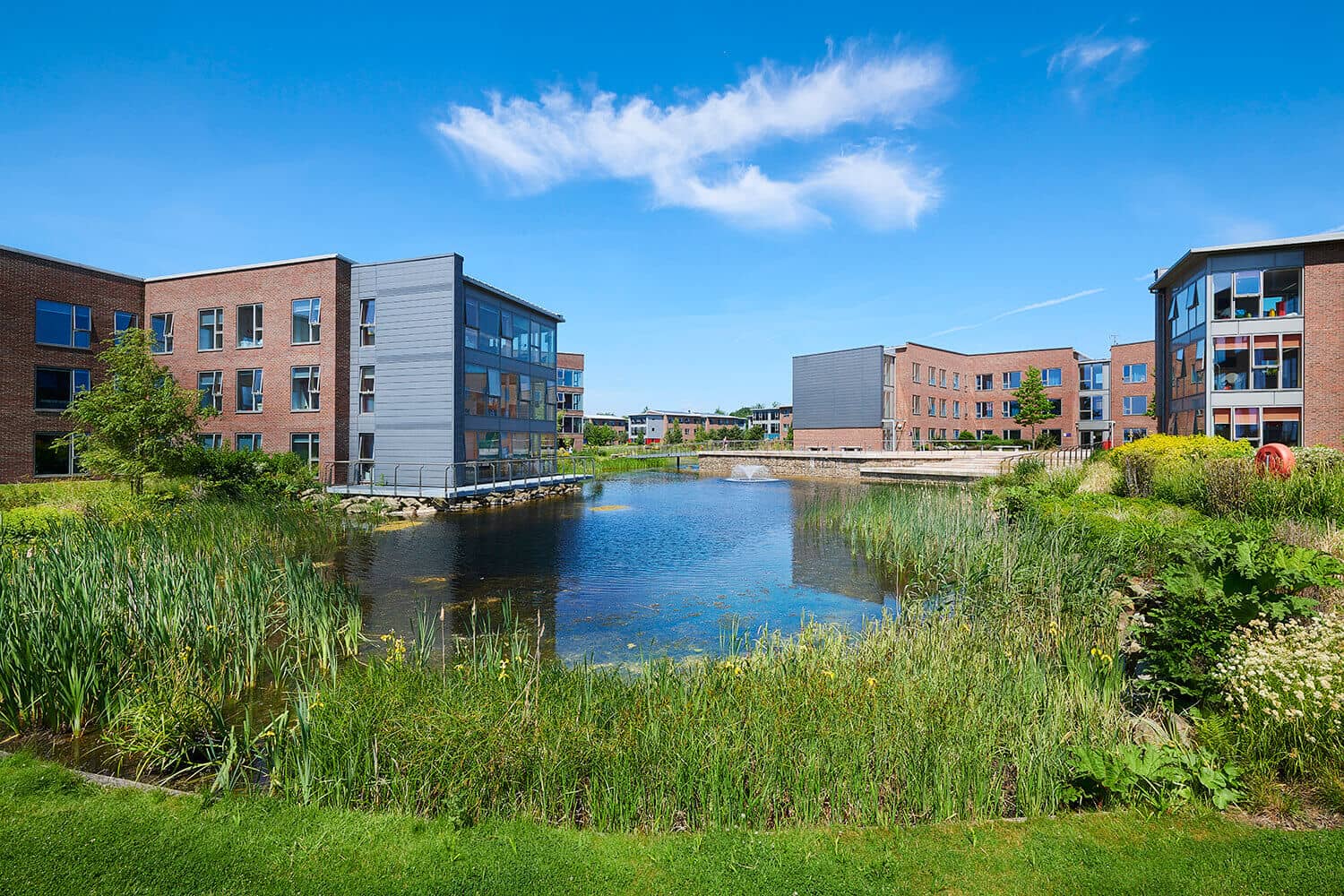
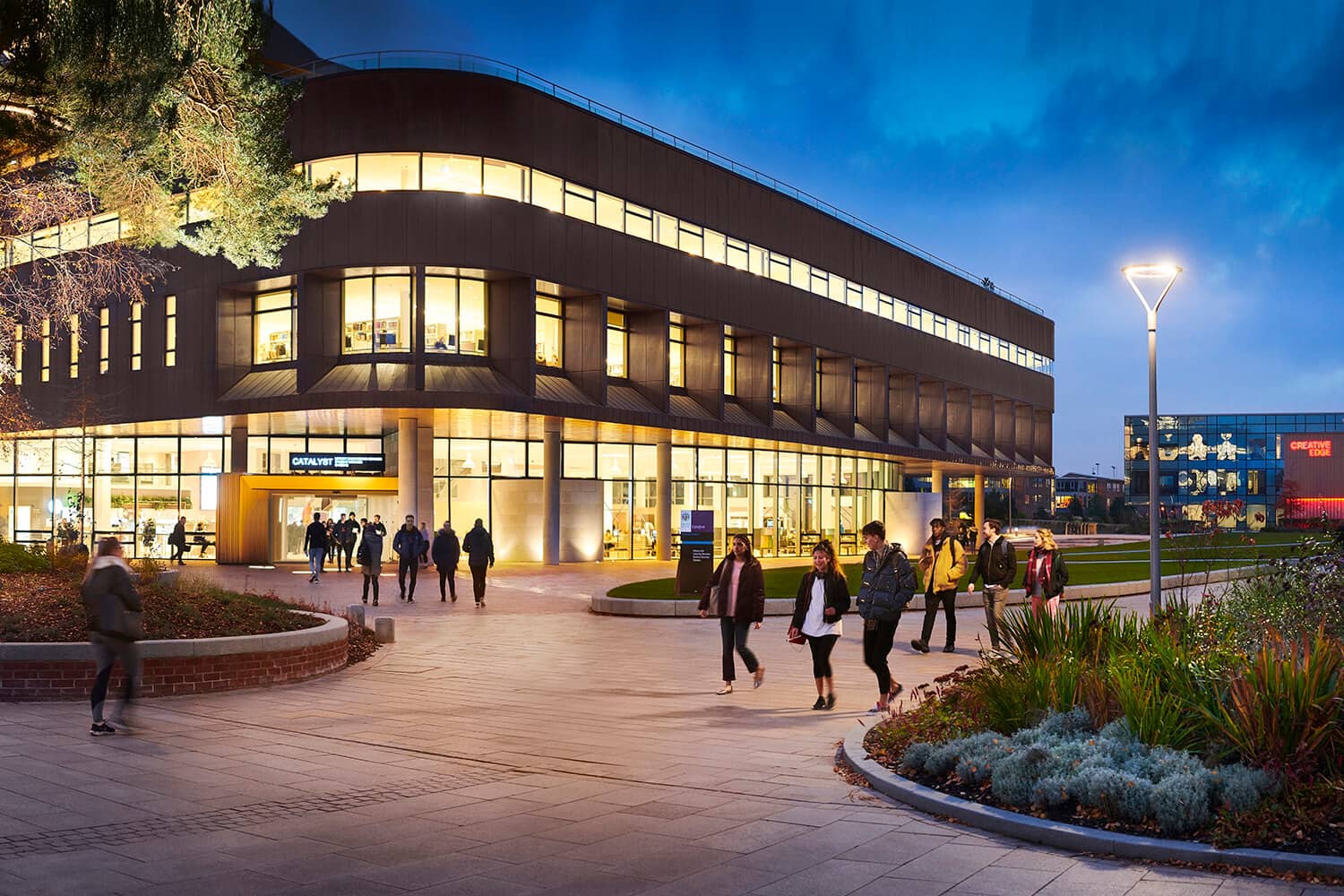
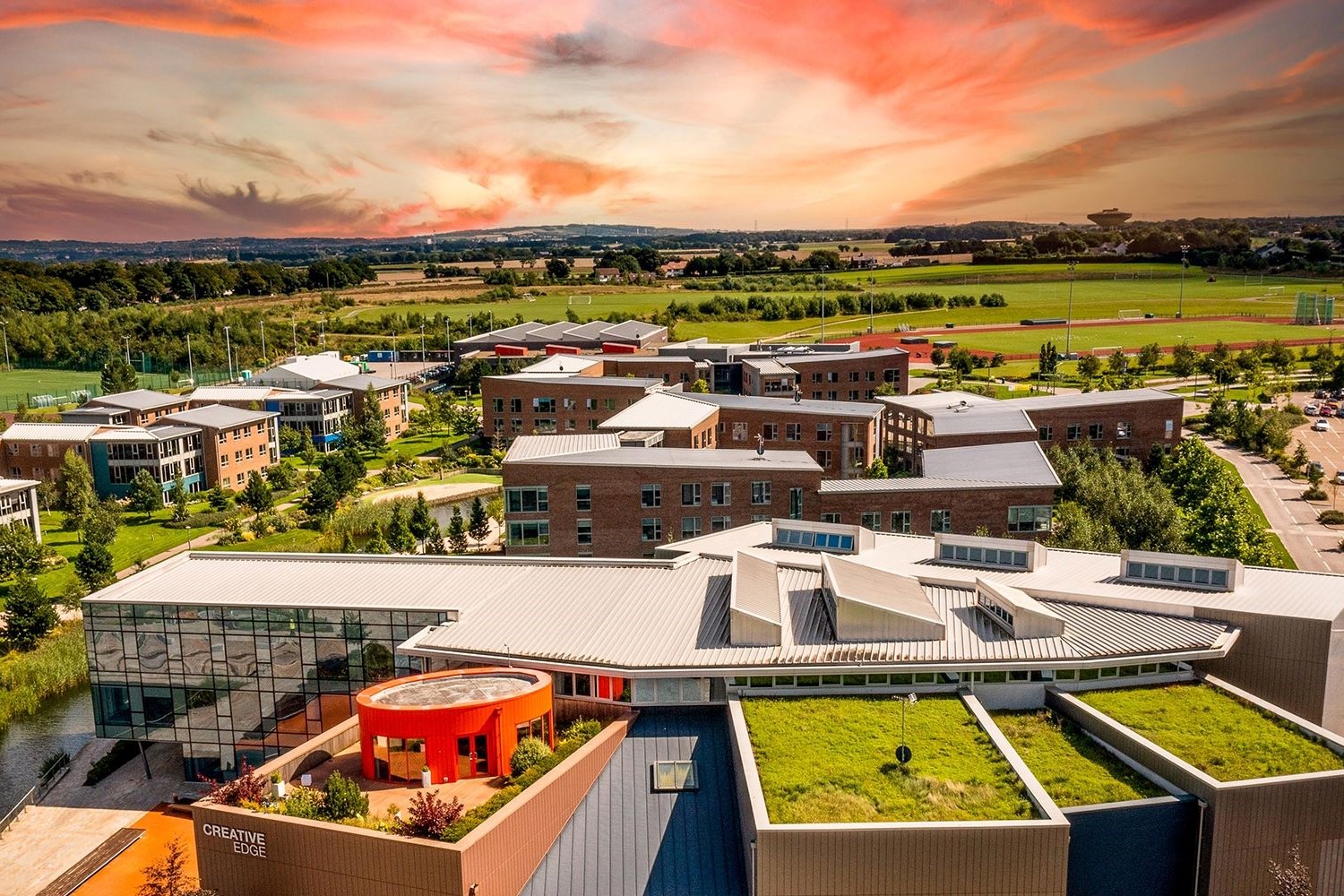
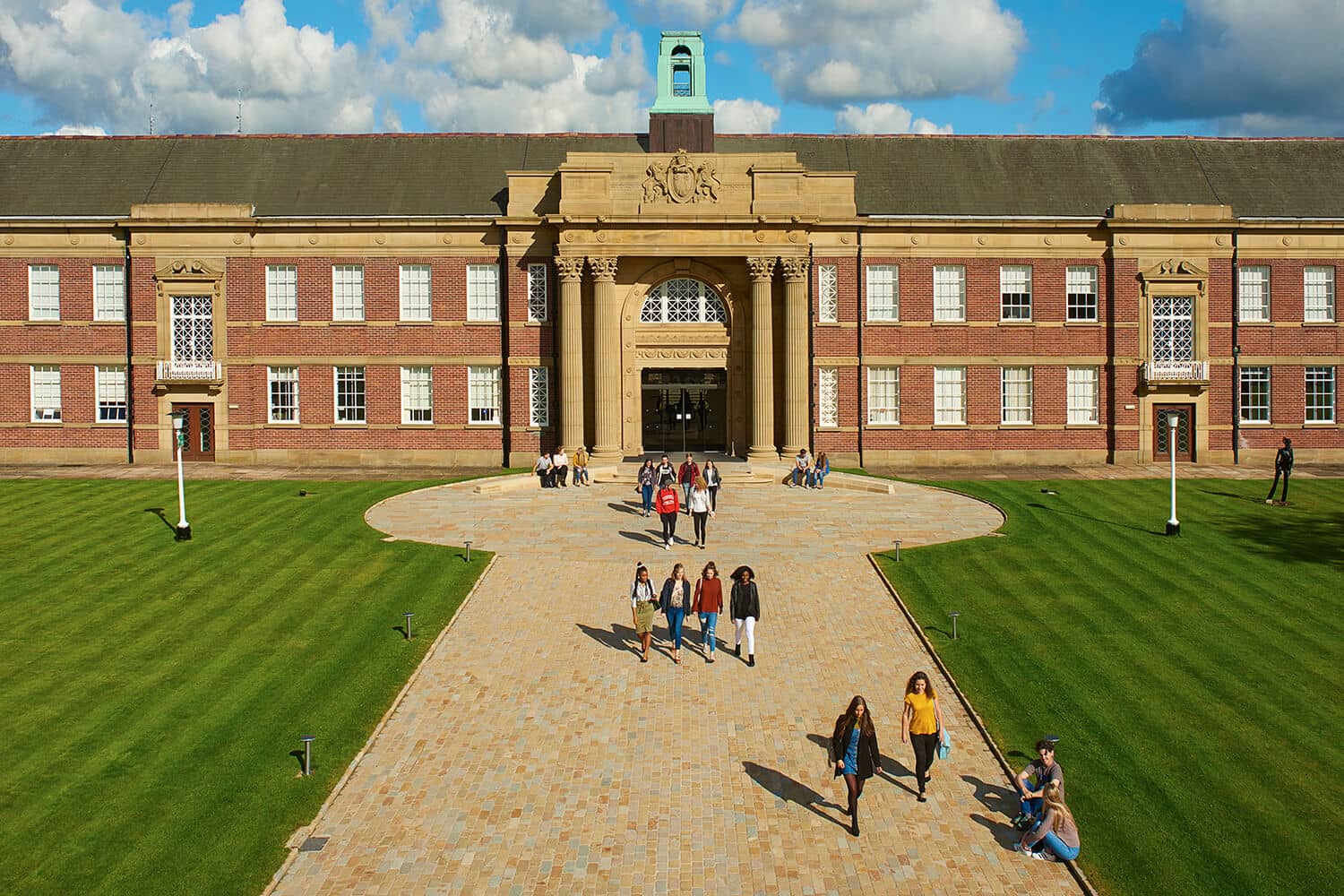
Based in 160 acres of beautifully landscaped grounds, the Ormskirk Campus is a unique and inspirational place to study. Industry standard resources and cutting edge technology combine to make an interactive and highly advanced teaching and learning environment. Everything you could want is on one site with 25 acres of sport and leisure facilities, more than 1,400 rooms in halls of residence and fantastic modern spaces in which you can study and socialise.

The University library gives you access to thousands of books, journals, online resources and extensive PC and media provision. You'll get all the support you need to succeed, reflected in Edge Hill University being ranked in the top two in England for students' personal development, and the top three in the country for assessment and feedback, in the 2011 National Student Survey. The University is also featured in the top four in England for graduate employment.

How do I apply?

Apply online through UCAS at www.ucas.ac.uk.

Visit www.edgehill.ac.uk/apply for more information on the application process and our Admissions criteria.

Fees and Finance

For academic year 2012/13, Edge Hill University will charge £9,000 for full-time BA, BSc and LLB degrees. Eligible students will not have to pay upfront for their tuition. The cost of tuition will be paid by a loan which you will only start to repay once you have finished the course and are earning over £21,000.

Eligible full-time students can also apply for a maintenance grant, subject to household income, and a non-means-tested loan to help with living costs.

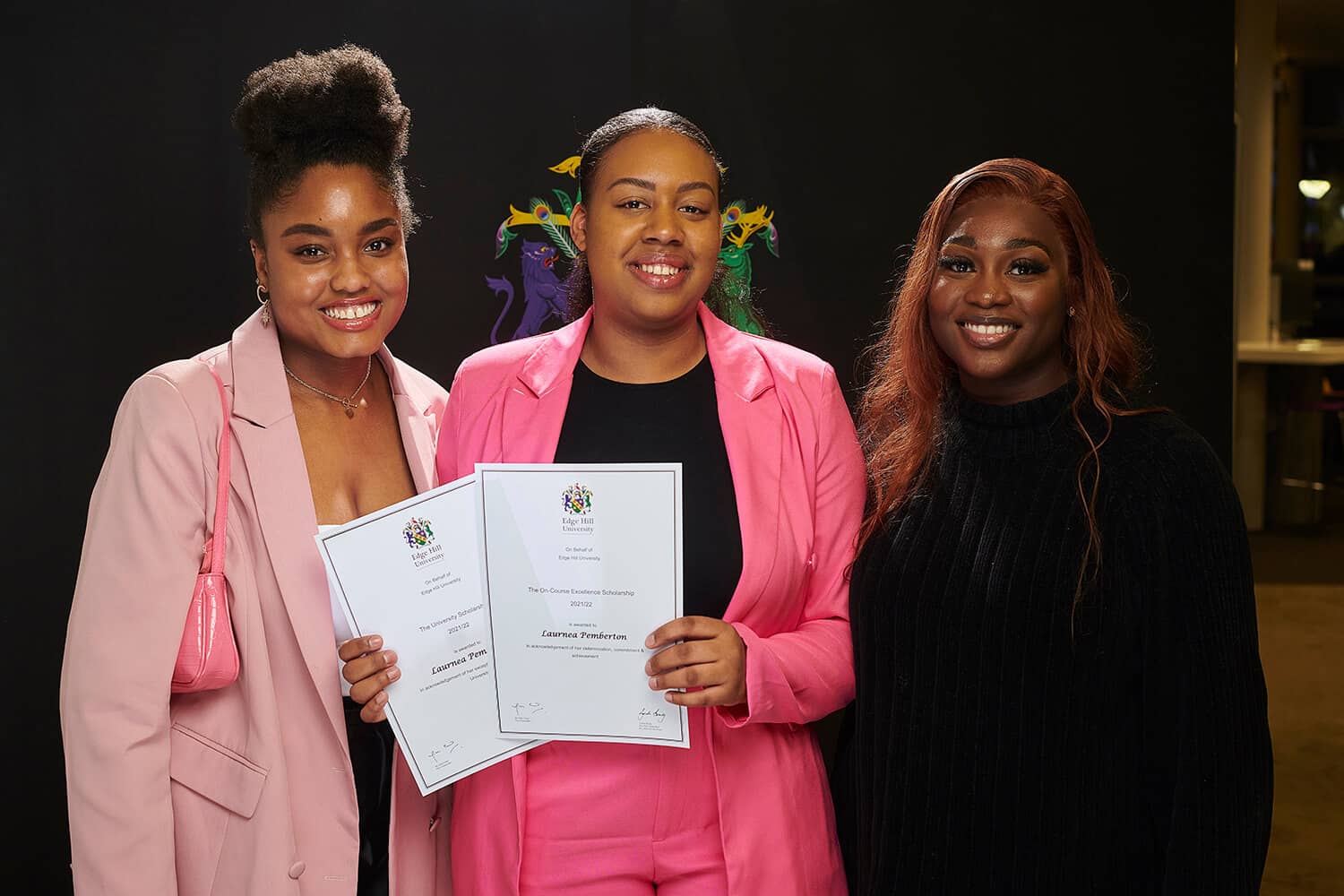
Edge Hill University offers a range of scholarships for prospective full-time students. These include £2,000 Entrance Scholarships rewarding determination, commitment and achievement in creative arts, performing arts, sport and volunteering. Eligible entrants with outstanding grades are recognised through the £1,000 High Achievers Scholarship.

The University will also be offering awards, worth £3,000 in cash benefits and fee/accommodation waivers for academic year 2012/13, to eligible prospective full-time students through the National Scholarship Programme.

For more information on scholarships, including eligibility criteria for each award, visit www.edgehill.ac.uk/scholarships.

To find out more about fees, grants and loans for academic year 2012/13, visit www.edgehill.ac.uk/undergradfees2012.

Please note, the above information is for UK and eligible EU students only. International students should check the fees and finance information at www.edgehill.ac.uk/internationalfees2012.

Not got the entry requirements?

Students returning to education may present their previous experience in work to support their application and those returning to education with other access to Higher Education qualifications are welcome. If you have relevant study through either a professional body or appropriate academic course you may be able to join the programme at an advanced stage. In all cases, students returning to education will also be required to go through the audition selection process.

Where can I find out more?

If you would like to receive a copy of our prospectus or be kept updated about forthcoming events, contact the Course Information, Advice and Guidance Team by emailing study@edgehill.ac.uk or calling 01695 657000.

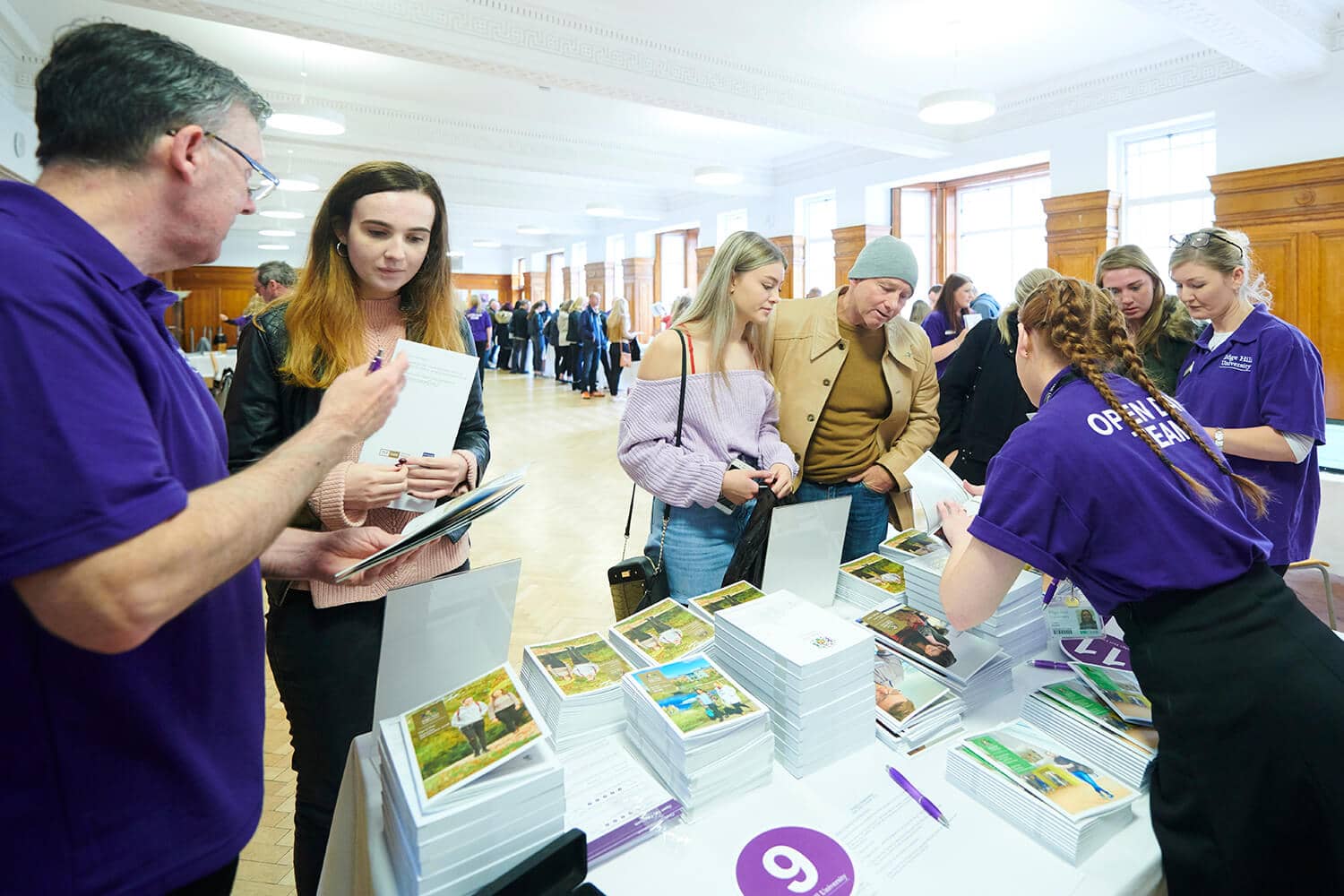
If you want to attend one of our open events held throughout the year, visit www.edgehill.ac.uk/opendays to book your place.

You will also find Edge Hill University staff at many national careers fairs and UCAS events.

Still want more?

If you have any questions you would like to ask the programme leader about this course, please contact:

  • Phil Christopher, Performing Arts Department, Faculty of Arts and Sciences, Edge Hill University, St Helens Road, Ormskirk, Lancashire, L39 4QP
  • Tel: 01695 584688
  • Email: chrisp@edgehill.ac.uk

Overseas students should visit www.edgehill.ac.uk/international or email international@edgehill.ac.uk for further information.

Modules

Year 1

DAN1000 Writing Dance focuses on the methods of close observation which will facilitate your skills in identifying, describing and interpreting dance. Alongside focused studio practice, you will watch and write about live and recorded dance performances using a range of practical, observational and textual frameworks to support analytical description. You may also investigate wider processes of dance documentation, such as writing reviews, journals and critical reflection.

DAN1002 Western Theatre Dance introduces you to selected histories of Western Theatre Dance, studying theory alongside focused studio practice. The module outlines the development of dance as an art form within western culture, looking at traditions and innovations in Europe and America. Practical and theoretical approaches are used to identify and discuss the work of key artists in relation to historic practices, concepts and contexts, which may include developments of ballet, modern and post-modern dance.

DAN1003 Dance Practice in Education guides you through the creation of an applied dance project focusing upon dance in education. You will identify and devise an appropriate project for a formal setting and present your plans with key illustrations of practice in the controlled setting of the university. The practical work is informed both by the theoretical and historical study of applied dance alongside focused studio practice.

DAN1004 Dance Practice in the Community is a project-based module where you are guided through the creation of an applied dance project focusing on a range of informal community settings. You will identify and devise an appropriate project for a chosen setting and present your plans with key illustrations of practice in the controlled setting of the university. The practical work is informed both by the theoretical and historical study of applied dance alongside focused studio practice.

DAN1005 Making Dance is a practice-based module which introduces you to dance making and movement enquiry. You will investigate composition, explore relationships and experiment with movement through experiential analysis of contemporary and post-modern dance practice. Alongside focused studio practice, you will develop your abilities in the devising of movement, present short choreographic studies and demonstrate your capacity to outline and discuss your practical and research processes.

DAN1006 Dance Making and Performance further develops your skills in devising and creating dance. You will engage in the making, rehearsal and performance of a small-scale dance piece under the direction of a tutor undertaking the role of choreographer. The module focuses on areas such as developing performance and technical ability as well as considering intentional points such as creating from an improvisational, conceptual or thematic/issue base. Throughout the devising period, you will explore approaches to movement making and composition in preparation for public performance of the dance work.

Year 2

PAR2060 Performance and the Body will examine current perceptions of performance through expanding knowledge, understanding and experience of the body. Underlying this is the principle that as you develop your sense of self awareness, you are more able to adapt your artistic practice to a variety of diverse settings, in particular those associated with health and wellbeing. You will explore practice relating to the notion of the ‘Lived Body’ and Eastern Philosophy and traditional discourse which supports the separation of the body and mind in both health and performance contexts.

DAN2007 Dance Practice in Context will extend your understanding of current dance practice by exploring histories and traditions of global, social and popular dance. Alongside focused studio practice in international and social dance forms, you will critically investigate current scholarship, theories and methods of contextualising the cultural significance of dance traditions. You may also investigate wider processes of application, such as ethnographic documentation. Within the range of subjects studied, you will select examples of practice and theory for more extended research and analysis.

DAN2008 Initiating Projects-Community and Education gives you the opportunity to demonstrate independence in the creation of an applied dance project. You will visit and assess a community or education setting and then devise and plan an appropriate project for that setting. You will present this as an industry style proposal complete with an associated scheme of work, developing and understanding effective dance principles alongside focused studio practice.

DAN2004 Realising Projects-Community and Education allows you to demonstrate your independence in the delivery of an applied dance project. You will implement your project proposal in your chosen setting including a devised scheme of work. You will document your project, use industry models for evaluating your applied practice, and be assisted in fieldwork by working from a menu of client groups who have been contacted and briefed by the module leader.

DAN2005 Composition and Performance will expand your understanding of dance making for performance under the direction of a tutor. You will focus on areas such as, developing performance and technical ability and investigating dance in a global context. You will create movement informed by non-western dance traditions, social and/or popular dance genres, underpinned by theory and cultural discourse. Throughout the devising period, you will explore and apply approaches to movement making and composition in preparation for public performance of the dance work.

DAN2006 Making Dance 2 allows you to cultivate your dance making skills, offering space to develop your own artistic processes, drawing from frameworks explored throughout the programme. You will focus on areas such as developing performance and technical ability, experimenting with compositional approaches and investigating personal practice underpinned by independent research. You will devise, rehearse, prepare and organise a public performance of your work.

AER2001 Aerial Perfomance is the first module in a specialist pathway of aerial performance. It focuses on the physical training and skill acquisition necessary to perform aerial dance. The history of aerial performance is explored with explanations of the different strands within this broad term with an emphasis being placed on rope and harness work. Finally the prevalence of aerial performance is explored within the present context.

DES2074 Light, Video, and Digital Imagery explores the relationship of lights, video and digital imagery to space and the body in order to create and explore mediated environments. The module provides an exploratory approach to lighting, video and digital image design. You will embark upon creative procedures that provide a working familiarity of the power and effect of light, space and perception. The module enables you to gain a critical perspective of how space, body and environment can be mediated, by the use of camera as a moving image being utilised in a variety of spatial contexts.

DES2075 Stage Design 1 concerns itself with the practice and theory of scenography. The module will introduce you to the principles and practice of stage design with emphasis on set as well as costume design. The module will look at the ways in which space, time, light, sound, colour and form can be composed and used to influence and communicate with the spectator. The aim of this module is to open up the possibilities of stage design as a central element in the making of performance, and to engage you in a visual and creative response to music, text, character and shapes. You will develop skills in critical analysis and visual communication.

DES2076 Costume Design: Interpretation and Construction 1 engages with different aspects of research, interpretation and construction of costumes. It is intended for those who wish to specifically develop and produce costumes in tandem to other strands of inquiry. The module includes an in-depth investigation of the history of costumes. Through the practical application of this research you will engage with the development and construction of full scale costumes.

DES2077 Stage and Production Management involves undertaking the role of stage manager for a production project. The module provides the essential training for a stage manager. As well as successfully managing the productions, you will also record and undertake analysis of the production and creative process.

VTH2031 Site Specific Performance offers you the opportunity to engage with the practice and theory of site specific performance. In this context ‘site specific’ is used as a generic term relating to work that arises from and responds to its immediate environment and surroundings outside of the traditional theatre. As with other modules, the interdisciplinary collaboration between students from across other programmes provides a structure in developing an understanding and knowledge of the performing process where it is particularly informed by the site/space in which it takes place. You will participate in workshops concerning designing, making and performing in various spaces in order to better inform and expand your particular skills in an interdisciplinary context.

Other optional modules are:

  • MUS2007 Sound and Art Design
  • MUS2008 Music Theatre in Performance

Year 3

DAN3006 Researching Dance and Independent Practice provides you with an opportunity to develop areas of personal interest in the fields of dance and movement through in-depth independent study, which may take the form of an extended research paper, creative project or applied practice. You will investigate critical theories and research methods which inform current practice, synthesising theory and practice to develop individual work to an enhanced level.

Dan3007 Performance Project 1 - Enterprise and the Independent Practitioner is a project-based theory and practice module in which you will demonstrate independence in the creation and implementation of an applied performance project. Utilising skills of an independent practitioner such as enterprise, project management and evaluation, you will plan and deliver an appropriate project in an applied setting. You will then evaluate your work, demonstrating awareness of your immediate arts contexts.

DAN3008 Performance Project 2 - Professional Collaborative Project involves collaborating with current professional practitioners in dance making for performance in theatre and non theatre settings. You will engage with visiting artists and/or external venues and experience an interdisciplinary approach to dance making and performance. You will also engage in processes that underpin the making and performance of dance work such as costume, lighting, tour development and management, locating and assessing settings for site work.

DAN3004/3005 Studio Practice 1 and 2 gives you the opportunity to develop your movement skills and potential as an emerging dance professional. You will engage in a combination of sessions relevant to current dance practice from the Western tradition, complemented by relevant cultural and popular forms. Your experience will be underpinned and widened through the study of experiential anatomy and holistic approaches to the moving self.

AER3001 Aerial Performance 2 focuses on aerial arts and as such this module will be heavily weighted towards physical skill development. A training regime will run alongside circus skills tuition to increase personal strength levels to help execute the techniques learnt. A range of traditional circus equipment will be used to encourage the transference of skills between different but related apparatus. History of circus arts from traditional circus through to new/contemporary circus will be covered as well as exploration of those companies that are developing new pieces of apparatus within performance. Finally the prevalence of aerial arts is explored within the present context and references are made to the use of theatricality within this area.

AER3002 Aerial Performance 3 allows you to explore creatively your chosen pathway in more depth, with support/input from a tutor. A written proposal/outline will be required, detailing the main aims, creative ideas and type of apparatus you wish to focus on and ideas of apparatus you wish to combine. The tutor will guide/assist you through the creative process by providing technical and artistic support. There will be a focus on the use of other art forms in combination with those skills you will have learned previously, to create the work.

PAR3079 Video, Installation and Immersive Performance: Manipulating Video Technologies and Live Events explores the relationship between live performance and subject-matter that is recorded, or mediated, by the camera, in the form of moving images utilised in a variety of spatial contexts. The module examines recent innovative and avant-garde practice in areas such as installation art and immersive performance. The module also enables you to produce your own work manipulating your own creative relationship between ‘body as site’, film technologies and live performance.

DES3076 Costume Design: Interpretation and Construction 2 enables you to further develop and apply your knowledge and skills in your own design and construction project. The examination of different concepts is significantly self-directed and your own ideas and interests will be taken into account in the delivery of the teaching.

DES3081 Stage and Production Management requires you to undertake the role of production manager for a number of production projects working with year 2 stage managers. As well as successfully managing a series of productions, you will also undertake active research by devising ways in which data can be collected for analysis in the light of existing ideas about collaborative working and creative processes.

DES3082 Stage Design 2 builds on scenographic concepts investigated in year 2 and further explores the practice and theory of contemporary stage design, enabling you to develop your analytical and practical design skills. You will be guided in your continuing development of your artistic and professional identity enabling you to develop as a practitioner.

VTH3031 Live Art and Performance investigates and interrogates various forms of live art, an umbrella term which encompasses a wide range of creative performance and design possibilities. The module develops a knowledge and critical perspective of the subject and provides you with the opportunity to create live art work. It challenges conventional definitions and boundaries of current understanding of what constitutes performance.

Other optional modules are:

  • MUS3002 Sound in Theatre
  • MUS3003 Music in Theatre Performance 2

Find out more about the optional pathway specialism in aerial performance >>

Contact

Edge Hill University
St Helens Road
Ormskirk
Lancashire
L39 4QP
United Kingdom
GEO: 53.559704; -2.87388
+44(0)1695 575171
+44(0)1695 579997

Location